Quick Answer: Core Evidence & Key Takeaways
Berberine receives an unusual amount of scientific attention for a botanical plant compound—including direct comparisons to metformin, a first-line prescription diabetes medication. That comparison is not just marketing hype; it is backed by a substantial body of randomized, double-blind human clinical trials.
However, "comparing favorably to metformin" comes with essential caveats: dosing intricacies, low oral bioavailability, gastrointestinal adjustments, and liver enzyme drug interactions that require careful attention. This guide breaks down how berberine for blood sugar operates inside cellular pathways, optimal clinical dosages, safety considerations, and how to choose high-potency formulations.
- Botanical Sourcing: An isoquinoline alkaloid extracted from plants like Indian Barberry (Berberis aristata) and Goldenseal (Hydrastis canadensis).
- Strong Evidence Base: Systematic meta-analyses confirm that berberine significantly reduces fasting plasma glucose, post-meal blood sugar spikes, HbA1c levels, and LDL cholesterol.
- Standard Research Dosage: 900 mg to 1,500 mg daily, split into 500 mg doses taken three times per day with meals.
- Major Safety Focus (CYP Inhibition): Berberine inhibits liver enzymes (CYP3A4, CYP2C9, CYP2D6) responsible for clearing many prescription medications.
- Common Side Effect: Mild gastrointestinal discomfort occurs in a third of users initially, but resolves by splitting doses and taking capsules with food.
Why Berberine Gets Compared to a Prescription Drug
Most herbal blood sugar supplements rely on preliminary animal data or basic antioxidant properties. Berberine is different: it has been evaluated across dozens of human trials showing glucose-lowering effects that rival conventional pharmaceutical interventions.
Rather than working through a single pathway, berberine influences multiple metabolic levers simultaneously—enhancing cellular glucose uptake, improving insulin receptor sensitivity, and altering gut carbohydrate absorption.
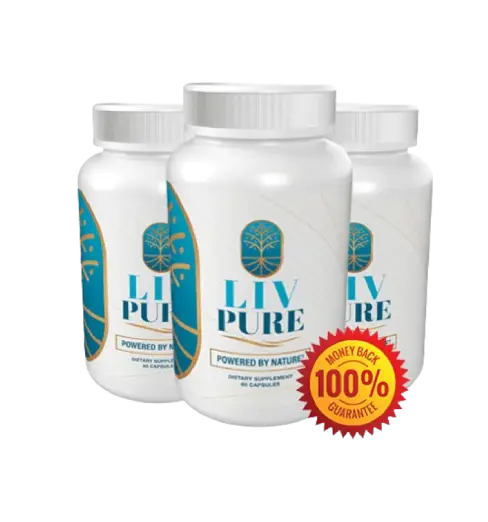
High-Intent Strategy: For comprehensive glycemic control, combining berberine with synergistic botanicals like Gymnema Sylvestre and Chromium helps manage post-meal sugar spikes from multiple angles. Explore liquid formulas like Sugar Defender or metabolic blends like Liv Pure, or browse our Blood Sugar Category.
How Berberine Works: The AMPK Enzyme Activation Pathway
Berberine operates more like a targeted metabolic compound than a standard plant nutrient. Its primary cellular mechanism centers on activating AMPK (AMP-activated protein kinase), often called the body's "metabolic master switch":
- Stimulates Cellular GLUT4 Transporters: Promotes the movement of GLUT4 glucose transporters to cell membranes, pulling sugar directly out of the bloodstream and into muscle cells.
- Suppresses Liver Gluconeogenesis: Directly signals liver cells to slow down the excess production of internal glucose from non-carbohydrate sources.
- Enhances Insulin Sensitivity: Increases insulin receptor expression, helping overcome systemic insulin resistance.
- Slower Intestinal Carbohydrate Breakdown: Inhibits alpha-glucosidase enzymes in the gut, smoothing out post-meal blood sugar spikes.
What the Human Clinical Research Actually Shows
Clinical trials over the last decade reveal consistent measurable improvements in glycemic markers:
Landmark Clinical Study (Yin et al., Metabolism)
In a 13-week study evaluating adults with newly diagnosed metabolic imbalance, participants receiving 500 mg of berberine three times daily saw fasting blood glucose drop from an average of ~190 mg/dL down to ~124 mg/dL. HbA1c levels decreased significantly from 9.0% down to 7.5%, demonstrating glycemic outcomes comparable to standard metformin therapy.
A comprehensive meta-analysis evaluating over 4,000 participants confirmed that berberine supplementation yields average HbA1c reductions of 0.5% to 1.0% alongside improvements in total cholesterol and lipid profiles.
Berberine vs. Other GlucoseModulating Botanicals
Comparing berberine against other popular metabolic ingredients highlights why it is considered a foundational option:
| Ingredient | Primary Mechanism | Impact on Fasting Blood Sugar | Standard Clinical Dosage |
|---|---|---|---|
| Berberine HCl | Activates AMPK & reduces liver gluconeogenesis | High (Direct cellular pathway activation) | 1,500 mg (split 500mg x 3) |
| Chromium Picolinate | Enhances insulin receptor binding sensitivity | Moderate (Essential trace mineral support) | 200 mcg – 1,000 mcg |
| Gymnema Sylvestre | Blocks sugar absorption in taste buds & intestines | Moderate (Craving & absorption control) | 400 mg – 600 mg |
| Alpha-Lipoic Acid (ALA) | Mitochondrial antioxidant & glucose transport enhancer | Moderate to High (Peripheral nerve focus) | 300 mg – 600 mg |
Clinical Dosage & The Bioavailability Problem (1,500mg Rule)
Standard berberine features relatively low oral bioavailability—only a fraction of what you consume enters bloodstream circulation due to gut P-glycoprotein efflux pumps. To maximize effectiveness:
- Standard Daily Target: 900 mg to 1,500 mg per day of Berberine HCl.
- Split Into Three Doses: Berberine has a short biological half-life (~4 hours). Take 500 mg three times daily approximately 10 to 15 minutes before main meals.
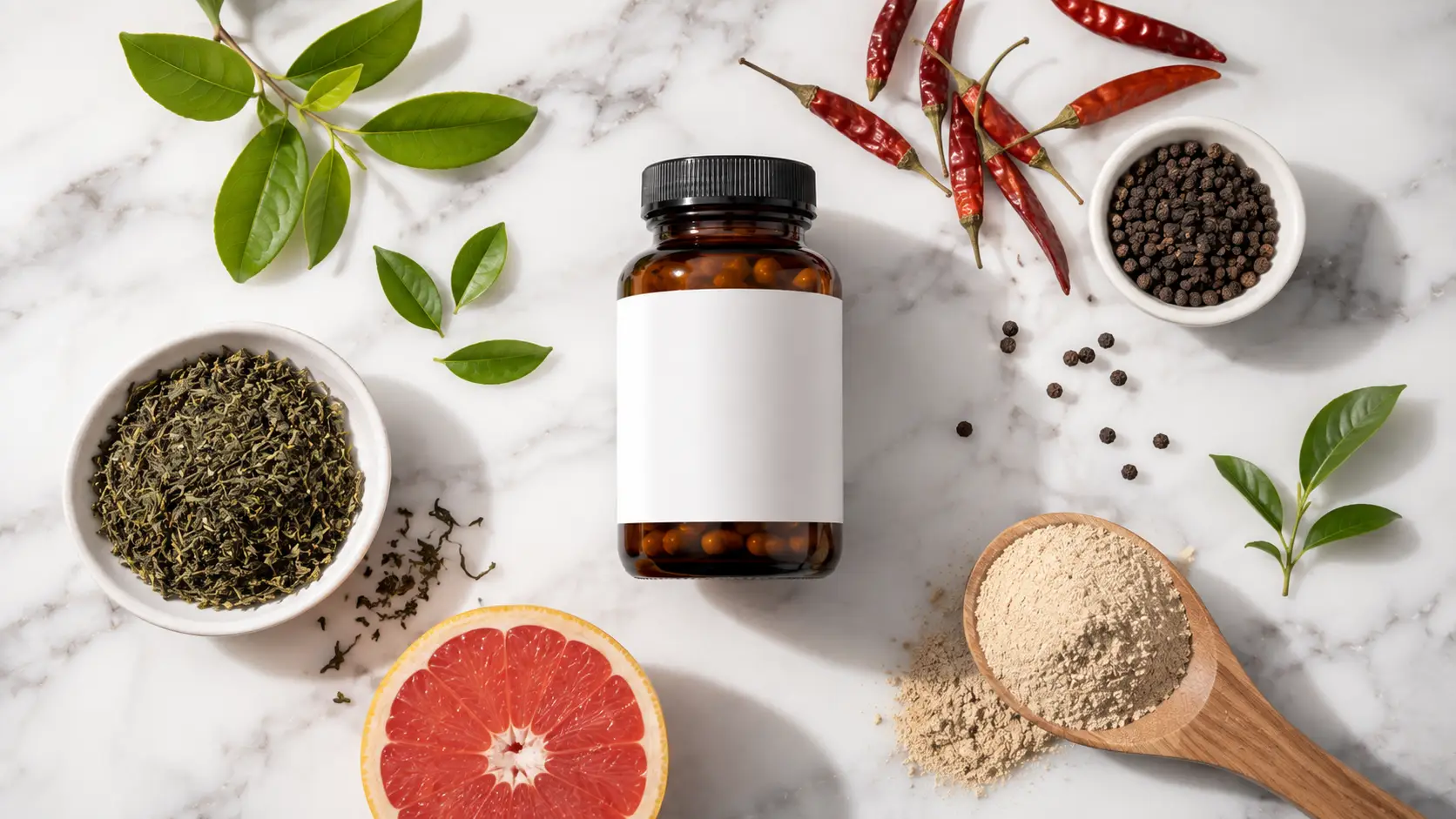
- Bioavailability Enhancers: Newer formulations pair berberine with Piperine (black pepper extract) or utilize Dihydroberberine / Phytosome delivery to boost absorption at lower doses.
Drug Interactions: The Safety Detail That Actually Matters
This is the most crucial safety section for anyone considering berberine: berberine is a potent inhibitor of cytochrome P450 liver enzymes (specifically CYP3A4, CYP2C9, and CYP2D6).
Because these enzymes clear a large percentage of prescription drugs from your body, inhibiting them can cause medication levels to rise unexpectedly in your bloodstream. If you are currently taking prescription blood sugar medications (such as metformin or insulin), blood pressure treatments, statins, or blood thinners, **consult your physician before taking berberine** to avoid unintended drug compounding or hypoglycemia.
Evaluating Berberine in Modern Supplement Formulas
Berberine is commonly included in multi-ingredient metabolic formulas designed for broad wellness support.
For example, liquid solutions like Sugar Defender blend glucose-modulating herbs with chromium to stabilize daily energy levels and curb sugar cravings. Similarly, metabolic liver formulas like Liv Pure incorporate berberine alongside milk thistle for dual-action liver and fat metabolism support. Explore options in our Blood Sugar Category.
Who Should Be Cautious & Managing GI Side Effects
- Managing GI Discomfort: About 30% of users experience initial mild cramping, gas, or loose stools as gut bacteria adjust. Starting with 500 mg once daily for 5 days before building to thrice-daily dosing eliminates discomfort for most people.
- Pregnancy & Nursing: Berberine crosses the placenta and can pass into breast milk; it should strictly be avoided by pregnant or nursing mothers.
- DSHEA Compliance: In the United States, dietary supplements are regulated under DSHEA and are not FDA-approved to treat, cure, or prevent disease.
Smart Buying Criteria Checklist
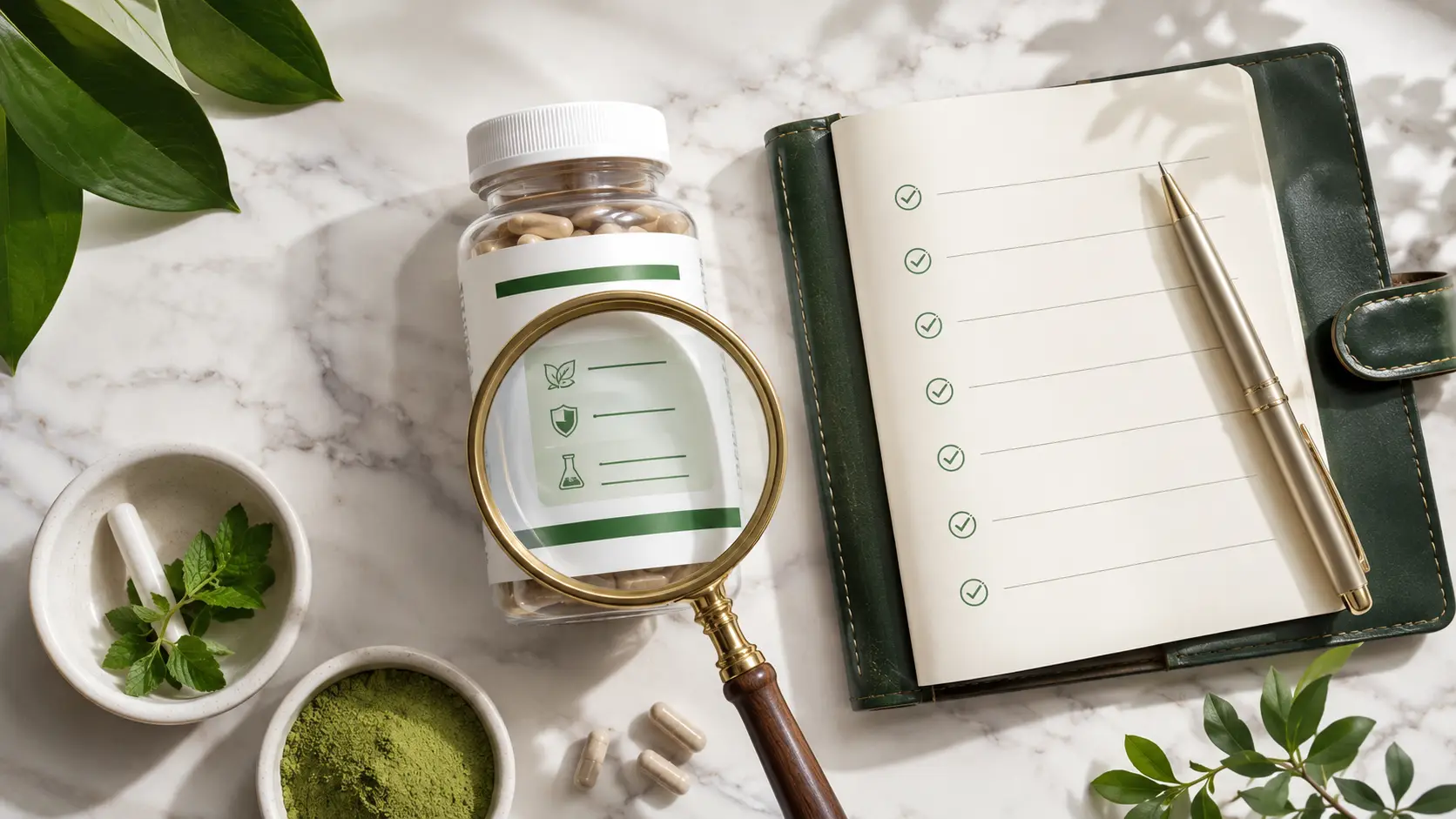
- Standardized Berberine HCl (or clearly labeled Dihydroberberine)
- Disclosed milligram dose matching the 900mg–1,500mg daily research benchmark
- Formulated with absorption enhancers (e.g., Piperine or Phytosome technology)
- Manufactured in an FDA-registered, cGMP-certified facility
- Clear label instructions warning about drug interactions
Expected Results Timeline: Weeks 1 to 12
- Weeks 1 to 2: Stabilization of post-meal blood sugar spikes and decreased afternoon carb cravings.
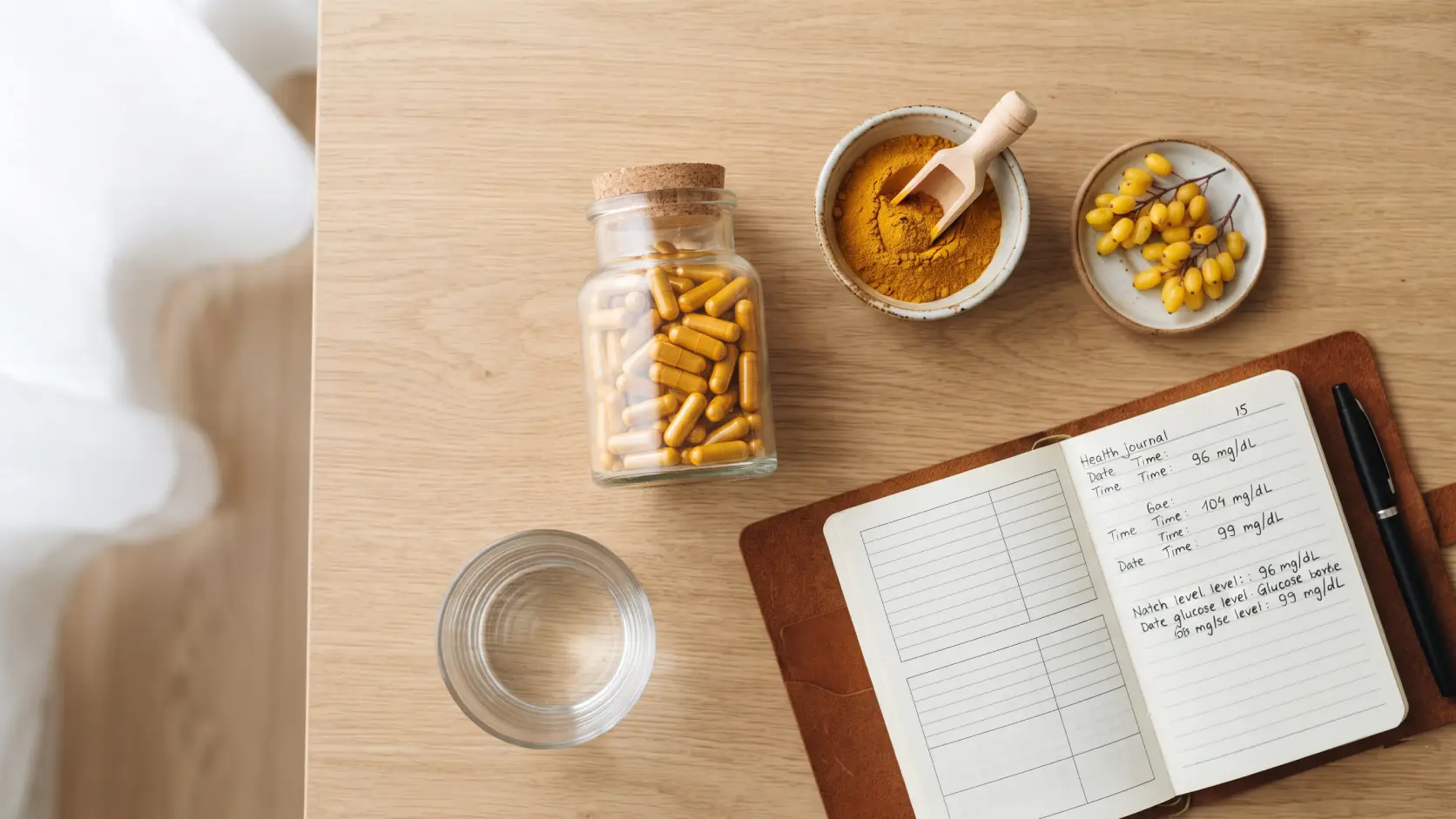
- Weeks 4 to 6: Measurable reductions in fasting blood glucose numbers when tested via home glucometer.
- Weeks 8 to 12: Full cumulative metabolic benefits, including improvements in HbA1c test markers, fasting insulin, and lipid profiles.
Frequently Asked Questions (FAQs)
Final Thoughts & Recommended Metabolic Options
Berberine possesses one of the strongest clinical evidence bases of any natural botanical for blood sugar management. By selecting standardized Berberine HCl extracts dosed at 1,500 mg daily (split across three meals) and accounting for liver enzyme interactions, you can safely support your long-term metabolic health.
Explore evaluated glucose products in our Sugar Defender Review, or browse broader options in our Blood Sugar Category.