Quick Answer: Key Takeaways on Oral Strains
"Oral probiotic" has become a popular term in dental wellness—but not every probiotic strain is studied for gum health, and individual strains are not interchangeable. Probiotic evidence is strictly strain-specific: a strain studied for gut microbiome health tells you nothing about its effect on periodontal tissues.
Even within oral-specific bacteria, some strains target gum bleeding and plaque accumulation, others focus on neutralizing volatile sulfur gases (bad breath), and others aid tooth enamel pH balance. Using oral probiotics for gum health requires understanding which strains have clinical trial backing, how they colonize oral mucosa, and how to evaluate supplement labels.
- Strongest Gum-Health Evidence: Streptococcus salivarius M18 (often labeled BLIS M18)—studied specifically for reducing gingival bleeding, plaque accumulation, and inflammatory periodontal markers.
- Strong Evidence for Gum & Breath Support: Lactobacillus reuteri—demonstrates clinical support for calming gingival inflammation and controlling bad breath.
- Targeted Breath & ENT Support: S. salivarius K12 (BLIS K12)—extensively researched for neutralizing odor compounds and supporting throat immunity, though less focused on deep periodontal pockets.
- Chewable Delivery Required: Oral probiotics must dissolve inside the mouth (lozenges or chewable tablets) to make direct contact with teeth and gums. Swallowing standard capsules bypasses the mouth entirely.
Why Strain Specificity Matters More Than the Word "Probiotic"
Probiotic benefits depend on the specific strain, not just the general genus or species. A product listing generic "Lactobacillus" without a designated strain code (such as L. reuteri or BL-04®) provides incomplete information.
For example, a trial demonstrating that a specific strain reduces plaque biofilm tells you nothing about how an unstudied strain will perform. Before purchasing, verify whether the label names exact strains studied for your specific concern—whether that is bleeding gums, plaque buildup, or bad breath.
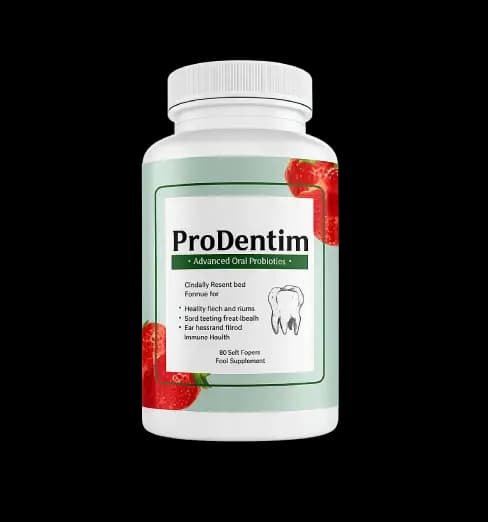
High-Intent Strategy: If you are looking for a complete dental probiotic chewable, formulas like ProDentim deliver 3.5 billion CFU of clinical strains (including L. Paracasei, B.lactis BL-04®, and L. Reuteri) paired with inulin and peppermint for active oral microbiome recolonization. Explore related microbiome options in our Digestive & Microbiome Category or learn how to choose dietary supplements safely.
How Oral Probiotics Support Gum Health Mechanistically
Your mouth harbors a distinct microbiome. Native beneficial strains support gum tissue integrity through four primary mechanisms:
- Competitive Exclusion: Probiotic strains occupy cellular binding sites along teeth and gingival margins, preventing disease-causing bacteria from colonizing.
- Bacteriocin Secretion: Certain strains produce natural peptide proteins (such as BLIS) that inhibit pathogenic oral bacteria linked to periodontal inflammation.
- Cytokine Regulation: Clinical studies on S. salivarius M18 highlight reductions in pro-inflammatory cytokines associated with gingivitis and bleeding gums.
- Enzymatic Plaque Breakdown: Specific strains secrete enzymes like dextranase, helping breakdown the sticky extracellular matrix that plaque bacteria use to cling to enamel.
Comparing the MostStudied Oral Probiotic Strains
Use this table to understand the clinical focus of top oral probiotic strains:
| Probiotic Strain | Primary Evidence Focus | Clinical Research Summary | Target Dental Benefit |
|---|---|---|---|
| S. salivarius M18 | Gum health & plaque control | Reduces gingival bleeding scores, plaque accumulation, and inflammatory cytokines in randomized trials | Periodontal pocket health & reduced bleeding |
| Lactobacillus reuteri | Gum inflammation & bad breath | Strong clinical evidence for calming gingivitis symptoms, lowering plaque scores, and controlling halitosis | Gingivitis relief & fresh breath |
| S. salivarius K12 | Breath freshness & upper ENT | Well-researched for neutralizing volatile sulfur compounds (VSCs) and supporting immune defense in oral cavity | Long-lasting breath support & throat care |
| L. paracasei & B. lactis BL-04® | Oral immune & sinus support | Supports mucosal immune balance, reduces sinus congestion triggers, and maintains bacterial diversity | Overall oral microbiome protection |
What a Real GumHealth Trial Looks Like
To understand what genuine clinical evidence means in oral microbiology, consider a randomized trial evaluating S. salivarius M18:
Human Trial Benchmark (M18 Periodontal Study)
Adults diagnosed with moderate gingivitis and periodontitis were given a daily S. salivarius M18 lozenge for 30 days following an initial professional dental cleaning. Compared to the control group, patients using M18 showed statistically significant reductions in plaque index scores, bleeding on probing, and periodontal pocket depth. Measurements taken 30 days after stopping treatment confirmed that probiotic colonization provided ongoing anti-inflammatory protection.
Oral Probiotics vs. Gut Capsules: Delivery Differences
Standard gut probiotic capsules are encapsulated in acid-resistant shells designed to survive stomach acid and dissolve in the intestines. Swallowing a capsule bypasses your oral cavity entirely, offering no direct benefit for gum tissues.
In contrast, oral probiotics are formulated as lozenges, chewables, or dissolvable powders. As they melt slowly over 2 to 3 minutes, beneficial strains physically coat your tongue, gums, and teeth, allowing immediate tissue adherence.
What to Check on the Supplement Label Before Buying
- Named Strain Identifiers: Ensure the label specifies exact strain codes (e.g., S. salivarius M18 or B. lactis BL-04®) rather than a generic "probiotic blend."
- Guaranteed CFU Count: Confirm the label guarantees active Colony Forming Units (CFUs) through the expiration date, not just at the time of manufacture.
- Format & Dissolution Type: Select chewable tablets or lozenges designed to dwell in the mouth.
- Sugar-Free Formulations: Avoid products containing sucrose or glucose, which feed plaque bacteria. Look for formulas sweetened with xylitol or erythritol.
Safety Profile and Usage Guidelines
Oral probiotics demonstrate an exceptional safety record. Strains like S. salivarius K12 hold GRAS (Generally Recognized as Safe) status in the United States. However, note the following guidelines:
- Optimal Nightly Timing: Take your oral probiotic lozenge after brushing and flossing at night, just before sleep. This allows strains to colonize oral tissues overnight without being washed away by food or drinks.
- Avoid Mouthwash After Intake: Do not use antibacterial mouthwashes immediately after dissolving a probiotic lozenge, as antiseptics kill beneficial strains.
- Medical Precautions: Individuals who are severely immunocompromised or have central venous catheters should consult their physician before using live bacterial supplements. In the United States, dietary supplements are regulated under DSHEA and are not FDA-approved to treat, cure, or prevent disease.
Smart Buying Criteria Checklist
- Named clinical strains matched to your specific goal (M18 for gums, K12 for breath)
- Guaranteed CFU count through product shelf life
- Chewable or lozenge delivery format
- Free from added sugars and artificial colors
- Manufactured in a cGMP-certified facility
Expected Results Timeline for Gums & Breath
- Days 1 to 3: Noticeable improvement in morning breath freshness and reduced dry-mouth sensation.
- Weeks 2 to 3: Reduction in plaque biofilm accumulation along the gumline and less gum sensitivity during flossing.
- Weeks 4 to 8: Improved gum tissue firmness, reduced bleeding on probing, and sustained oral microbiome balance.
Frequently Asked Questions (FAQs)
Final Thoughts & Recommended Dental Solutions
Not every oral probiotic formula targets the same dental outcome. If bleeding gums or plaque buildup are your primary concerns, look for products containing S. salivarius M18 or L. reuteri. For persistent bad breath, strains K12 and M18 offer proven support.
Explore evaluated dental care formulas in our ProDentim Review, or browse broader health options in our Teeth & Gums Category.