Alpha Lipoic Acid (ALA)
Alpha-lipoic acid
Alpha lipoic acid is an antioxidant compound used in supplements for cellular energy, glucose-metabolism research, nerve-health education, and antioxidant support.
What Is Alpha Lipoic Acid (ALA)?
A practical, safety-aware guide to alpha lipoic acid and how it appears in supplement labels.
Alpha lipoic acid, often abbreviated as ALA, is a sulfur-containing compound involved in mitochondrial energy metabolism. The body makes small amounts of it, and small quantities occur in foods such as spinach, broccoli, potatoes, and organ meats. Supplement products use much higher serving amounts than food sources, so the ingredient should be evaluated as a concentrated supplement rather than simply a dietary nutrient.
In wellness education, alpha lipoic acid is most often discussed for antioxidant activity, cellular energy pathways, glucose-metabolism research, and nerve-health support routines. It is sometimes called a universal antioxidant because it can interact with both water- and fat-soluble environments, but that phrase should not be interpreted as a promise of broad medical benefit. The responsible way to understand ALA is to look at its role in redox balance, mitochondrial enzyme systems, and how it appears in metabolic support formulas.
ALA is also easy to confuse with alpha-linolenic acid, the plant-based omega-3 fatty acid that shares the same abbreviation. Supplement labels should make the identity clear. A product labeled alpha lipoic acid is not an omega-3 oil, and it should be compared by serving size, form, timing directions, and safety cautions. Some formulas use standard ALA, while others highlight R-lipoic acid or stabilized forms.
Because ALA may influence blood sugar-related monitoring in some people, shoppers using diabetes medication, thyroid medication, chemotherapy, or complex medical routines should not treat it casually. Digestive upset, headache, dizziness, or changes in glucose readings are possible. Suppriva presents ALA as an educational ingredient so readers can compare labels, ask better questions, and avoid exaggerated claims. It is not a substitute for diagnosis, prescribed medication, or personal medical care.
When comparing ALA supplements, review the dose per serving, whether it is taken with food, whether it is stacked with berberine, chromium, cinnamon, or other metabolic ingredients, and whether the label includes clear warnings. The best products set realistic expectations and make the ingredient identity easy to understand.
For readers comparing blood sugar and nerve-health supplements, ALA is useful as a case study in context. A formula may include it because of antioxidant positioning, metabolic research, or nerve-comfort education, but those categories should not be blended into a single promise. A person managing glucose levels, neuropathy symptoms, thyroid medication, or alcohol-related health concerns needs individualized guidance rather than a label claim. This is especially true because supplement servings can be much higher than food exposure.
A practical ALA review should also look at timing and tolerance. Some labels suggest taking it with meals to reduce stomach upset, while others position it away from meals. Some shoppers compare standard alpha lipoic acid with R-lipoic acid, but the most important first step is confirming that the product is transparent, third-party quality cues are present, and the formula does not hide key actives in a proprietary blend. If ALA is stacked with berberine, cinnamon, chromium, or other glucose-focused ingredients, medication review becomes even more important.
This makes ALA most useful as an ingredient literacy topic: it teaches readers to separate antioxidant terminology from real-world safety decisions. The safest comparison looks at form, dose, timing, glucose monitoring, medication overlap, and whether the label gives clear cautions for thyroid, diabetes, and treatment-related situations.
How Alpha Lipoic Acid (ALA) Works
How alpha lipoic acid is commonly discussed in supplement education and label comparison.
Mitochondrial and Antioxidant Context
Alpha Lipoic Acid (ALA) is best evaluated by identity, dose, form, supporting ingredients, and safety context rather than broad marketing claims.
Alpha lipoic acid participates in enzyme systems involved in converting nutrients into usable cellular energy. It is also researched for antioxidant recycling and redox balance, which is why it appears in formulas positioned around metabolic health, nerve-health education, and antioxidant support. ALA does not act like a stimulant and should not be expected to create an immediate feeling. Its relevance is more about consistent label-directed use within a broader health routine.
For supplement comparison, the important details are form, dose, timing, and ingredient overlap. Products that combine ALA with berberine, chromium, cinnamon, or gymnema may create stronger metabolic positioning, but they also require more attention to medication interactions and blood sugar monitoring. Responsible ALA education should keep the focus on realistic support, not disease treatment claims.
Ingredient Insight
Alpha lipoic acid and alpha-linolenic acid both use the abbreviation ALA, but they are completely different ingredients: one is an antioxidant compound, and the other is a plant omega-3 fatty acid.
Potential Benefits of Alpha Lipoic Acid (ALA)
Educational benefits commonly associated with alpha lipoic acid in supplement routines.
Cellular Energy Context
ALA is involved in mitochondrial enzyme systems that help explain its role in cellular energy education.
Antioxidant Support
It is commonly discussed for antioxidant balance and redox-related supplement research.
Glucose-Metabolism Research
ALA often appears in blood sugar and metabolic wellness formulas where dose and medication context matter.
Nerve-Health Education
It is frequently researched in nerve-health discussions, especially where oxidative stress and metabolism overlap.
Label Comparison
ALA products can be compared by form, serving size, timing directions, and stacked ingredients.
Stack Awareness
It helps shoppers identify overlap with chromium, berberine, cinnamon, and other metabolic ingredients.
Common Uses
How Alpha Lipoic Acid (ALA) is usually positioned in supplement routines.
Alpha Lipoic Acid (ALA) is commonly used in products connected to blood sugar, nerve health, and antioxidant-support education. Use context should be evaluated by label directions, formula design, and personal health status.
Supplement Education
Alpha Lipoic Acid (ALA) helps readers compare ingredient identity, dose, form, and safety context.
Label Comparison
Products containing Alpha Lipoic Acid (ALA) can vary by serving size, supporting ingredients, and claim quality.
Alpha Lipoic Acid (ALA) Food Sources
Food-source context helps separate dietary exposure from concentrated supplement use.
Small amounts of alpha lipoic acid occur in foods such as spinach, broccoli, potatoes, tomatoes, Brussels sprouts, and organ meats, but supplement servings are much more concentrated than typical dietary intake.
Dietary Context
Small amounts of alpha lipoic acid occur in foods such as spinach, broccoli, potatoes, tomatoes, Brussels sprouts, and organ meats, but supplement servings are much more concentrated than typical dietary intake.
Typical Alpha Lipoic Acid (ALA) Dosage
Serving size depends on product form, concentration, label directions, and personal context.
Many supplement labels provide 100 mg to 600 mg per day, depending on product purpose and professional guidance. The right comparison is not just the milligram amount. Review ingredient form, standardization, serving frequency, timing instructions, and whether the product combines multiple ingredients with similar goals.
Start with the label directions for the specific product and avoid stacking several formulas without reviewing total intake. People with medical conditions, medication use, pregnancy, or nursing should ask a qualified healthcare professional before using supplements.
Alpha Lipoic Acid (ALA) Safety Information
ALA may affect blood sugar monitoring and can cause digestive effects, so medication users should review it with a healthcare professional.
Side Effects
- Nausea, stomach discomfort, reflux, or loose stools may occur, especially at higher servings.
- People monitoring glucose should be cautious because ALA may affect blood sugar-related routines.
- Some users report headache, lightheadedness, or general sensitivity.
- ALA should be reviewed with a clinician when medications or complex conditions are involved.
Drug Interactions
- Diabetes medications or glucose-lowering routines should be reviewed because ALA may affect blood sugar monitoring.
- Thyroid medications may require timing and monitoring guidance from a healthcare professional.
- Chemotherapy, radiation, or serious medical treatment should not be combined with high-dose antioxidant supplements without clinician approval.
- Alcohol use, liver concerns, or nutrient deficiencies should be discussed before using higher-dose ALA.
Who Should Avoid
- People taking diabetes medication unless blood sugar monitoring and clinician guidance are in place.
- People using thyroid medication unless timing and monitoring are reviewed.
- Pregnant or nursing individuals unless advised by a healthcare professional.
- People undergoing cancer treatment unless cleared by their care team.
- Children unless directed by a qualified healthcare provider.
Alpha Lipoic Acid (ALA) Research Context
A concise research-literacy note for supplement shoppers.
Alpha Lipoic Acid (ALA) is discussed in wellness research and supplement education, but study designs, ingredient forms, serving sizes, and populations vary. Readers should avoid assuming that every product on the market reflects the same evidence base.
Suppriva summarizes ingredients for education and comparison. This content is not medical advice and should not be used to diagnose, treat, cure, or prevent disease.
Evidence Context
Research should be interpreted by form, dose, study population, and whether outcomes match the supplement claim.
Alpha Lipoic Acid (ALA) FAQs
Common questions about alpha lipoic acid, dosage, safety, and supplement label comparison.
Alpha Lipoic Acid (ALA) is an ingredient reviewed in Suppriva's library for cellular energy, antioxidant balance, glucose-metabolism research, and nerve-health education.
Alpha Lipoic Acid (ALA) is commonly discussed in supplement education for cellular energy, antioxidant balance, glucose-metabolism research, and nerve-health education. Its relevance depends on dose, quality, form, safety context, and the overall routine.
Found In Products
Published Suppriva products connected through the existing ingredient relationship table.
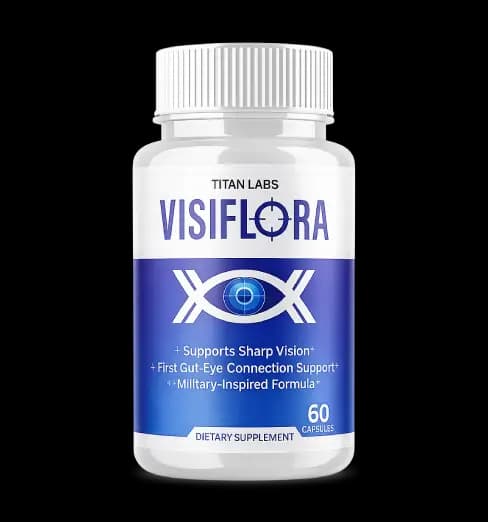
VisiFlora
VisiFlora is a daily capsule blending astaxanthin, lutein, and zeaxanthin to support eye health, vision clarity, and gut-eye balance.
View product

Related Blogs
Editorial resources automatically matched by ingredient, category, and wellness topic language.

Berberine for Blood Sugar Support: Benefits, Dosage, and Safety
Often dubbed "nature's metabolic switch," Berberine activates AMPK enzymes to pull glucose out of your bloodstream and into cellular mitochondria. Explore human clinical trial data, optimal 500mg thrice-daily dosing protocols, and how to manage GI side effects safely.
Read articleCompare Alternatives
Similar ingredients surfaced automatically from matching wellness categories and ingredient language.
Banaba Leaf Extract
Lagerstroemia speciosa
Banaba leaf extract is a botanical ingredient used in blood sugar, glucose metabolism, and metabolic wellness supplement education.
Read MoreExplore By Health Needs
Browse live wellness categories connected to broader supplement goals.