Chaga Mushroom Extract
Inonotus obliquus
Chaga Mushroom Extract is a functional mushroom ingredient used for antioxidant support, immune-season wellness, and mushroom blend formulas.
What Is Chaga Mushroom Extract?
A dark functional mushroom extract known for antioxidant compounds and traditional wellness use.
Chaga Mushroom Extract comes from Inonotus obliquus, a fungus that grows primarily on birch trees in cold northern climates. It has a dark, charcoal-like exterior and has been used traditionally in teas and decoctions. Modern supplements usually provide chaga as a powder, capsule, or extract, often as part of a functional mushroom blend with reishi, turkey tail, shiitake, maitake, cordyceps, or lion's mane.
Chaga is most often discussed for antioxidant support. It contains polyphenols and other compounds that contribute to its dark color and wellness reputation. Some products also highlight beta-glucans or polysaccharides, although the exact composition depends heavily on sourcing, extraction method, and whether the product uses fruiting body, mycelium, or a blend. Consumers should read labels carefully because mushroom products vary widely.
Chaga is not a stimulant, vitamin, mineral, or probiotic. It is a functional mushroom ingredient, which means it is usually included for broad wellness positioning rather than a single nutrient target. It may appear in daily wellness powders, immune-season blends, coffee alternatives, antioxidant products, and adaptogen-style formulas. Its earthy flavor also makes it popular in drink mixes.
Safety deserves special attention. Chaga may be high in oxalates, which is relevant for people with kidney disease, kidney stone history, or oxalate-sensitive conditions. It may also interact with blood thinners, diabetes medication, immune-suppressing drugs, or medication that affects bleeding or blood sugar. People with autoimmune conditions should ask a clinician before using mushroom extracts.
Because functional mushroom marketing can be exaggerated, chaga should be described carefully. It should not be presented as a cancer treatment, immune cure, detox product, or replacement for medical care. Its responsible role is antioxidant and general wellness support, with clear attention to sourcing and safety.
Chaga pairs naturally with other mushroom ingredients, but stacking many mushroom extracts can make it harder to identify tolerance issues. Users should start with label directions and avoid combining multiple products that contain chaga. Anyone with chronic illness, medication use, kidney concerns, or upcoming surgery should seek professional guidance.
For Suppriva readers, Chaga Mushroom Extract is a useful ingredient to compare within the functional mushroom category. The most important decision points are extract quality, part used, beta-glucan or polysaccharide disclosure, oxalate caution, and medication context. A good product should be transparent and avoid overpromising.
Chaga also raises an important sourcing question. Wild-harvested mushroom ingredients can vary by region, host tree, harvesting method, and testing standards. Consumers should favor brands that test for heavy metals, microbial contamination, and identity, especially when the ingredient is used daily in powders or beverages.
Another practical point is that mushroom blends can overlap. A person may take a mushroom coffee in the morning and a separate immune blend later in the day without realizing both contain chaga. Reviewing all supplement labels together helps prevent accidental stacking and makes it easier to identify which ingredient is helping or causing side effects.
A cautious approach is especially important because antioxidant-focused ingredients are often used long term, making quality testing and personal health context more important than trend appeal.
How Chaga Mushroom Extract Works
Chaga is used for antioxidant support and broad functional mushroom wellness positioning.
Antioxidant Mushroom Profile
Chaga's dark pigments and polyphenol content are central to its antioxidant-support reputation.
Chaga works as a functional mushroom ingredient by contributing compounds such as polyphenols, polysaccharides, and other mushroom-associated constituents. These compounds are used to explain its antioxidant and daily wellness positioning.
Extraction method matters. Hot water extracts, dual extracts, powders, fruiting body products, and mycelium products can differ. A label that clearly explains extract type and standardization is easier to evaluate than one that only lists a proprietary mushroom blend.
Chaga should be used with safety context. Its oxalate content and possible medication interactions mean that it is not the right mushroom for every person.
Birch-Associated Mushroom
Chaga commonly grows on birch trees in colder climates, and its hard dark exterior is very different from the familiar cap-and-stem mushrooms many people imagine.
Potential Benefits of Chaga Mushroom Extract
Common wellness reasons Chaga Mushroom Extract appears in functional mushroom products.
Antioxidant Support
Provides mushroom-associated antioxidant compounds used in daily wellness formulas.
Immune-Season Formula Fit
Often included in mushroom blends positioned for seasonal wellness support.
Beverage Blend Friendly
Common in mushroom coffees, teas, and earthy wellness drink mixes.
Functional Mushroom Category
Pairs with reishi, turkey tail, shiitake, and other mushroom extracts.
Extraction Quality Matters
Encourages consumers to compare fruiting body, mycelium, and extract methods.
Important Safety Cautions
Oxalate and medication considerations make label transparency especially important.
Chaga Mushroom Extract Uses
Chaga is most often used in functional mushroom and antioxidant-support products.
Chaga Mushroom Extract appears in mushroom coffees, daily wellness powders, immune-season blends, antioxidant products, and functional mushroom capsules.
Chaga Mushroom Extract Food Sources
Chaga is usually consumed as tea, powder, or extract rather than a typical food.
Chaga may be brewed as tea or included in mushroom beverage mixes. Supplement extracts are more concentrated than traditional tea preparations and require more careful safety review.
Chaga Mushroom Extract Dosage
Dosage depends on extract type, mushroom part, and the complete product formula.
Chaga dosage depends on whether the product is a powder, hot water extract, dual extract, or part of a mushroom blend. Milligrams alone do not fully describe quality. Look for information about beta-glucans, polysaccharides, extract ratio, and whether the product uses fruiting body or mycelium.
People with kidney disease, kidney stone history, diabetes medication, blood thinners, immune-suppressing drugs, or upcoming surgery should ask a healthcare professional before using chaga. Do not combine multiple chaga products unless directed.
Chaga Mushroom Extract Safety Information
Chaga has important cautions for kidney health, oxalates, blood sugar, bleeding risk, and immune-related medication.
Side Effects
- Digestive upset, nausea, or changes in bowel habits may occur.
- Allergic reactions are possible in people sensitive to mushrooms.
- High oxalate exposure may be a concern for kidney-sensitive individuals.
- Stacking multiple mushroom products may increase tolerance issues.
Chaga Mushroom Extract Research Notes
Chaga research focuses on antioxidant compounds, polysaccharides, and safety considerations.
Chaga research includes laboratory and early wellness interest, but human evidence is still developing. Oxalate content and medication interactions are important practical considerations.
Chaga Mushroom Extract FAQ
Common questions about Chaga Mushroom Extract, supplement use, and safety considerations.
Chaga Mushroom Extract is a supplement ingredient from Inonotus obliquus, a fungus commonly found on birch trees.
It is commonly used for antioxidant support, functional mushroom blends, and daily wellness products.
Found In Products
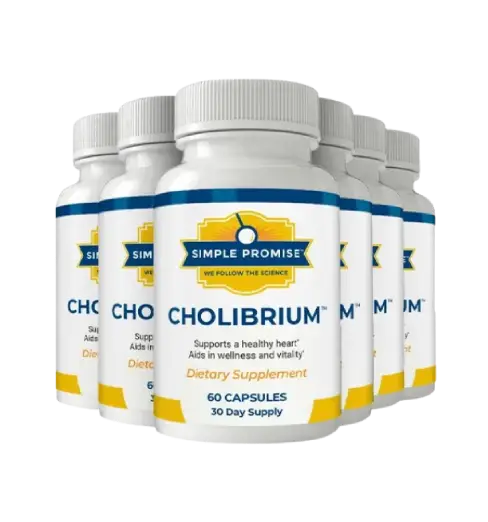
Published Suppriva products connected through the existing ingredient relationship table.
Related Blogs
Editorial resources automatically matched by ingredient, category, and wellness topic language.
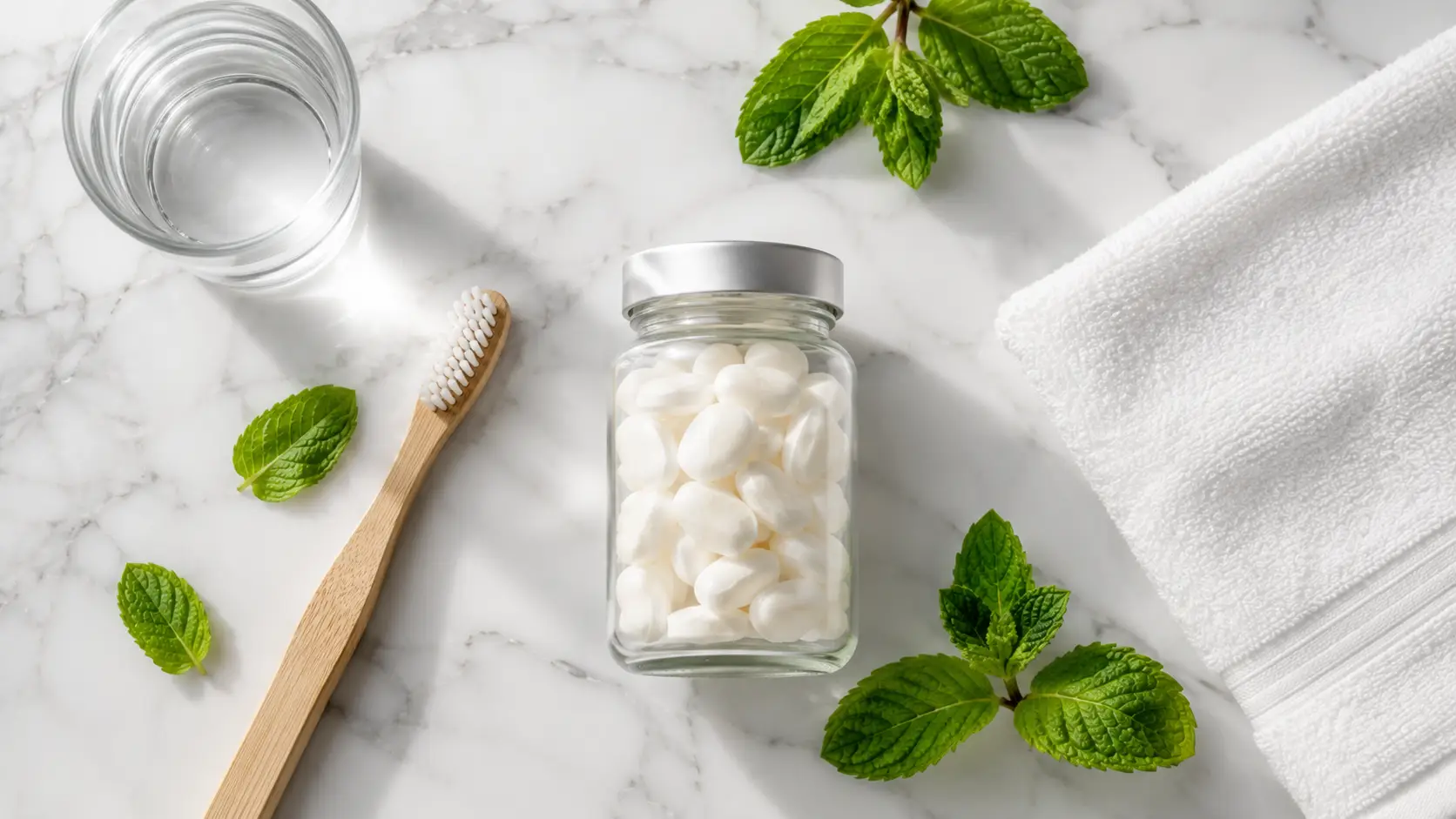
Oral Probiotics for Gum Health: How They Work and What to Look For
Brushing and harsh antibacterial mouthwashes strip away the good bacteria your mouth needs to defend against plaque and gingivitis. Examine how targeted oral probiotics restore your dental microbiome, protect sensitive gums, and eliminate bad breath.
Read articleCompare Alternatives
Similar ingredients surfaced automatically from matching wellness categories and ingredient language.
Astragalus Root
Astragalus membranaceus
Astragalus root is a traditional botanical used in immune-support, vitality, and adaptogen-style supplement education.
Read MoreQuercetin
3,3',4',5,7-pentahydroxyflavone
Quercetin is a plant flavonoid found in foods like onions and apples, used in supplements for antioxidant, immune-support, and seasonal wellness positioning.
Read MoreVitamin D3
Cholecalciferol
Vitamin D3 is a fat-soluble vitamin used in immune, bone, muscle, mood, and general wellness supplement formulas.
Read MoreZinc (as Zinc Picolinate)
Zinc picolinate
Zinc picolinate is a supplemental zinc form used in immune, skin, reproductive, prostate, and daily mineral formulas.
Read MoreExplore By Health Needs
Browse live wellness categories connected to broader supplement goals.