Green Tea Extract (EGCG)
Camellia sinensis leaf extract standardized for EGCG
Green Tea Extract is a Camellia sinensis leaf extract used in supplement education for EGCG, antioxidant support, metabolism formulas, and liver-safety awareness.
Green Tea Extract (EGCG) Overview
A practical guide to EGCG, caffeine context, antioxidant claims, and safety.
Green Tea Extract is a concentrated extract from Camellia sinensis leaves. It is often standardized for catechins, especially epigallocatechin gallate, commonly shortened to EGCG. Unlike a cup of brewed green tea, supplements can deliver much higher catechin amounts, so label dose and safety context matter.
The ingredient is commonly positioned around antioxidant support, metabolism, weight-management routines, and energy formulas. Some products also include caffeine, while others are decaffeinated. This difference can strongly change how a product feels and who should avoid it.
Research on green tea extract and EGCG includes antioxidant markers, fat-oxidation discussions, metabolic outcomes, and cardiovascular markers. Results are mixed, and green tea extract should not be treated as a guaranteed weight-loss ingredient or a replacement for nutrition, movement, sleep, or medical care.
Safety deserves special attention because concentrated green tea extracts have been associated with rare but serious liver concerns, particularly at high doses, when taken fasting, or in sensitive individuals. Responsible labels should identify EGCG amount, caffeine content, directions, and warnings.
A complete Green Tea Extract (EGCG) review should go beyond the headline benefit. The same ingredient can appear in very different formulas depending on extract strength, active markers, serving size, companion ingredients, and the audience the product is designed for. Suppriva treats ingredient pages as decision-support resources, not as simple claim lists.
Readers should also separate general wellness support from medical treatment language. Green Tea Extract (EGCG) may have a useful role in supplement education, but it should not be used to diagnose, treat, cure, or prevent disease. People with medical conditions, pregnancy, nursing, medication routines, or unusual symptoms should use this information to ask better questions, not to replace professional guidance.
For practical comparison, review the ingredient form, amount per serving, standardization details, safety warnings, and whether the claims match the evidence. This keeps expectations realistic and helps shoppers compare Green Tea Extract (EGCG) with related ingredients in a more responsible way.
The finished product also matters because Green Tea Extract (EGCG) may be combined with caffeine, minerals, amino acids, fibers, probiotics, botanicals, or other extracts that change the overall safety profile. A single-ingredient study does not automatically apply to a multi-ingredient supplement. Shoppers should check the Supplement Facts panel, serving instructions, allergen notes, and any warnings about medications, surgery, pregnancy, nursing, liver health, blood pressure, blood sugar, or stimulant sensitivity.
Suppriva's ingredient profiles are designed for educational comparison. They explain what the ingredient is, why brands use it, what evidence themes exist, and which cautions deserve attention before buying. The best choice is usually not the product with the loudest claim, but the one with transparent dosing, realistic language, clear safety directions, and a formula that matches the user's personal wellness goal.
When reviewing Green Tea Extract (EGCG), it is also helpful to compare it with adjacent ingredients in the same health category. Similar ingredients can share marketing language while differing in mechanism, dose range, strength of evidence, and medication cautions. This comparison-first approach helps readers decide whether Green Tea Extract (EGCG) is central to a formula or simply one part of a broader wellness blend.
This is especially important for users who already take supplements, track symptoms, or manage a condition with professional support.
Conservative label review keeps the ingredient useful without overstating what a supplement can do.
How Green Tea Extract (EGCG) Works
How catechins and caffeine shape green tea supplement claims.
EGCG standardization matters
Green tea extract should be compared by EGCG amount, caffeine content, serving size, and liver-safety cautions.
Green tea extract is discussed through catechin antioxidant activity, thermogenic pathways, and caffeine-related energy effects when caffeine is present.
EGCG may influence cellular signaling and oxidative-stress markers, while caffeine can affect alertness and perceived energy. These mechanisms do not guarantee body-composition results.
The most useful review includes EGCG dose, caffeine amount, stimulant stacking, liver warnings, and whether the formula makes realistic claims.
Ingredient Insight
A brewed cup of green tea and a high-potency EGCG capsule can differ dramatically in catechin exposure, which is why supplement labels deserve closer review.
Potential Green Tea Extract (EGCG) Benefits
Educational benefits associated with green tea extract in supplement formulas.
EGCG Label Awareness
Helps shoppers compare catechin standardization and extract strength.
Antioxidant Context
Explains why green tea appears in antioxidant-support formulas.
Metabolism Claim Review
Supports cautious interpretation of weight-management language.
Caffeine Exposure Check
Encourages review of stimulant content and timing.
Liver Safety Awareness
Highlights why high-dose extracts need responsible use.
Formula Stack Comparison
Useful when comparing green tea with chromium, caffeine, or cayenne blends.
Green Tea Extract (EGCG) Uses
Common supplement-use contexts for Green Tea Extract (EGCG).
Green tea extract may appear in antioxidant, energy, and weight-management products, especially where labels emphasize EGCG or caffeine.
Antioxidant Support
Used in catechin-focused wellness formulas.
Metabolism Context
Appears in weight-management products.
Energy Formulas
Relevant when caffeine is present.
EGCG Label Review
Useful for comparing standardized extracts.
Green Tea Extract (EGCG) Food Sources
Green tea extract comes from tea leaves, but concentrated supplements are not the same as brewed tea.
Brewed green tea provides catechins and caffeine in a food-like beverage context. Supplements concentrate these compounds and may deliver much higher EGCG amounts.
Matcha, brewed green tea, and capsules should be compared separately because serving size and catechin exposure differ.
Brewed Green Tea
Provides catechins and caffeine in beverage form.
Matcha
Powdered green tea with a different whole-leaf profile.
Standardized Extract
Concentrated supplement form often listing EGCG.
Typical Green Tea Extract (EGCG) Dosage
Serving size depends on EGCG standardization and caffeine content.
Green tea extract dosage should be based on the finished product label, not just the extract name. EGCG amount, caffeine content, and whether the product is taken with food all matter.
High-dose EGCG products should be used cautiously, and users should avoid combining multiple green tea or fat-burner formulas unless a clinician confirms it is appropriate.
Stop use and seek medical care for symptoms such as dark urine, yellowing skin or eyes, unusual fatigue, or persistent abdominal pain.
Green Tea Extract (EGCG) Safety Information
Review liver warnings, caffeine sensitivity, medication use, pregnancy, and stimulant stacking.
Side Effects
- Caffeine-containing extracts may cause nervousness, palpitations, or restlessness.
- Late-day use may interfere with sleep.
- Rare liver concerns have been reported with concentrated green tea extracts.
- Nausea or stomach discomfort may occur, especially when taken fasting.
Green Tea Extract (EGCG) Research Notes
A balanced interpretation of available supplement research.
Green tea extract research includes antioxidant markers, metabolic outcomes, caffeine effects, and body-weight measures. Results vary by dose, EGCG level, caffeine content, and study design.
Safety review should include liver concerns, stimulant exposure, fasting use, blood thinners, pregnancy, nursing, and medication context.
Evidence Depends on Form
Research should be interpreted by extract form, dose, active markers, population, and study duration.
Label Context Matters
Claims should be checked against serving size, standardization, medication cautions, and the complete formula.
Green Tea Extract (EGCG) References
References should be reviewed by ingredient form and health context.
NIH Office of Dietary Supplements
Memorial Sloan Kettering herb and supplement database
PubMed biomedical literature
Green Tea Extract (EGCG) FAQ
Common questions about Green Tea Extract (EGCG), supplement labels, and safety.
Green Tea Extract is a concentrated Camellia sinensis leaf extract often standardized for EGCG catechins.
It is used in antioxidant, metabolism, weight-management, and energy-support supplement formulas.
Found In Products
Published Suppriva products connected through the existing ingredient relationship table.
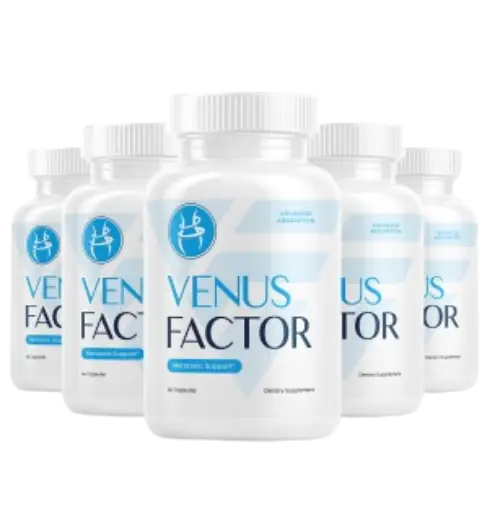
Venus Factor
Venus Factor is a daily capsule marketed with Genistein, Green Tea, and Turmeric for women's metabolism and energy support.
View product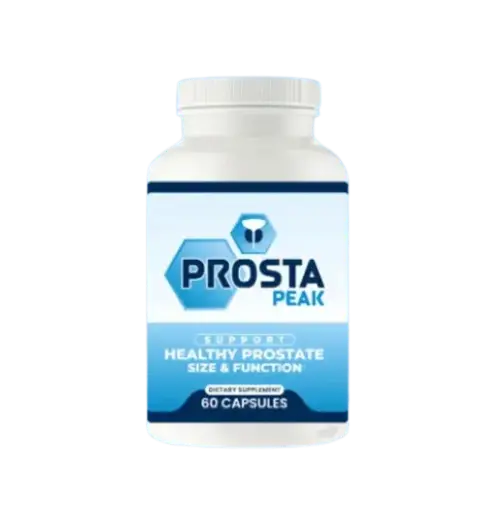
Prosta Peak
Prosta Peak is a daily capsule with Saw Palmetto, Pygeum, and Green Tea supporting prostate health and urinary function.
View product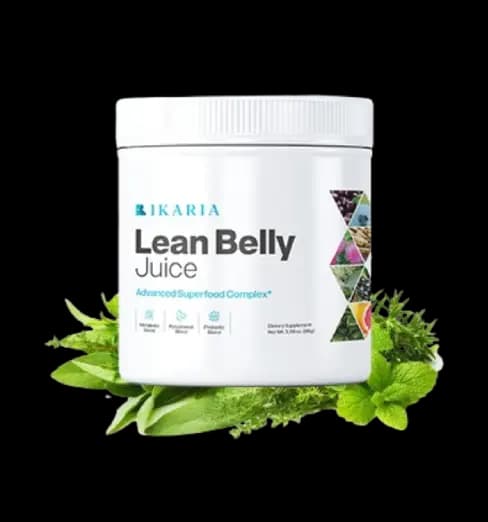
Ikaria Lean Belly Juice
Ikaria Lean Belly Juice is a daily powder with Fucoxanthin, EGCG, and Milk Thistle supporting metabolism and fat loss.
View product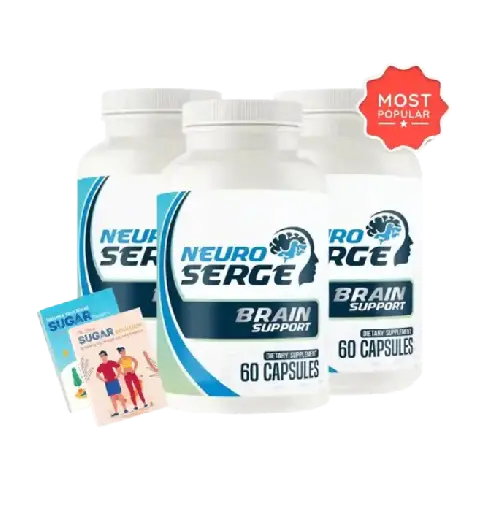
Neuro Serge
Neuro Serge is a daily brain health supplement formulated with 20+ botanical ingredients to support memory, focus, mental clarity, and cognitive wellness.
View product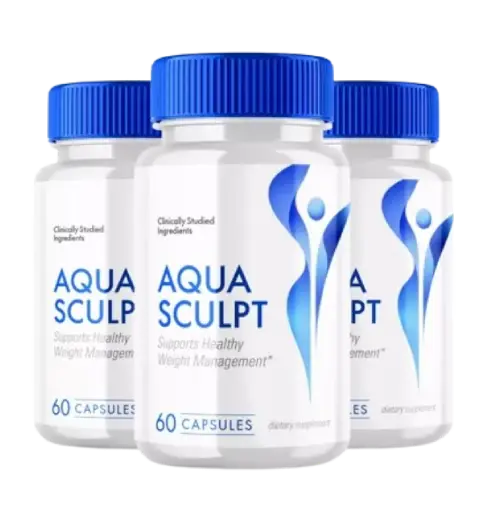
AquaSculpt
AquaSculpt is a daily capsule with Green Tea Extract, L-Carnitine, and Berberine supporting metabolism and fat-burning.
View product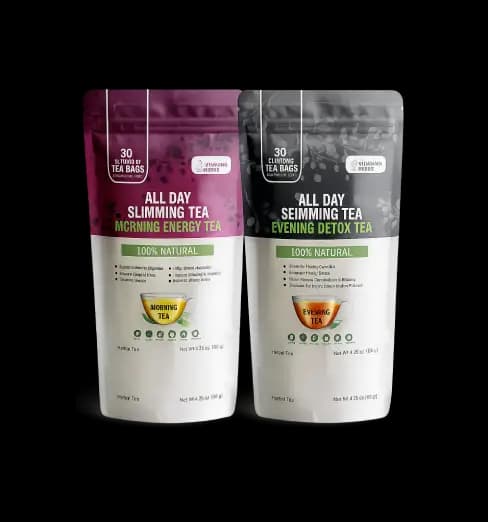
All Day Slimming Tea
All Day Slimming Tea is a natural morning and evening tea system supporting healthy weight loss, metabolism, digestion, and restful sleep.
View product
Related Blogs
Editorial resources automatically matched by ingredient, category, and wellness topic language.
Best Weight Loss Supplements for Healthy Metabolism: Science & Buyer's Guide
Sustained fat loss depends on a resilient metabolism, not crash diets or dangerous stimulants. Compare thermogenics, L-carnitine, chromium, and probiotic-based formulas to find the exact mechanism that fits your routine.
Read article
Natural Fat Burning Ingredients Explained: Science, Safety & Labels
Understand how popular natural fat-burning ingredients work, from thermogenic botanicals to soluble fiber. Learn to read supplement labels, avoid hidden blends, and build a sustainable routine.
Read article
How to Choose a Weight Loss Supplement Safely: Safety Checklist & Red Flags
Navigating the crowded weight loss supplement market requires separating marketing hype from proven safety. Learn how to audit Supplement Facts panels, identify hidden proprietary blends, avoid dangerous stimulants, and choose vetted formulas that align with your wellness goals.
Read articleCompare Alternatives
Similar ingredients surfaced automatically from matching wellness categories and ingredient language.
African Mango Extract
Irvingia gabonensis
African mango extract is a seed-derived botanical used in weight-management supplements for appetite, fiber, and metabolic wellness education.
Read MoreApple Cider Vinegar
Acetic acid from fermented apple juice
Apple cider vinegar is a fermented apple-derived ingredient used in supplement education for digestion, appetite routines, post-meal research, and weight-management label comparison.
Read MoreCayenne Pepper (Capsaicin)
Capsicum annuum
Cayenne Pepper provides capsaicin and related capsaicinoids, commonly used in metabolism, thermogenic, and digestive wellness formulas.
Read MoreGreen Coffee Bean Extract
Coffea arabica seed extract
Green Coffee Bean Extract is an unroasted coffee seed extract used in weight-management formulas for chlorogenic acid, caffeine, and metabolism-label education.
Read MoreExplore By Health Needs
Browse live wellness categories connected to broader supplement goals.