L-Carnitine
L-carnitine
L-Carnitine is an amino-acid-like compound used in energy, exercise, and weight-management formulas, best evaluated by form, dose, and realistic expectations.
L-Carnitine Overview
A practical guide to l-carnitine, supplement labels, and safety considerations.
L-Carnitine is a amino-acid-like nutrient compound that appears in supplement formulas because of fatty acid transport, exercise and metabolism claims, and why carnitine is not a stand-alone weight-loss solution. It is best evaluated with the finished product label in hand, because ingredient form, serving size, standardization, and companion ingredients can change the practical meaning of a claim.
For shoppers, the most useful question is not whether l-carnitine is popular, but whether the formula explains why it is included and how much is provided. Transparent labels identify the ingredient form, avoid exaggerated language, and provide safety directions that match the intended audience.
Research and traditional-use discussions around l-carnitine should be interpreted carefully. Some evidence may involve foods, isolated compounds, topical products, prescription contexts, or specific study populations. A supplement label does not automatically inherit every claim ever associated with the ingredient.
L-Carnitine is often marketed aggressively, but it should not be treated as a guaranteed fat-loss ingredient. This is especially important for people who take medication, manage chronic conditions, are pregnant or nursing, are preparing for surgery, or use multiple supplements. In those cases, ingredient education should support a conversation with a qualified healthcare professional rather than replace it.
Suppriva reviews ingredients through a wellness-discovery lens. That means we look at what the ingredient is, why brands use it, which claims are reasonable, what safety notes deserve attention, and how it compares with related ingredients in the same category. This approach helps readers avoid relying on front-label promises alone.
L-Carnitine should not be treated as a cure, diagnostic tool, or replacement for medical care. A responsible supplement routine also includes sleep, nutrition, movement, hydration, stress management, and professional guidance when symptoms or medical conditions are involved.
When reviewing l-carnitine, compare dose, form, third-party testing, allergen information, contraindications, and the total formula. If the product uses a proprietary blend, confirm that the label still provides enough context to judge serving size and safety.
It is also helpful to compare l-carnitine with adjacent ingredients in the same wellness category. Similar ingredients may appear beside each other on a label, but they can differ in evidence quality, expected timeline, dose sensitivity, and the people who should avoid them. A careful comparison can prevent overpaying for a formula that sounds impressive but does not provide meaningful label detail.
Quality control is another important part of the review. Supplements may vary in extract strength, purity testing, contamination screening, and whether the brand explains the source material clearly. For nutrients and probiotics, the exact form, total daily intake, strain identity, and storage conditions can be just as important as the ingredient name.
Readers should also consider whether the ingredient is being used for general wellness support, targeted deficiency support, performance positioning, beauty-from-within claims, or digestive balance. Those categories carry different expectations and different safety questions. A responsible label should make the intended use easy to understand without implying that the supplement can diagnose, treat, cure, or prevent disease.
The best use of this ingredient page is practical decision support. It helps readers understand the role l-carnitine may play in a formula, which questions to ask before buying, and when a clinician or pharmacist should be involved before use.
How L-Carnitine Works
The main mechanisms behind l-carnitine supplement positioning.
Fatty Acid Transport
L-Carnitine is best understood by form, dose, label transparency, and whether the formula's claims match responsible evidence context.
L-Carnitine works through helping transport long-chain fatty acids into mitochondria for energy metabolism while finished-product outcomes depend on diet, training, baseline status, and formula context. These mechanisms help explain why supplement brands include it, but they do not guarantee a specific result for every person.
The most responsible review looks at dose, form, frequency of use, and the full formula. L-Carnitine may be only one part of a broader ingredient stack, so shoppers should avoid judging a product by a single ingredient name.
Use this section to understand the ingredient's role, then compare product labels for transparency, safety warnings, and realistic wellness language.
Ingredient Insight
L-carnitine is made in the body from amino acids, but supplement labels use several different forms with different positioning.
Potential L-Carnitine Benefits
Educational benefits associated with l-carnitine in supplement formulas.
Formula Clarity
Helps readers understand why L-Carnitine appears in energy metabolism, exercise formulas, and weight-management label education formulas.
Label Comparison
Supports better comparison of serving size, form, standardization, CFU, or mineral amount where relevant.
Routine Fit
Explains whether l-carnitine fits a daily wellness routine or needs more cautious use.
Safety Awareness
Highlights medication, pregnancy, nursing, dose, thyroid, digestive, or sensitivity considerations before use.
Evidence Context
Separates reasonable educational discussion from exaggerated supplement claims.
Ingredient Discovery
Connects this ingredient with related wellness goals and adjacent ingredient categories.
L-Carnitine Uses
Common use contexts for l-carnitine in supplement formulas.
L-Carnitine may appear in products related to energy metabolism, exercise formulas, and weight-management label education. Its best use is label-informed comparison, not self-diagnosis or treatment.
Formula Support
Used in products positioned for energy metabolism, exercise formulas, and weight-management label education.
Ingredient Education
Helpful for comparing similar products and safety considerations.
Routine Review
Useful when matching supplement choices to realistic wellness goals.
Label Transparency
Encourages review of dose, form, and quality standards.
L-Carnitine Food Sources
Food context for l-carnitine, where applicable.
L-Carnitine may be naturally present in foods, body tissues, microbes, or botanicals depending on the ingredient. Supplements are more concentrated and should be evaluated separately from ordinary dietary exposure.
Natural Context
Naturally found in the body and in animal-derived foods
Supplement Form
Capsule, tablet, powder, liquid, acetyl-L-carnitine, or L-carnitine tartrate
Label Check
Compare the finished product rather than relying only on the ingredient name.
Typical L-Carnitine Dosage
Serving size depends on ingredient form, product purpose, and individual context.
Common supplement servings often range from 500 mg to 2,000 mg daily, depending on form and formula purpose.
There is no universal dose that fits every person or every formula. Follow the finished product label and avoid stacking multiple products with overlapping ingredients unless a qualified professional confirms the combination is appropriate.
Start conservatively when appropriate, monitor tolerance, and stop use if unusual symptoms occur. People with medical conditions, medication routines, pregnancy, nursing, or upcoming surgery should ask a clinician before using l-carnitine supplements.
L-Carnitine Safety Information
Important cautions before using l-carnitine supplements.
Side Effects
- L-Carnitine may cause nausea, cramps, diarrhea, or stomach discomfort.
- Some users notice a fishy body odor, especially at higher servings.
- Some formulas combine carnitine with stimulants that may affect sleep or comfort.
- Large servings may be harder to tolerate than split or lower servings.
L-Carnitine Research Notes
A cautious look at evidence themes and label interpretation.
Research context for l-carnitine varies by ingredient form, study population, dose, outcome, and whether the ingredient was studied alone or inside a broader formula. Readers should avoid assuming that every study applies directly to every supplement.
Suppriva presents ingredient research as educational context, not as a promise of personal results or medical benefit.
Evidence Depends on Form
Dose, standardization, strain identity, and study design influence interpretation.
Finished Formula Matters
A product's complete ingredient stack affects safety and usefulness.
L-Carnitine References
Trusted sources used for general ingredient safety and evidence context.
NIH Office of Dietary Supplements
Memorial Sloan Kettering herb and supplement database
PubMed biomedical literature
L-Carnitine FAQ
Common questions about l-carnitine, dose, safety, and supplement comparison.
L-Carnitine is a amino-acid-like nutrient compound used in supplement formulas for energy metabolism, exercise formulas, and weight-management label education. Its practical role depends on the dose, form, and complete formula.
It is commonly discussed in relation to energy metabolism, exercise formulas, and weight-management label education, but it should be evaluated as part of a wellness routine rather than as a stand-alone solution.
Found In Products
Published Suppriva products connected through the existing ingredient relationship table.
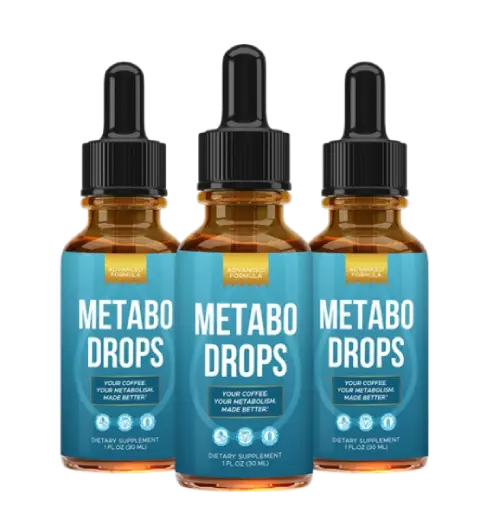
Metabo Drops
Tasteless coffee-mix drops with chlorogenic acid, chromium, and L-carnitine designed to support metabolism, energy, and appetite control.
View product
Related Blogs
Editorial resources automatically matched by ingredient, category, and wellness topic language.

Best Weight Loss Supplements for Healthy Metabolism: Science & Buyer's Guide
Sustained fat loss depends on a resilient metabolism, not crash diets or dangerous stimulants. Compare thermogenics, L-carnitine, chromium, and probiotic-based formulas to find the exact mechanism that fits your routine.
Read article
Natural Fat Burning Ingredients Explained: Science, Safety & Labels
Understand how popular natural fat-burning ingredients work, from thermogenic botanicals to soluble fiber. Learn to read supplement labels, avoid hidden blends, and build a sustainable routine.
Read article
How to Choose a Weight Loss Supplement Safely: Safety Checklist & Red Flags
Navigating the crowded weight loss supplement market requires separating marketing hype from proven safety. Learn how to audit Supplement Facts panels, identify hidden proprietary blends, avoid dangerous stimulants, and choose vetted formulas that align with your wellness goals.
Read articleCompare Alternatives
Similar ingredients surfaced automatically from matching wellness categories and ingredient language.
African Mango Extract
Irvingia gabonensis
African mango extract is a seed-derived botanical used in weight-management supplements for appetite, fiber, and metabolic wellness education.
Read MoreApple Cider Vinegar
Acetic acid from fermented apple juice
Apple cider vinegar is a fermented apple-derived ingredient used in supplement education for digestion, appetite routines, post-meal research, and weight-management label comparison.
Read MoreCayenne Pepper (Capsaicin)
Capsicum annuum
Cayenne Pepper provides capsaicin and related capsaicinoids, commonly used in metabolism, thermogenic, and digestive wellness formulas.
Read MoreGreen Coffee Bean Extract
Coffea arabica seed extract
Green Coffee Bean Extract is an unroasted coffee seed extract used in weight-management formulas for chlorogenic acid, caffeine, and metabolism-label education.
Read MoreExplore By Health Needs
Browse live wellness categories connected to broader supplement goals.