Vitamin C
Ascorbic acid
Vitamin C is an essential water-soluble vitamin used in immune, antioxidant, collagen, gum, and skin-support formulas.
What Is Vitamin C?
An essential vitamin profile for immune labels, collagen support, and stomach tolerance.
Vitamin C is part of Suppriva's ingredient library because it appears frequently in modern supplement formulas and deserves a careful, practical explanation. Shoppers may see vitamin c in products positioned for immune-support products, antioxidant formulas, collagen support, gum health, and skin wellness. This page explains how the ingredient is commonly presented, what label details matter, and which safety questions should be reviewed before using a product that contains it.
Ingredient identity is the starting point. A supplement may use a whole-food source, isolated nutrient, standardized botanical extract, essential compound, mushroom extract, or specialty derivative. Those forms are not automatically interchangeable. For vitamin c, the label should make clear the source, serving size, preparation type, and whether any marker compound or standardized amount is disclosed.
Vitamin C supports normal collagen formation, antioxidant protection, immune function, and iron absorption. This context is useful for education, but it does not mean the ingredient treats, cures, or prevents disease. Suppriva uses supportive wellness language because dietary supplements should be understood as optional tools within a broader health routine, not replacements for medical care, diagnosis, medication, or clinician-guided treatment.
The finished formula matters as much as the ingredient. Vitamin C may be paired with vitamins, minerals, botanicals, amino acids, probiotics, oils, or branded complexes that change the product's intent. A men's wellness formula, sleep product, joint-support blend, immune supplement, or topical-care product may use the same ingredient name while creating a very different user experience. Always read the full supplement facts panel or product directions.
Quality and transparency should guide comparison. Look for meaningful amounts, clear directions, realistic claims, and caution statements that mention medication use, pregnancy, nursing, surgery, children, allergies, and relevant health conditions. If a product hides key amounts in proprietary blends or makes aggressive disease-treatment promises, it deserves extra scrutiny even if the ingredient itself is familiar.
Safety depends on dose, form, and personal context. Some ingredients are essential nutrients, while others are concentrated botanicals or specialty compounds. Even nutrients can be problematic when stacked across multiple products. Botanicals and oils may require extra caution because preparation, concentration, and route of use can strongly affect tolerability.
For best results, use vitamin c as part of a realistic routine. Nutrition, sleep, activity, hydration, stress management, and professional care still matter. Supplements may support wellness goals, but they cannot compensate for unsafe dosing, poor-quality sourcing, ignored symptoms, or unresolved medical concerns.
This Suppriva profile is designed to help readers ask better questions: What form is used? Is the amount clear? Is the ingredient appropriate for my goal? Are there medication or condition cautions? Does the product explain what the ingredient can and cannot do? The most trustworthy product pages usually answer these questions without exaggeration.
It is also worth comparing how the ingredient fits your current routine. A product may look appealing because of one familiar ingredient, but the best choice usually depends on total formula design, repeated daily use, affordability, tolerability, and whether the directions match your lifestyle. This is especially important when an ingredient appears in gummies, capsules, powders, liquids, or topical products with different supporting ingredients.
Use this page as a label-reading guide for vitamin c. It brings together potential uses, dosage context, safety notes, side effects, interactions, and common FAQs so you can compare supplements with more confidence and avoid relying on front-label marketing alone.
How Vitamin C Works
Vitamin C appears in immune and collagen formulas where form, dose, and tolerance matter.
Buffered Forms May Differ
Labels may use ascorbic acid, mineral ascorbates, liposomal forms, or whole-food blends.
Vitamin C is one of the most common supplement ingredients. It appears in immune products, collagen blends, skin formulas, antioxidant products, and multivitamins.
Higher doses are not always better. Some people tolerate buffered or divided servings better than large ascorbic acid servings.
Because vitamin c may appear in multi-ingredient products, the full formula should always be reviewed before making assumptions about expected results or safety.
Collagen Cofactor
Vitamin C is required for normal collagen formation, which is why it appears in skin, gum, and connective-tissue formulas.
Potential Vitamin C Benefits
Benefits depend on form, serving size, formula quality, and the user's overall wellness routine.
Immune Formula Context
Commonly used in immune-support supplements.
Antioxidant Support
Helps support normal antioxidant defenses.
Collagen Formation
Required for normal collagen production.
Gum Health Context
Often appears in oral and gum-support formulas.
Iron Absorption
Can support absorption of non-heme iron.
Form Comparison
Encourages review of ascorbic acid, buffered, and liposomal forms.
Vitamin C Uses
Common wellness contexts where vitamin c appears.
Vitamin C is commonly used in immune support, collagen formation, antioxidant wellness, skin, gum, and oral health formulas. Product positioning should remain educational and should not imply disease treatment.
Supplement Formulas
Immune support, collagen formation, antioxidant wellness, skin, gum, and oral health formulas
Label Research
Useful for comparing source, form, dose, and safety notes.
Wellness Education
Best understood as one part of a broader health routine.
Vitamin C Sources
Where this ingredient naturally comes from or how it is typically sourced.
Vitamin C occurs naturally in citrus fruits, berries, kiwi, peppers, broccoli, and other fruits and vegetables. Supplements may use ascorbic acid, buffered ascorbates, liposomal forms, or whole-food blends.
Supplement preparations may differ from food, traditional, or clinical forms. Compare source material, processing, serving size, standardization, and whether the ingredient appears alone or in a broader blend.
Citrus and Berries
Common food sources of vitamin C.
Ascorbic Acid
Common supplement form.
Buffered or Liposomal Forms
Used for tolerance or delivery positioning.
Typical Vitamin C Dosage
Serving size depends on the product form, label directions, and personal safety factors.
Vitamin C serving sizes vary widely. Products may use ascorbic acid, sodium ascorbate, calcium ascorbate, liposomal vitamin C, or fruit-based blends.
Large servings may cause digestive discomfort. People with kidney stone history, iron overload, kidney disease, or medication concerns should use professional guidance.
Do not exceed label directions. Ask a qualified healthcare professional before use if you take medication, manage a health condition, are pregnant or nursing, are buying for a child, or are preparing for surgery.
Vitamin C Safety Information
Review vitamin c safety based on form, dose, personal health status, and medication use.
Side Effects
- Gas, cramps, or diarrhea may occur with high intake.
- Ascorbic acid may bother sensitive stomachs.
- High intake may not suit some people with stone history.
- Use caution with iron overload conditions.
Vitamin C Research Notes
A responsible summary of the research context.
Research on vitamin c varies by preparation, dose, population, and outcome measured. Evidence should be interpreted carefully and without disease-treatment assumptions.
Evidence Context
Research quality depends on form, dose, population, and outcome measured.
Practical Use
Use supplements as supportive tools, not replacements for care.
Vitamin C References
Trusted educational references used for responsible content framing.
NIH, NCCIH, and PubMed
General safety and research context for dietary supplement education.
Clinical Herb and Supplement References
Used to frame interactions, cautions, and label-awareness guidance.
Vitamin C FAQs
Common questions about vitamin c supplements and label comparison.
Vitamin C is an essential water-soluble vitamin also known as ascorbic acid.
It is commonly used in supplements positioned for immune-support products, antioxidant formulas, collagen support, gum health, and skin wellness.
Found In Products
Published Suppriva products connected through the existing ingredient relationship table.
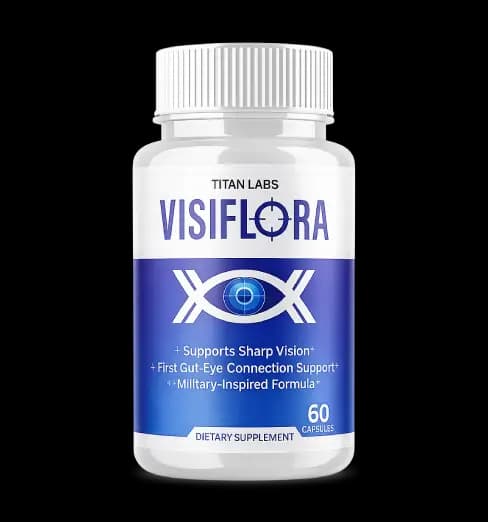
VisiFlora
VisiFlora is a daily capsule blending astaxanthin, lutein, and zeaxanthin to support eye health, vision clarity, and gut-eye balance.
View product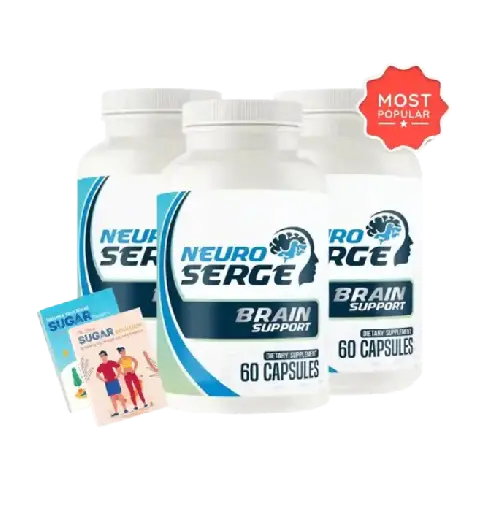

Related Blogs
Editorial resources automatically matched by ingredient, category, and wellness topic language.
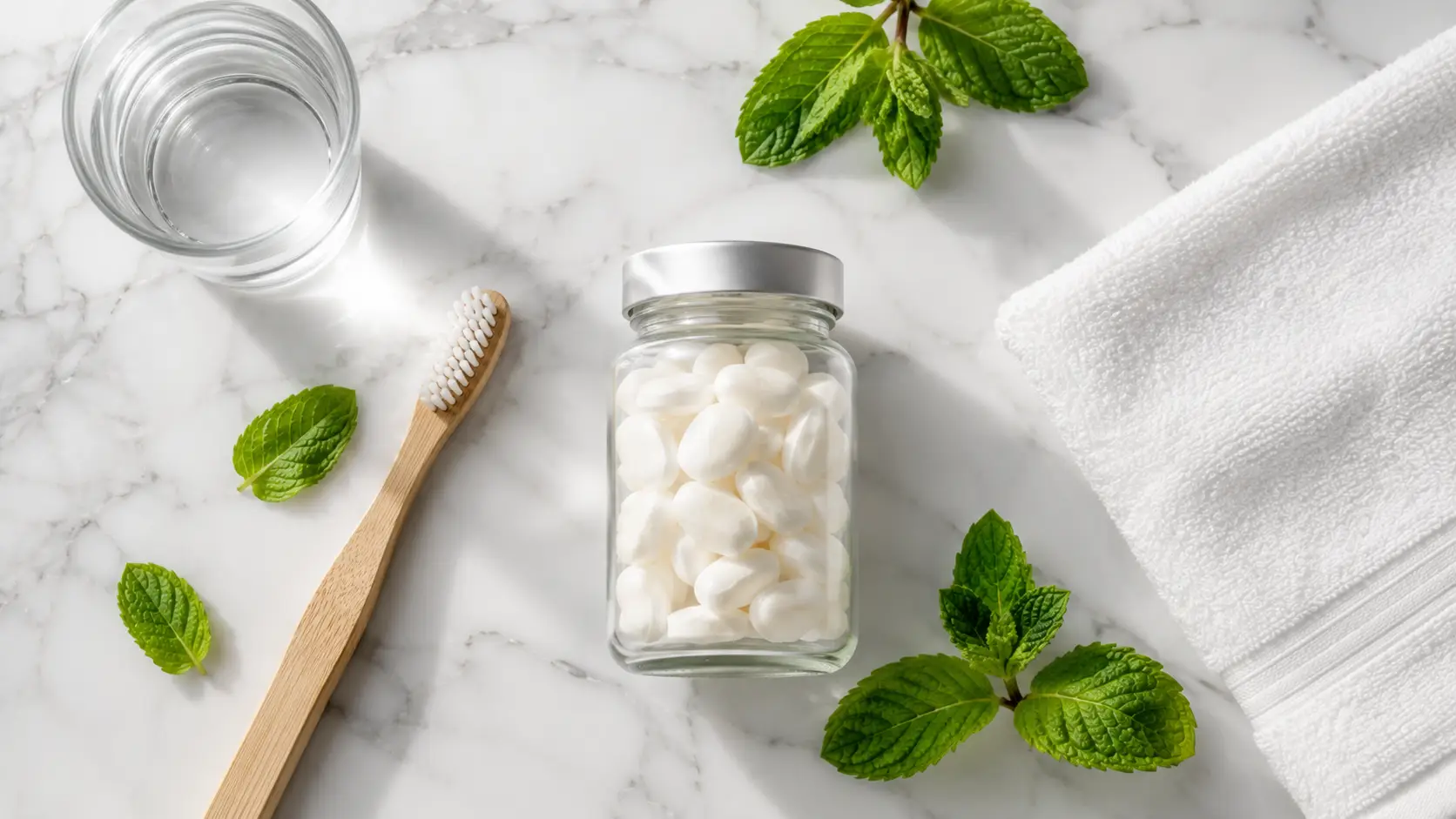
Oral Probiotics for Gum Health: How They Work and What to Look For
Brushing and harsh antibacterial mouthwashes strip away the good bacteria your mouth needs to defend against plaque and gingivitis. Examine how targeted oral probiotics restore your dental microbiome, protect sensitive gums, and eliminate bad breath.
Read articleCompare Alternatives
Similar ingredients surfaced automatically from matching wellness categories and ingredient language.
Explore By Health Needs
Browse live wellness categories connected to broader supplement goals.