Curcumin
Curcumin from Curcuma longa
Curcumin is the primary polyphenol in turmeric root, used in joint, antioxidant, recovery, and normal inflammation-response supplement formulas.
What Is Curcumin?
A practical guide to turmeric's best-known active compound, absorption formats, and supplement label comparison.
Curcumin is the best-known active polyphenol found in turmeric, the golden-orange rhizome of Curcuma longa. Turmeric is widely used as a culinary spice and has a long history in traditional wellness practices, while curcumin supplements usually provide a more concentrated extract. This distinction matters because turmeric powder and curcumin extract are not the same thing. A supplement may list turmeric root powder, turmeric extract, total curcuminoids, or a branded enhanced-absorption form.
Curcumin is commonly discussed for antioxidant activity, normal inflammatory-response pathways, joint comfort, mobility support, and exercise recovery routines. These educational uses should not be confused with disease treatment. Curcumin is not a substitute for medical care, pain medication, anti-inflammatory prescriptions, or a clinician-guided plan. It is better understood as a botanical compound that can be compared by dose, standardization, absorption technology, and safety context.
Bioavailability is one of the biggest issues with curcumin. Standard curcumin is poorly absorbed, rapidly metabolized, and quickly eliminated. To address this, many products include black pepper extract standardized for piperine, phospholipid complexes, micelles, nanoparticles, or other delivery systems. These technologies can change how the product is used and may also affect medication considerations, especially when piperine is included.
When comparing curcumin products, readers should look for clear curcuminoid standardization, serving size, delivery system, added piperine, allergen information, and third-party quality signals. A high milligram amount is not automatically better if the extract is poorly absorbed or poorly described. Likewise, an enhanced form should be reviewed for the total formula and the user's personal safety profile.
Curcumin may not be appropriate for everyone. People taking anticoagulant or antiplatelet medication, those with gallbladder disease, individuals preparing for surgery, pregnant or nursing people, and anyone on complex medication routines should speak with a healthcare professional before use. Suppriva reviews curcumin as an educational ingredient so shoppers can understand both its wellness appeal and its practical cautions.
Curcumin also illustrates the difference between traditional food use and concentrated supplement use. Cooking with turmeric in food is not the same as taking a high-dose extract with absorption enhancers. A supplement can deliver a much more concentrated exposure, and that is why medication review, digestive tolerance, and label clarity matter. People should not assume that a botanical ingredient is automatically risk-free simply because it comes from a familiar spice.
For readers comparing curcumin products, the most useful approach is to connect the ingredient to the complete routine. A joint formula may pair curcumin with boswellia, collagen, or hyaluronic acid. A recovery formula may pair it with tart cherry, magnesium, or omega-3 fatty acids. Those combinations can be reasonable in some contexts, but they should still be reviewed for total dose, overlapping effects, and personal safety considerations.
Curcumin's popularity also means labels can vary from very transparent to very vague. Some products clearly state curcuminoid percentage and delivery technology, while others rely on broad turmeric language without explaining active compound levels. Readers should be encouraged to compare the supplement facts panel, not just front-label claims. This helps prevent confusion between culinary turmeric, turmeric powder capsules, standardized extracts, and enhanced-absorption curcumin systems.
How Curcumin Works
Curcumin is researched for antioxidant signaling and normal inflammatory-response pathways, with absorption format playing a major role.
Polyphenol Signaling Support
Curcumin is best evaluated by curcuminoid standardization, absorption technology, dose, added piperine, and medication cautions.
Curcumin is studied as a plant polyphenol that interacts with multiple cell-signaling pathways related to oxidative stress and normal inflammatory response. It does not work like a stimulant or immediate pain reliever. Instead, it is typically used over time in joint comfort, recovery, antioxidant, and mobility-focused routines.
Absorption is central to curcumin's real-world performance. Plain curcumin has low oral bioavailability, so supplement companies often use piperine, phospholipids, or other delivery systems. These approaches may improve exposure, but they also make label review more important. Piperine, for example, can affect how some medications are processed.
Curcumin should be understood in context. A formula may combine it with boswellia, ginger, collagen, omega-3 fatty acids, or joint-support nutrients. The full ingredient stack, dose, safety cautions, and user's medical context should guide whether a product is appropriate.
Botanical Insight
Curcumin gives turmeric much of its bright golden color, but ordinary turmeric spice contains far less curcumin than concentrated curcuminoid extracts.
Potential Benefits of Curcumin
Educational benefits commonly discussed for curcumin in turmeric, joint, antioxidant, and recovery supplement routines.
Normal Inflammatory Response
Curcumin is widely studied for pathways related to the body's normal inflammatory-response signaling.
Antioxidant Support
Curcumin is a turmeric polyphenol commonly discussed in relation to oxidative stress and cellular wellness.
Joint Comfort Formulas
Curcumin appears in many mobility and joint-support blends alongside boswellia, collagen, and omega-3 ingredients.
Recovery Routine Context
Curcumin may be included in active-lifestyle formulas designed around comfort, mobility, and consistent recovery habits.
Turmeric Label Clarity
Curcumin helps readers distinguish culinary turmeric powder from standardized curcuminoid extracts.
Absorption Awareness
Curcumin products are useful for learning how piperine, phytosomes, and other delivery systems affect supplement comparison.
Curcumin Uses
Common supplement-use contexts for this ingredient.
Curcumin may appear in formulas related to joint comfort, antioxidant support, and recovery routines. Use should be guided by the finished product label, the total ingredient stack, and personal health context.
Normal Inflammatory Response
Normal Inflammatory Response is a common educational context for comparing this ingredient on supplement labels.
Antioxidant Support
Antioxidant Support is a common educational context for comparing this ingredient on supplement labels.
Joint Comfort Formulas
Joint Comfort Formulas is a common educational context for comparing this ingredient on supplement labels.
Recovery Routine Context
Recovery Routine Context is a common educational context for comparing this ingredient on supplement labels.
Curcumin Food Sources
Curcumin occurs naturally in turmeric, though supplements provide more concentrated curcuminoid extracts.
The main dietary source of curcumin is turmeric root or turmeric spice. Culinary turmeric provides curcuminoids in smaller amounts than concentrated extracts. Turmeric is commonly used in curries, golden milk, spice blends, teas, and traditional food preparations.
Turmeric root
Turmeric root may provide dietary context for Curcumin, though supplement amounts can differ from food exposure.
Turmeric spice
Turmeric spice may provide dietary context for Curcumin, though supplement amounts can differ from food exposure.
Curry blends
Curry blends may provide dietary context for Curcumin, though supplement amounts can differ from food exposure.
Golden milk preparations
Golden milk preparations may provide dietary context for Curcumin, though supplement amounts can differ from food exposure.
Turmeric teas
Turmeric teas may provide dietary context for Curcumin, though supplement amounts can differ from food exposure.
Typical Curcumin Dosage
Serving size depends on curcuminoid standardization and absorption technology.
Curcumin dosage depends on whether the label lists turmeric powder, turmeric extract, standardized curcuminoids, or an enhanced-absorption complex. Many products provide 250 mg to 1,000 mg per serving, but the meaningful comparison includes curcuminoid percentage and delivery system.
Products with piperine or specialized absorption technology may not be comparable to plain turmeric powder. Follow the product label and avoid stacking multiple high-dose curcumin products without professional guidance, especially if medication use, gallbladder issues, pregnancy, nursing, or surgery planning applies.
Curcumin Safety Information
Curcumin is generally well tolerated by many adults, but gallbladder status, digestive tolerance, and medication use should be reviewed.
Side Effects
- Curcumin can cause nausea, reflux, gas, stomach discomfort, or loose stools, especially at higher amounts.
- People with gallbladder disease or bile duct concerns should seek clinician guidance before use.
- Curcumin may be relevant to anticoagulant, antiplatelet, or surgery-related discussions.
- Curcumin formulas with black pepper extract may affect how some medications are processed.
Drug Interactions
- Anticoagulant and antiplatelet medications should be reviewed before curcumin use.
- Diabetes medications may require monitoring if curcumin is part of a metabolic support formula.
- Piperine-containing products may affect medication metabolism and should be checked against current prescriptions.
- Chemotherapy, immune-related therapies, or complex prescription routines should not be combined with curcumin without clinician guidance.
Who Should Avoid
- People taking blood-thinning medication unless cleared by a clinician.
- People with gallbladder disease, bile duct obstruction, or significant digestive sensitivity.
- People scheduled for surgery unless supplement timing is reviewed.
- Pregnant or nursing individuals unless advised by a qualified professional.
- Anyone using curcumin as a replacement for medical treatment or prescribed care.
Curcumin Research Notes
A balanced interpretation of available supplement research.
Curcumin research focuses on antioxidant activity, normal inflammatory-response pathways, joint comfort markers, and delivery technologies. Bioavailability differences make product form especially important.
Clinical interpretation depends on dose, extract type, population, and whether piperine or other absorption enhancers are included. Curcumin should be reviewed as supplement education, not medical advice.
Form Matters
Research findings may not apply equally to every extract form, delivery system, or serving size.
Population Matters
Outcomes can vary by age, baseline status, diet, medication use, and study design.
Curcumin FAQs
Common questions about Curcumin, dosage, safety, and supplement label comparison.
Curcumin is the primary yellow polyphenol found in turmeric root and is commonly used in standardized turmeric extract supplements.
No. Turmeric is the whole rhizome or spice, while curcumin is one of the main active curcuminoid compounds in turmeric.
Related Blogs
Editorial resources automatically matched by ingredient, category, and wellness topic language.
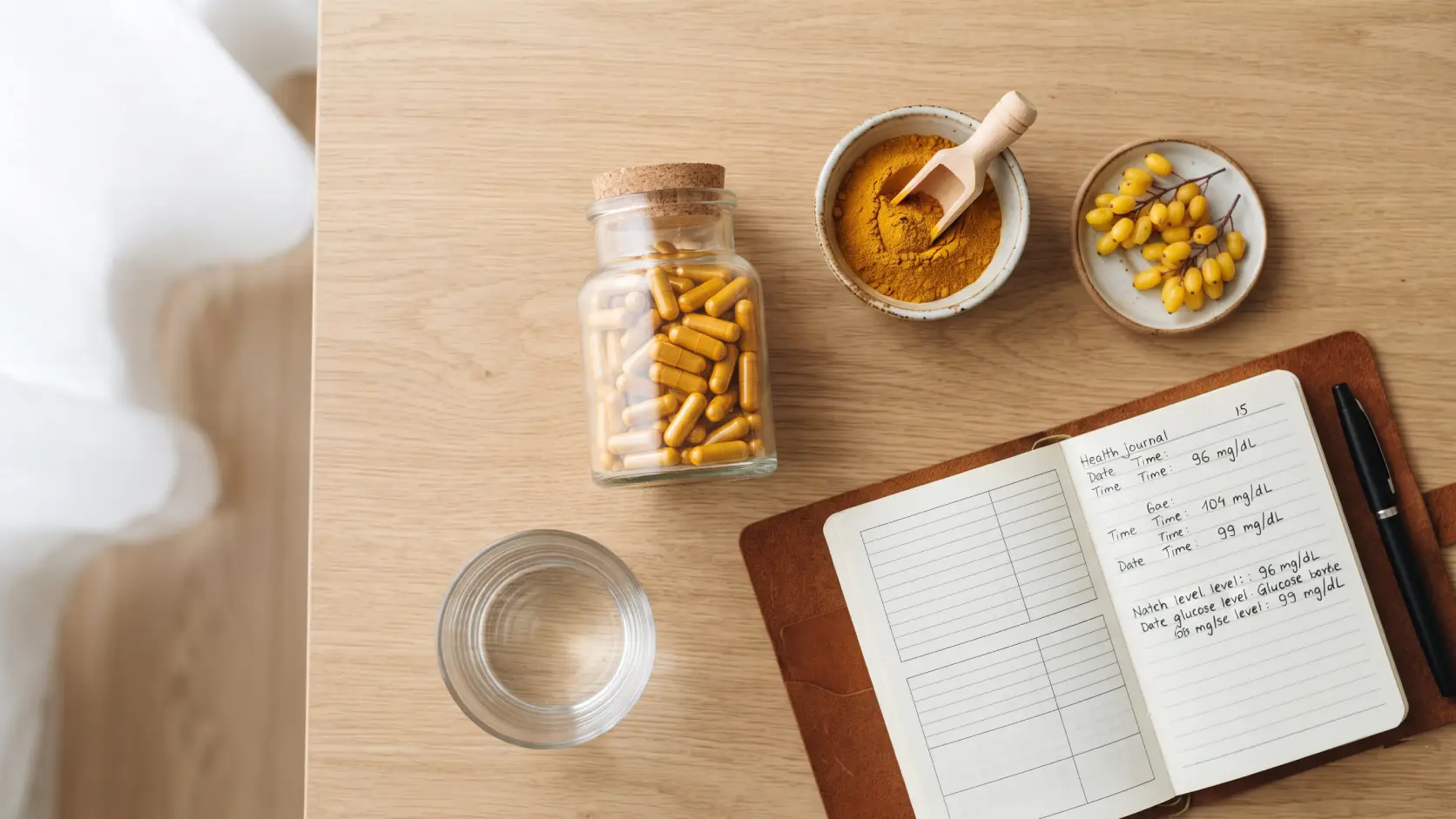
Berberine for Blood Sugar Support: Benefits, Dosage, and Safety
Often dubbed "nature's metabolic switch," Berberine activates AMPK enzymes to pull glucose out of your bloodstream and into cellular mitochondria. Explore human clinical trial data, optimal 500mg thrice-daily dosing protocols, and how to manage GI side effects safely.
Read article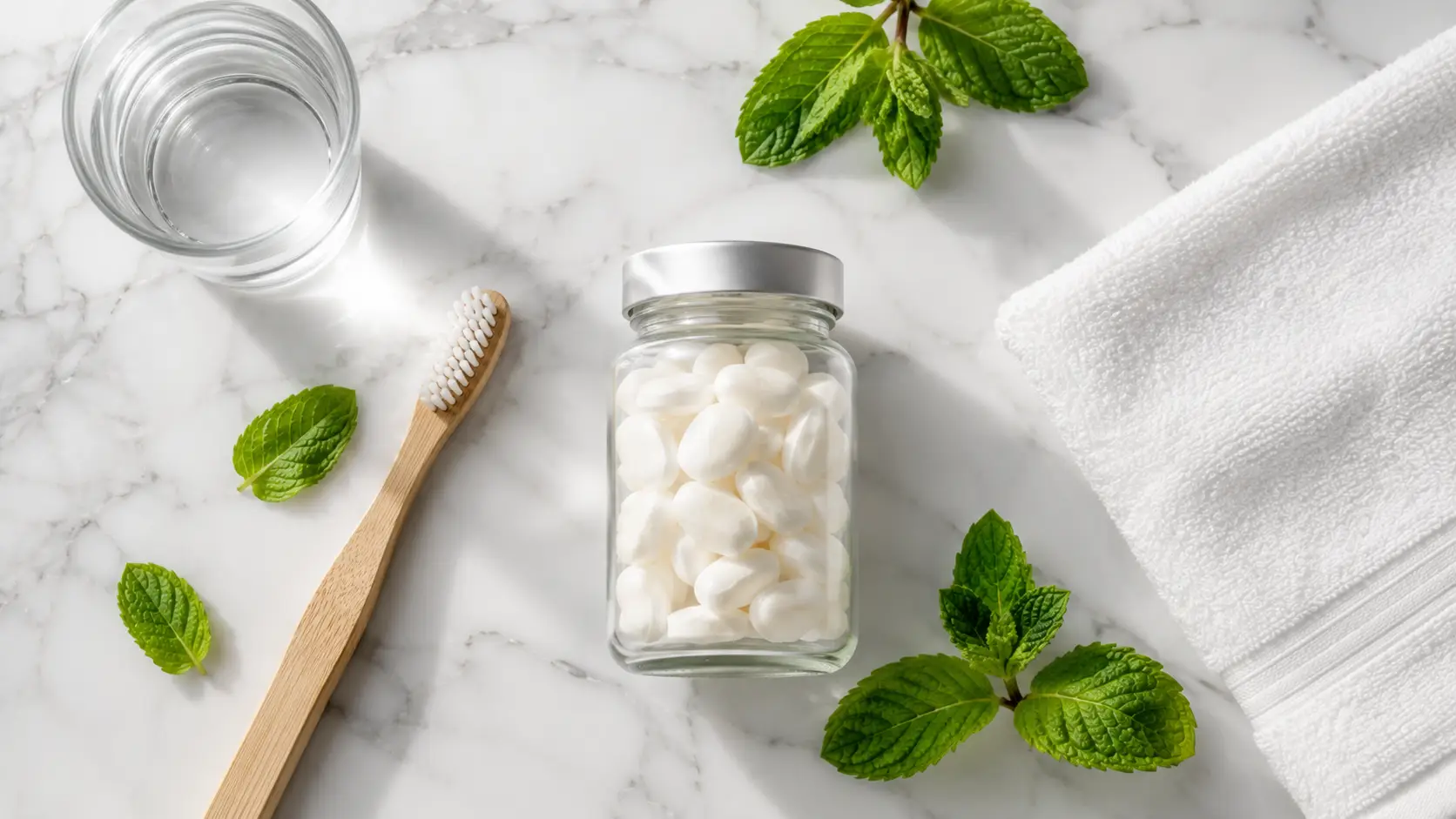
Oral Probiotics for Gum Health: How They Work and What to Look For
Brushing and harsh antibacterial mouthwashes strip away the good bacteria your mouth needs to defend against plaque and gingivitis. Examine how targeted oral probiotics restore your dental microbiome, protect sensitive gums, and eliminate bad breath.
Read article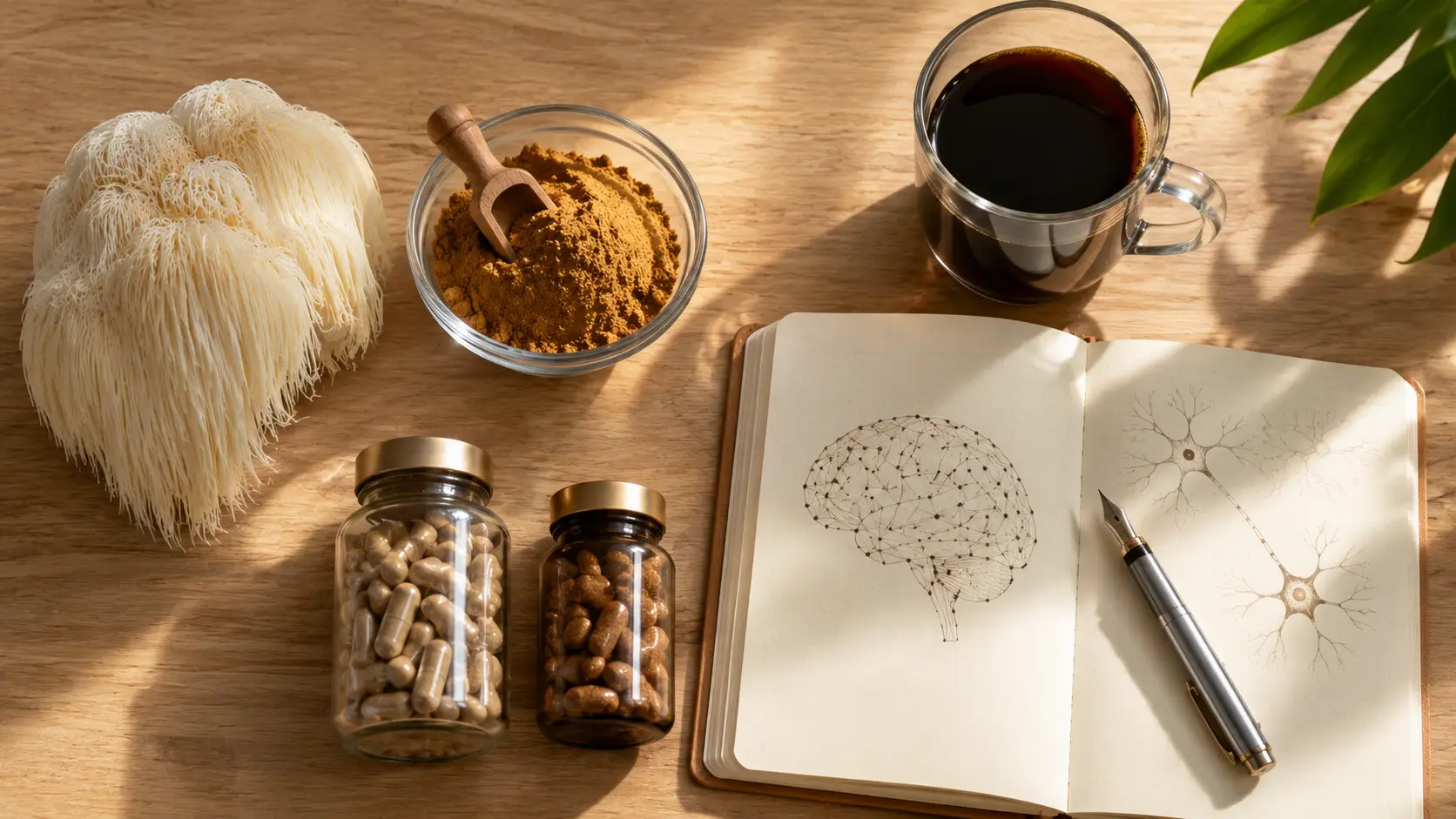
Lion's Mane Mushroom for Memory & Focus: What Science Shows
Brain fog, mental fatigue, and forgotten tasks often stem from declining Nerve Growth Factor (NGF). Explore how bioactive compounds in Lion’s Mane mushroom stimulate neuronal growth, sharp focus, and fit into modern brain health routines.
Read articleCompare Alternatives
Similar ingredients surfaced automatically from matching wellness categories and ingredient language.
Active Curcuminoids
Curcuminoids from Curcuma longa
Active Curcuminoids are concentrated turmeric compounds used in joint, antioxidant, recovery, and normal inflammatory-response supplement formulas.
Read MoreBerberine
Berberis species alkaloid
Berberine is a yellow plant alkaloid found in several botanicals and commonly discussed in metabolic, blood sugar, cholesterol, and gut-focused supplement formulas.
Read MoreBerberine HCl
Berberine hydrochloride
Berberine HCl is a common supplement form of berberine, used on labels for metabolic wellness, blood sugar support, and ingredient comparison.
Read MoreBitter Melon Extract
Momordica charantia
Bitter Melon Extract is a botanical ingredient from Momordica charantia used in blood sugar, metabolic, and traditional herbal supplement formulas.
Read MoreExplore By Health Needs
Browse live wellness categories connected to broader supplement goals.