Dong Quai
Angelica sinensis
Dong quai is the root of Angelica sinensis, a traditional botanical used in women-focused wellness formulas and herbal balance routines.
What Is Dong Quai?
A practical guide to Angelica sinensis, traditional use, label comparison, and safety cautions.
Dong quai is the common name for the root of Angelica sinensis, a plant used in traditional East Asian herbal practice and often positioned in modern supplements for women-focused wellness, cycle comfort, menopause-transition support, and general vitality. It is sometimes called female ginseng, although it is not the same plant as Panax ginseng or eleuthero. The ingredient is usually sold as dried root, powdered root, liquid extract, capsule, tablet, tea, or a component of broader botanical formulas.
For Suppriva readers, the most important point is that dong quai should be evaluated as a traditional botanical, not as a hormone therapy, fertility treatment, medication replacement, or guaranteed solution for menstrual or menopausal symptoms. Supplement labels may describe the ingredient in broad wellness language, but the real comparison should focus on the root form, extract ratio, serving size, formula partners, safety cautions, and whether the product explains who should avoid it.
Dong quai contains naturally occurring compounds such as ferulic acid, ligustilide, polysaccharides, coumarin-like constituents, and other aromatic molecules. These compounds are part of why the root is discussed in relation to circulation, smooth-muscle signaling, and traditional reproductive wellness routines. However, human evidence is not strong enough to treat dong quai as a stand-alone medical intervention. It is best framed as an educational ingredient that may appear in formulas designed for comfort, transition, and herbal balance.
Safety review is especially important with dong quai. Memorial Sloan Kettering notes cautions around blood-thinning medication, pregnancy, breastfeeding, and hormone-sensitive conditions. Because some dong quai constituents may be relevant to bleeding risk or hormone-sensitive contexts, people should not add it casually when using anticoagulants, antiplatelet drugs, hormone therapies, or complex prescription routines. Those preparing for surgery should also discuss timing with a clinician.
Product comparison should also consider the complete formula. Dong quai is often paired with black cohosh, chaste tree berry, red clover, evening primrose oil, ginger, or other botanicals. Those combinations can create overlapping effects or additional cautions. A high-quality product should clearly identify the amount of dong quai, the plant part used, whether it is standardized, and whether the label provides practical warnings.
Dong quai has a distinctive aromatic, earthy, slightly bitter profile when used as tea or powder. Capsules can avoid taste but still require careful label review. The ingredient may be more suitable for adults seeking to understand traditional botanical options than for people looking for immediate symptom relief. It should not be used to self-treat heavy bleeding, severe pain, irregular bleeding, infertility, hot flashes, or any diagnosed condition without professional guidance.
Suppriva presents dong quai as a wellness education topic so readers can compare labels responsibly. The best approach is to treat it as one part of a broader health conversation: identify the exact product form, review medication and pregnancy cautions, avoid stacking similar formulas, and speak with a qualified healthcare professional if symptoms are persistent, severe, or medically complex.
A practical buying checklist can make dong quai easier to evaluate. Look for the Latin name Angelica sinensis, the plant part root, an honest serving size, clear directions, and warnings that match the seriousness of the ingredient. Be cautious with labels that imply hormone-balancing certainty, guaranteed cycle relief, or broad women's health claims without explaining dose and safety. A responsible product should make it easy to understand what is in the bottle and who should avoid it.
How Dong Quai Works
Dong quai is studied for aromatic root compounds, traditional use patterns, and circulation-related wellness context.
Traditional Botanical Balance
Dong quai is best evaluated by root form, formula context, dose clarity, and pregnancy, bleeding-risk, and hormone-sensitive cautions.
Dong quai does not work like an immediate stimulant, hormone prescription, or pain reliever. Its traditional use is tied to the root's aromatic compounds, plant acids, polysaccharides, and other naturally occurring constituents. Modern supplement discussions often focus on how these compounds may relate to normal smooth-muscle, circulation, and antioxidant signaling, but these mechanisms remain educational rather than treatment claims.
Because dong quai is usually used in formulas rather than by itself, the surrounding ingredients matter. A product may combine it with chaste tree berry, black cohosh, ginger, red clover, or mineral support. The overall formula can change the safety profile and user experience. Readers should compare the entire supplement facts panel instead of judging dong quai in isolation.
The ingredient also requires special safety awareness. Its potential relevance to bleeding risk, pregnancy, breastfeeding, surgery timing, and hormone-sensitive conditions means it should be approached conservatively. People with significant symptoms should seek medical evaluation rather than relying on herbal supplements.
Traditional Root Insight
Dong quai is sometimes nicknamed female ginseng, but botanically it belongs to the Angelica genus and is not a true ginseng.
Potential Dong Quai Benefits
Educational benefits commonly discussed for dong quai in traditional botanical and women's wellness formulas.
Women's Wellness Context
Dong quai appears in formulas marketed around cycle comfort, transition support, and general reproductive wellness education.
Circulation-Related Tradition
Traditional use often connects dong quai with blood-flow and vitality concepts, though modern users should avoid disease-treatment assumptions.
Botanical Formula Support
It is commonly paired with other herbs, making it useful for learning how multi-herb women's formulas are built.
Label Safety Awareness
Dong quai encourages careful review of pregnancy, surgery, bleeding-risk, and hormone-sensitive condition cautions.
Traditional Herb Education
The ingredient helps readers distinguish historical use from modern evidence and responsible supplement comparison.
Aromatic Root Profile
Dong quai's distinctive root chemistry gives it a recognizable herbal profile in capsules, tinctures, and teas.
Dong Quai Uses
Common supplement-use contexts for this ingredient.
Dong Quai may appear in formulas related to women's wellness education, traditional botanical support, and herbal formula comparison. Use should be guided by the finished product label, the full ingredient stack, and personal health context.
Women's Wellness Formulas
Dong quai is commonly included in cycle and transition-focused herbal supplement blends.
Traditional Root Support
It is often reviewed as part of traditional East Asian botanical practice.
Formula Comparison
Dong quai helps readers evaluate multi-herb women's wellness formulas more carefully.
Safety Education
The ingredient highlights why pregnancy, medication, and hormone-sensitive cautions matter.
Dong Quai Food Sources
Dong quai is primarily used as an herbal root rather than a common food ingredient.
Dong quai is not typically consumed as an everyday food. It is more often used as dried root, tea, powder, tincture, capsule, or extract in herbal products. Food exposure and supplement exposure should not be treated as equivalent.
Dried Angelica Root
Traditional preparations may use sliced or dried Angelica sinensis root.
Herbal Tea
Some products use dong quai root in tea blends, though dose can vary considerably.
Capsules and Extracts
Modern supplements commonly use capsules, tablets, tinctures, or liquid extracts.
Typical Dong Quai Dosage
Serving size varies widely by root powder, extract ratio, tea, tincture, and combination formula.
Dong quai dosage cannot be judged by milligrams alone because labels may use powdered root, concentrated extract, tea, tincture, or a multi-herb blend. A concentrated extract may not be equivalent to a raw-root capsule. The most responsible approach is to follow the specific product label and avoid combining multiple dong quai-containing products.
People taking blood thinners, antiplatelet medication, hormone-related therapies, or medications for complex conditions should ask a healthcare professional before use. Dong quai should generally be avoided during pregnancy and breastfeeding unless a qualified clinician provides individualized guidance.
Dong Quai Safety Information
Dong quai requires careful review for pregnancy, breastfeeding, bleeding risk, surgery timing, and hormone-sensitive conditions.
Side Effects
- Some users may notice nausea, diarrhea, bloating, appetite changes, or stomach discomfort.
- Dong quai may increase sun sensitivity in some people, especially at higher exposure or with certain medications.
- People using blood-thinning medication or preparing for surgery should review dong quai with a clinician.
- People with hormone-sensitive conditions should avoid self-directed use unless medically advised.
Drug Interactions
- Anticoagulant and antiplatelet medications, including warfarin, should be reviewed because dong quai may increase bleeding-risk concerns.
- NSAIDs and other products that can affect bleeding should be discussed before combining with dong quai.
- Hormone therapies, oral contraceptives, or treatments for hormone-sensitive conditions should not be combined without professional guidance.
- Photosensitizing medications may require extra caution because dong quai may increase sun sensitivity in some users.
Who Should Avoid
- Pregnant individuals unless specifically advised by a qualified clinician.
- Breastfeeding individuals unless professional guidance confirms appropriateness.
- People with hormone-sensitive cancers or hormone-sensitive medical conditions.
- People taking blood thinners or scheduled for surgery without clinician clearance.
- Anyone using dong quai instead of medical evaluation for abnormal bleeding, severe pain, or persistent symptoms.
Dong Quai Research Notes
A balanced interpretation of available supplement research.
Dong quai research includes traditional-use reviews, laboratory work on root constituents, and limited human studies. Evidence is not strong enough to use it as a stand-alone treatment for menstrual, menopausal, or hormone-related concerns.
Safety references emphasize caution with pregnancy, breastfeeding, anticoagulant medication, surgery timing, and hormone-sensitive conditions. Product quality and formula context also affect real-world use.
Evidence Varies by Extract
Research findings depend on the exact species, preparation, dose, study design, and population being evaluated.
Label Context Matters
Supplement labels should be reviewed for active form, serving size, quality testing, and safety cautions before comparison.
Dong Quai FAQs
Common questions about Dong Quai, supplement labels, dosage, safety, and practical comparison.
Dong quai is the root of Angelica sinensis, a traditional botanical used in herbal wellness formulas, especially women's wellness blends.
No. It is sometimes called female ginseng, but it is not Panax ginseng and belongs to a different botanical group.
Related Blogs
Editorial resources automatically matched by ingredient, category, and wellness topic language.
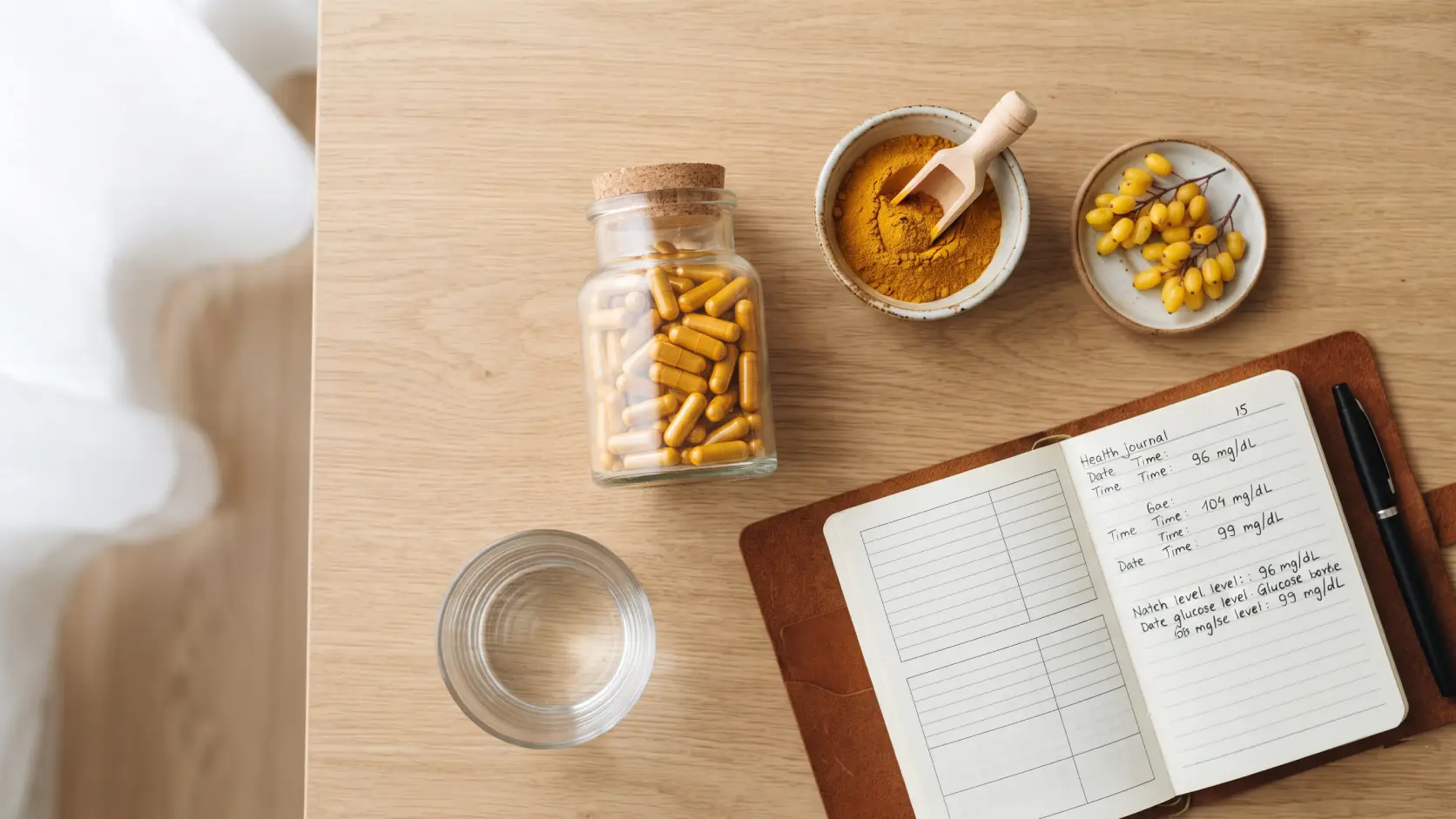
Berberine for Blood Sugar Support: Benefits, Dosage, and Safety
Often dubbed "nature's metabolic switch," Berberine activates AMPK enzymes to pull glucose out of your bloodstream and into cellular mitochondria. Explore human clinical trial data, optimal 500mg thrice-daily dosing protocols, and how to manage GI side effects safely.
Read article
Oral Probiotics for Gum Health: How They Work and What to Look For
Brushing and harsh antibacterial mouthwashes strip away the good bacteria your mouth needs to defend against plaque and gingivitis. Examine how targeted oral probiotics restore your dental microbiome, protect sensitive gums, and eliminate bad breath.
Read article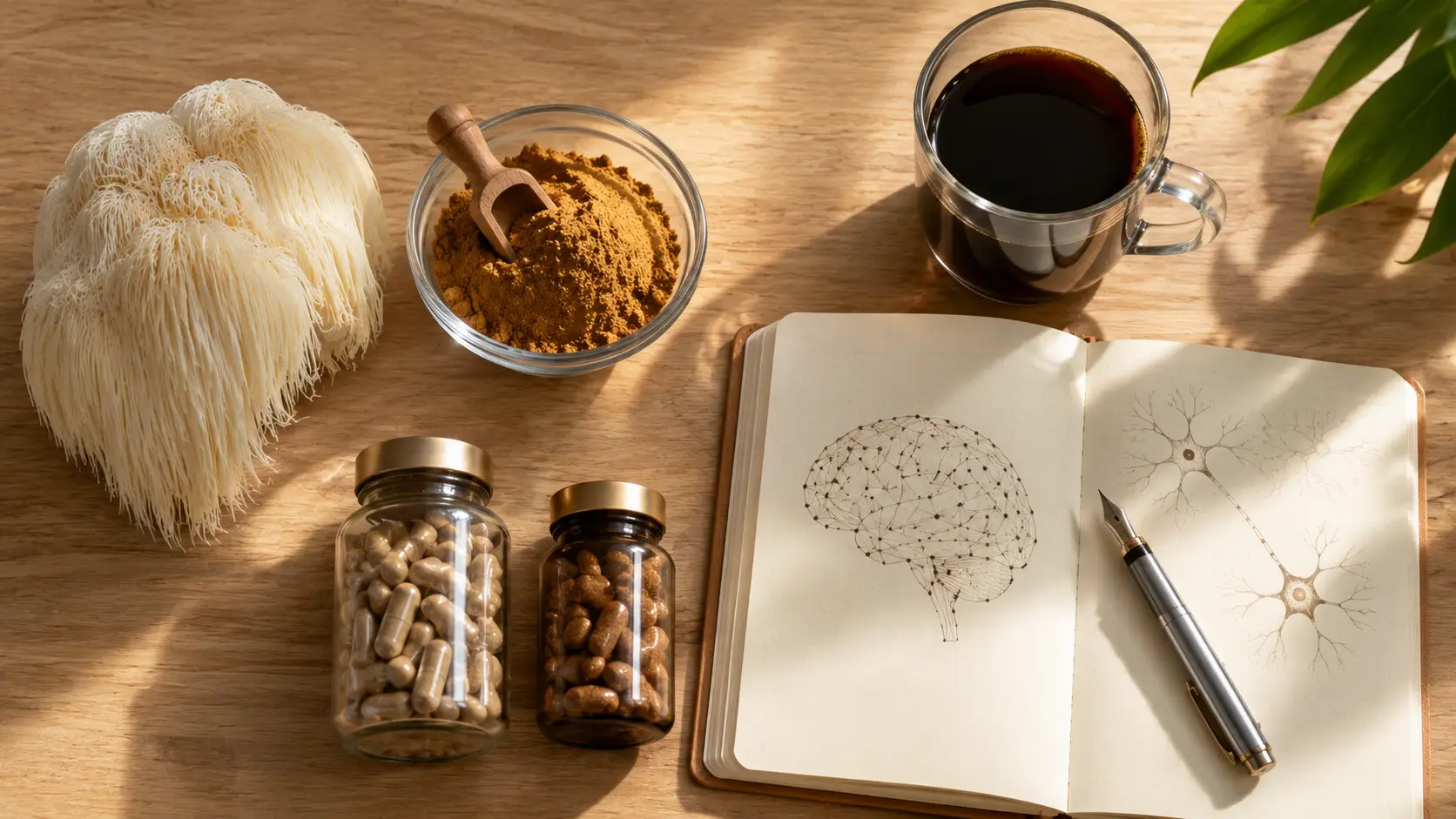
Lion's Mane Mushroom for Memory & Focus: What Science Shows
Brain fog, mental fatigue, and forgotten tasks often stem from declining Nerve Growth Factor (NGF). Explore how bioactive compounds in Lion’s Mane mushroom stimulate neuronal growth, sharp focus, and fit into modern brain health routines.
Read articleCompare Alternatives
Similar ingredients surfaced automatically from matching wellness categories and ingredient language.
Active Curcuminoids
Curcuminoids from Curcuma longa
Active Curcuminoids are concentrated turmeric compounds used in joint, antioxidant, recovery, and normal inflammatory-response supplement formulas.
Read MoreBerberine
Berberis species alkaloid
Berberine is a yellow plant alkaloid found in several botanicals and commonly discussed in metabolic, blood sugar, cholesterol, and gut-focused supplement formulas.
Read MoreBerberine HCl
Berberine hydrochloride
Berberine HCl is a common supplement form of berberine, used on labels for metabolic wellness, blood sugar support, and ingredient comparison.
Read MoreBitter Melon Extract
Momordica charantia
Bitter Melon Extract is a botanical ingredient from Momordica charantia used in blood sugar, metabolic, and traditional herbal supplement formulas.
Read MoreExplore By Health Needs
Browse live wellness categories connected to broader supplement goals.