Elderberry Extract
Sambucus nigra
Elderberry extract comes from Sambucus nigra berries and is used in seasonal wellness, antioxidant, syrup, gummy, and immune-support formulas.
What Is Elderberry Extract?
A practical guide to elderberry supplements, anthocyanins, seasonal wellness claims, and preparation safety.
Elderberry extract is made from the dark purple berries of Sambucus nigra, commonly known as European elder. It appears in syrups, gummies, capsules, lozenges, teas, powders, and seasonal immune-support formulas. Elderberry's deep color comes from anthocyanins and other polyphenols, which are part of why the ingredient is discussed in antioxidant and seasonal wellness contexts.
Elderberry is often marketed for immune support, especially during cold-weather seasons. The evidence is still evolving, and products vary widely by extract strength, berry preparation, added sugar, formula partners, and dosage. Elderberry should not be described as a cure, prevention guarantee, antiviral replacement, or substitute for medical care. It is best understood as a botanical ingredient that may support general wellness routines when used responsibly.
Preparation safety is one of the most important parts of elderberry education. NCCIH notes that raw or unripe elderberries and other parts of the elder tree, including leaves and stems, contain substances that can cause nausea, vomiting, and severe diarrhea. Proper cooking or processing is used to address this issue in commercial products. Consumers should not make assumptions about raw berries, homemade extracts, or improperly prepared plant material.
Elderberry products often combine the extract with vitamin C, zinc, echinacea, propolis, honey, or other seasonal ingredients. These combinations may be convenient, but they also introduce additional safety and dosage considerations. Gummies and syrups may contain added sugars, sweeteners, or flavoring agents, which matters for people monitoring carbohydrate intake or dental health.
The ingredient's antioxidant profile makes it useful for label education. Anthocyanins are plant pigments found in many dark-colored berries, including elderberry, blueberry, black currant, and acai. This does not mean all berry extracts are interchangeable. Each fruit extract has its own preparation method, concentration, taste, and supplement positioning.
People with autoimmune conditions, those using immune-suppressing medications, pregnant or breastfeeding individuals, and children should use elderberry only with appropriate guidance. People with severe symptoms, high fever, breathing difficulty, dehydration, or persistent illness should seek medical care rather than relying on supplements. Elderberry should also not be used as a replacement for vaccines, prescriptions, or clinician-directed treatment.
For Suppriva readers, elderberry is a helpful example of how a familiar fruit can become a concentrated supplement ingredient. Responsible comparison means checking the form, serving size, added sugar, standardization, formula partners, preparation quality, and safety warnings. A polished label should make these details easy to understand.
Elderberry also deserves extra attention because product formats can create different user experiences. A syrup may be soothing and easy to take but higher in sugar. A gummy may be convenient but easy to overuse. A capsule may reduce sugar exposure but depends heavily on extract quality. A tea may provide a gentler routine but can be harder to compare by dose. Matching the format to the user's health context is part of responsible supplement selection.
The best elderberry products make preparation and intended use clear. Look for ripe berry extract, serving instructions, added sweeteners, age guidance, and warnings for immune-related conditions. Avoid treating homemade raw-berry preparations as equivalent to properly processed commercial products. This distinction protects readers from confusing traditional food preparations with concentrated supplement use.
How Elderberry Extract Works
Elderberry is discussed for anthocyanins, antioxidant activity, and seasonal wellness formula context.
Anthocyanin Seasonal Support
Elderberry products are best compared by preparation quality, extract form, added sugar, dose, and formula partners.
Elderberry extract provides anthocyanins and other polyphenols that are studied for antioxidant activity and seasonal wellness context. These compounds do not make elderberry a treatment or guaranteed immune defense. They provide a nutritional and botanical basis for why elderberry appears in many seasonal formulas.
The product format matters. Syrups and gummies may be easy to use but can contain added sugar. Capsules and powders may be more concentrated but less transparent if extract strength is not stated. Teas may provide a milder preparation. The best choice depends on label clarity and personal health context.
Elderberry should be used with preparation and safety awareness. Commercial products should use properly processed berries, and users should avoid raw or unripe berries or homemade preparations that are not safely prepared.
Preparation Matters
Proper preparation is important because raw or unripe elderberries and elder tree parts can cause significant digestive symptoms.
Potential Benefits of Elderberry Extract
Educational benefits commonly discussed for elderberry in seasonal wellness and antioxidant supplement routines.
Seasonal Wellness Support
Elderberry is widely used in formulas designed around cold-weather and immune-support routines.
Anthocyanin Antioxidants
Dark elderberries provide anthocyanins, plant pigments associated with antioxidant activity.
Botanical Fruit Extract
Elderberry helps readers compare fruit-based extracts beyond standard vitamins and minerals.
Formula Label Education
Elderberry products vary by syrup, gummy, capsule, lozenge, tea, and added-sugar content.
Short-Term Routine Fit
Many users consider elderberry during seasonal wellness periods rather than as a permanent supplement.
Preparation Safety Awareness
The ingredient teaches why raw plant parts and properly processed supplements should not be confused.
Elderberry Extract Uses
Common supplement-use contexts for this ingredient.
Elderberry Extract may appear in formulas related to seasonal wellness, antioxidant education, and fruit-based supplement comparison. Use should be guided by the finished product label, the full ingredient stack, and personal health context.
Seasonal Wellness
Used in many cold-weather immune-support formulas.
Antioxidant Education
Anthocyanin content helps explain its dark berry profile.
Fruit Extract Comparison
Useful for comparing berry-based supplement ingredients.
Preparation Safety
Highlights why proper processing and raw-plant cautions matter.
Elderberry Food Sources
Elderberries must be properly prepared before consumption.
Elderberries may be used in cooked syrups, jams, teas, lozenges, and extracts. Raw or unripe elderberries and other elder plant parts should be avoided. Commercial supplements should be reviewed for preparation quality, serving size, and added sugar.
Cooked elderberry syrup
Syrups are common but may contain sugar or other immune-support ingredients.
Processed elderberry extract
Extracts are used in capsules, lozenges, and gummies.
Cooked elderberry foods
Traditional preparations may include properly cooked jams or preserves.
Typical Elderberry Extract Dosage
Serving size varies by syrup, gummy, capsule, lozenge, powder, and extract concentration.
Elderberry dosage varies widely because products may be syrups, gummies, lozenges, capsules, powders, or teas. Some labels list elderberry fruit amount, while others list extract weight or a proprietary blend. These are not always comparable.
Follow the finished product label and avoid combining multiple elderberry products with overlapping immune blends. Children, pregnant or breastfeeding individuals, and people with medical conditions should use elderberry only with appropriate professional guidance.
Elderberry Extract Safety Information
Use properly prepared products and avoid raw or unripe elderberries or other elder tree parts.
Side Effects
- Nausea, vomiting, stomach cramps, or diarrhea may occur, especially with improper preparation.
- Raw or unripe berries, leaves, stems, and bark can contain compounds that cause illness.
- Syrups and gummies may contain added sugars that matter for some users.
- Autoimmune conditions and immune-suppressing therapies should be discussed with a clinician.
Drug Interactions
- Immunosuppressant medications should be reviewed before elderberry use.
- Diabetes medications may require attention if elderberry syrups or gummies contain added sugars.
- Diuretics or blood pressure medications should be discussed with a clinician if the user has complex medical needs.
- Combining elderberry with multiple immune formulas can increase overlapping ingredient exposure.
Who Should Avoid
- People consuming raw or unripe elderberries or homemade preparations that are not safely processed.
- People with autoimmune conditions unless professionally advised.
- People taking immune-suppressing medication without clinician approval.
- Pregnant or breastfeeding individuals unless advised by a qualified professional.
- Anyone using elderberry instead of medical evaluation for severe, persistent, or worsening symptoms.
Elderberry Extract Research Notes
A balanced interpretation of available supplement research.
Elderberry research focuses on seasonal wellness, antioxidant compounds, and product-specific preparations. Evidence differs by extract type, dose, and study population.
Safety guidance emphasizes avoiding raw or unripe berries and other elder tree parts because improperly prepared material can cause significant digestive symptoms.
Evidence Varies by Extract
Research findings depend on the exact species, preparation, dose, study design, and population being evaluated.
Label Context Matters
Supplement labels should be reviewed for active form, serving size, quality testing, and safety cautions before comparison.
Elderberry Extract FAQs
Common questions about Elderberry Extract, supplement labels, dosage, safety, and practical comparison.
Elderberry extract is made from Sambucus nigra berries and used in seasonal wellness and antioxidant formulas.
Elderberry's dark purple color comes from anthocyanins, a group of plant pigments with antioxidant activity.
Related Blogs
Editorial resources automatically matched by ingredient, category, and wellness topic language.
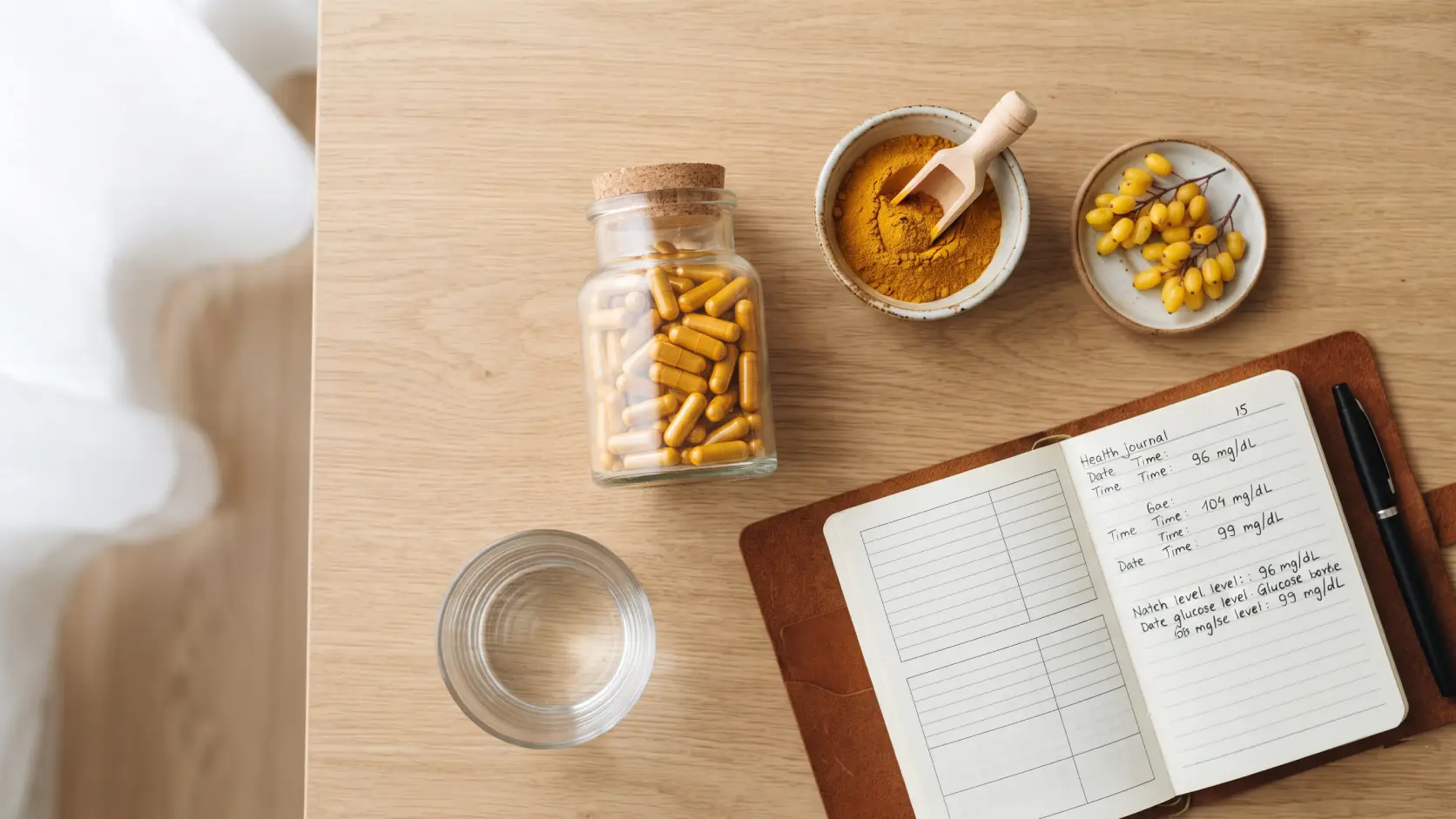
Berberine for Blood Sugar Support: Benefits, Dosage, and Safety
Often dubbed "nature's metabolic switch," Berberine activates AMPK enzymes to pull glucose out of your bloodstream and into cellular mitochondria. Explore human clinical trial data, optimal 500mg thrice-daily dosing protocols, and how to manage GI side effects safely.
Read article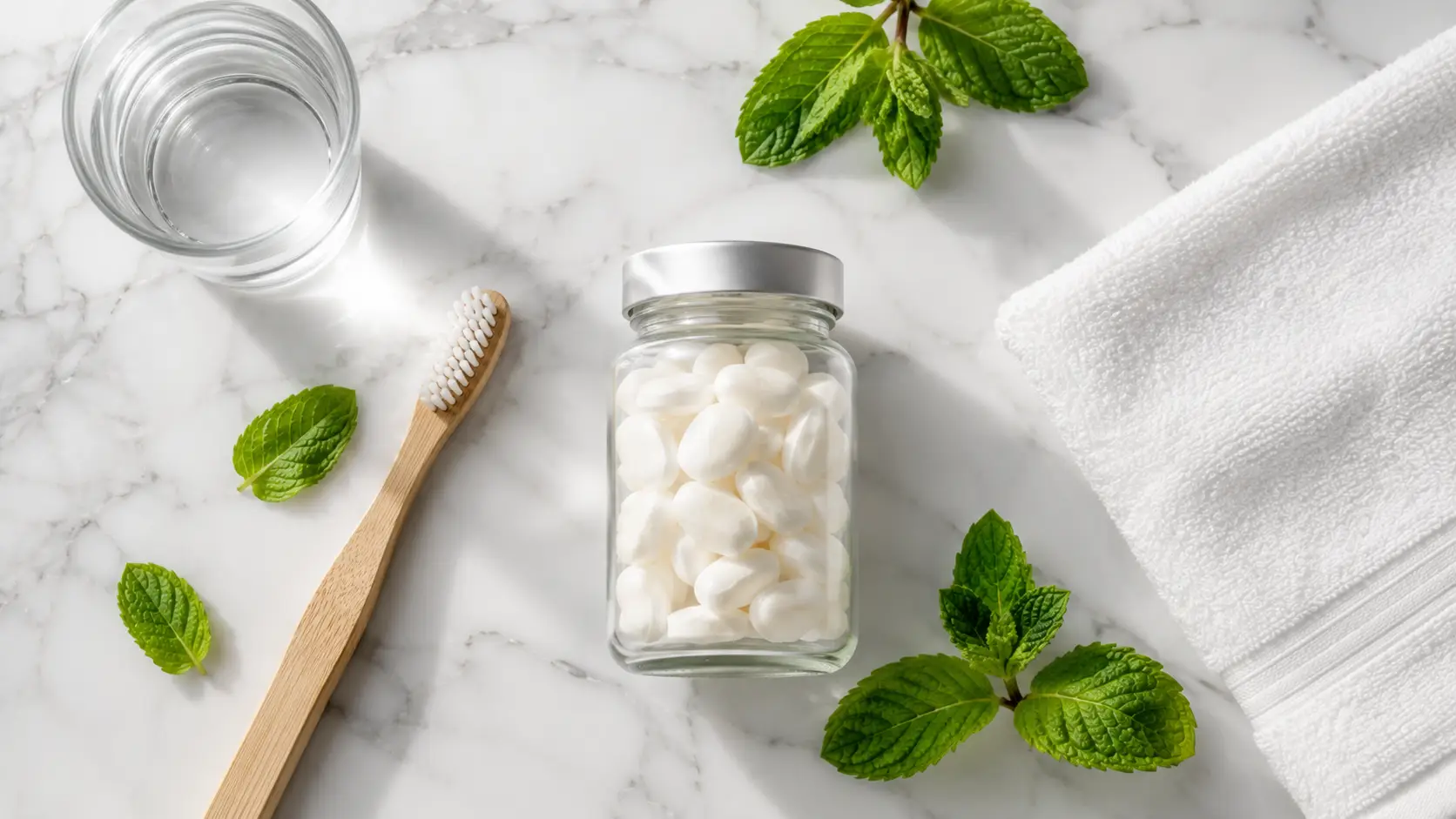
Oral Probiotics for Gum Health: How They Work and What to Look For
Brushing and harsh antibacterial mouthwashes strip away the good bacteria your mouth needs to defend against plaque and gingivitis. Examine how targeted oral probiotics restore your dental microbiome, protect sensitive gums, and eliminate bad breath.
Read article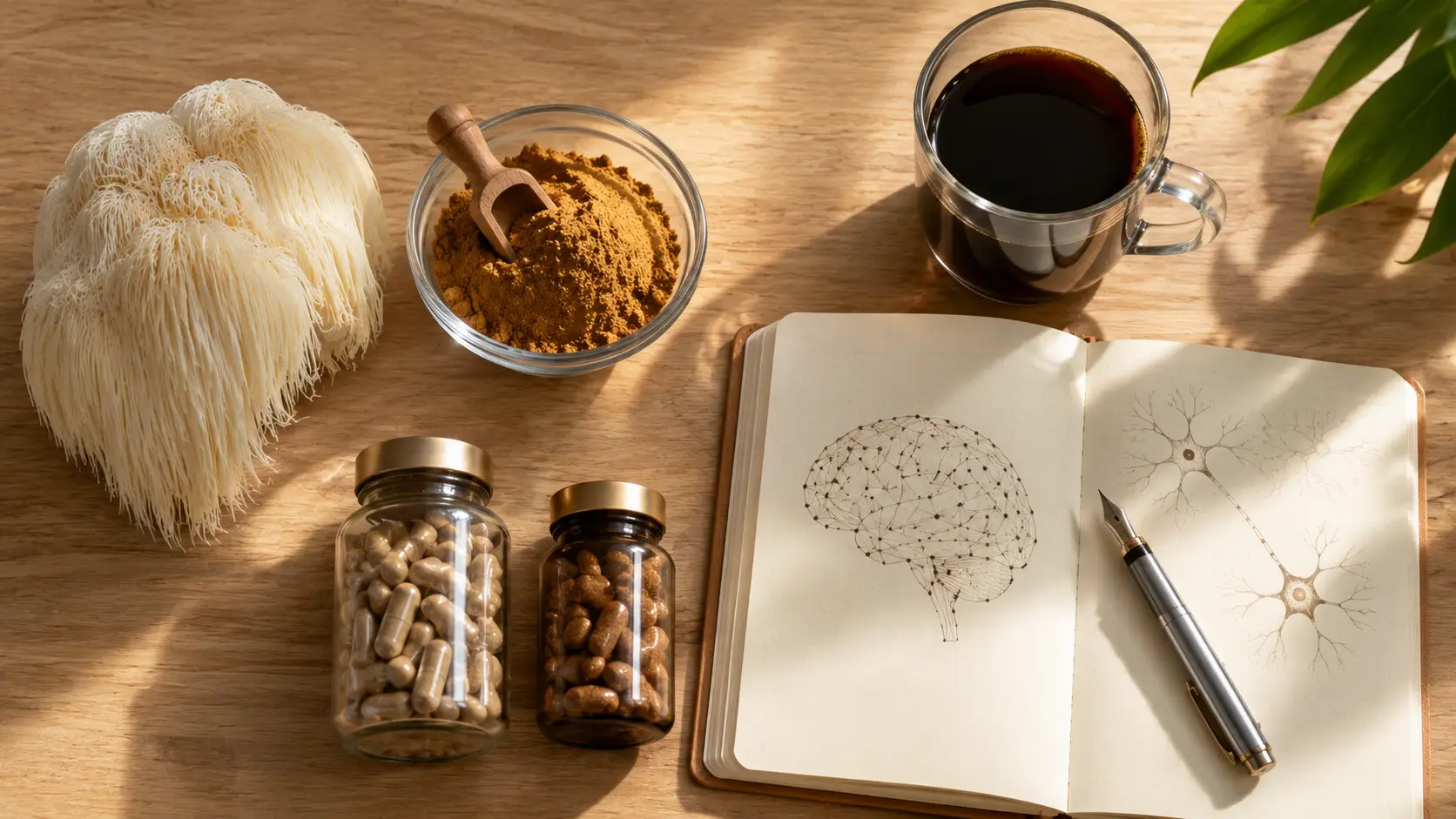
Lion's Mane Mushroom for Memory & Focus: What Science Shows
Brain fog, mental fatigue, and forgotten tasks often stem from declining Nerve Growth Factor (NGF). Explore how bioactive compounds in Lion’s Mane mushroom stimulate neuronal growth, sharp focus, and fit into modern brain health routines.
Read articleCompare Alternatives
Similar ingredients surfaced automatically from matching wellness categories and ingredient language.
Acai Extract
Euterpe oleracea
Acai Extract is a berry extract used in supplement formulas for antioxidant and superfruit formulas, with label quality depending on source, form, and dose transparency.
Read MoreArctic Lingonberry
Vaccinium vitis-idaea
Arctic Lingonberry is a tart Nordic berry used in antioxidant and urinary-wellness supplement formulas for its naturally occurring polyphenols and anthocyanins.
Read MoreBlack Currant Extract
Ribes nigrum
Black Currant Extract is a dark berry extract from Ribes nigrum used in antioxidant, eye, circulation, immune, and skin-support supplement formulas.
Read MoreBlueberry
Vaccinium spp.
Blueberry is a fruit-derived ingredient used in supplements for anthocyanins, polyphenols, antioxidant support, and cognitive or cardiovascular wellness positioning.
Read MoreExplore By Health Needs
Browse live wellness categories connected to broader supplement goals.