Holy Basil (Tulsi)
Ocimum tenuiflorum leaf extract
Holy Basil, also called Tulsi, is an adaptogenic botanical used in stress, calm, immune, and metabolic-wellness supplement education.
Holy Basil (Tulsi) Overview
A practical guide to tulsi leaf extract, stress-support claims, and safety context.
Holy Basil, commonly known as Tulsi, is a botanical herb used in teas, capsules, extracts, and traditional wellness systems. The plant is usually identified as Ocimum tenuiflorum or Ocimum sanctum. In modern supplements, it appears in stress-support, calm, immune, respiratory, and metabolic-wellness formulas.
Tulsi is often described as an adaptogenic herb, meaning it is marketed for helping the body respond to everyday stress. This language should be interpreted carefully. Adaptogen claims are wellness-oriented and should not be treated as treatment for anxiety, depression, endocrine disorders, infection, or chronic disease.
The plant contains compounds such as eugenol, ursolic acid, rosmarinic acid, and other polyphenols. Product forms vary widely, including whole leaf powder, tea, hydroalcoholic extracts, and standardized blends. A tea and a concentrated extract should not be assumed equivalent.
Safety context includes blood sugar, blood-thinning medication, fertility or pregnancy concerns, surgery timing, and sedating or calming blends. Tulsi is often combined with ashwagandha, bacopa, lemon balm, magnesium, or L-theanine, which may change the finished product's effect.
A complete Holy Basil (Tulsi) review should go beyond the headline benefit. The same ingredient can appear in very different formulas depending on extract strength, active markers, serving size, companion ingredients, and the audience the product is designed for. Suppriva treats ingredient pages as decision-support resources, not as simple claim lists.
Readers should also separate general wellness support from medical treatment language. Holy Basil (Tulsi) may have a useful role in supplement education, but it should not be used to diagnose, treat, cure, or prevent disease. People with medical conditions, pregnancy, nursing, medication routines, or unusual symptoms should use this information to ask better questions, not to replace professional guidance.
For practical comparison, review the ingredient form, amount per serving, standardization details, safety warnings, and whether the claims match the evidence. This keeps expectations realistic and helps shoppers compare Holy Basil (Tulsi) with related ingredients in a more responsible way.
The finished product also matters because Holy Basil (Tulsi) may be combined with caffeine, minerals, amino acids, fibers, probiotics, botanicals, or other extracts that change the overall safety profile. A single-ingredient study does not automatically apply to a multi-ingredient supplement. Shoppers should check the Supplement Facts panel, serving instructions, allergen notes, and any warnings about medications, surgery, pregnancy, nursing, liver health, blood pressure, blood sugar, or stimulant sensitivity.
Suppriva's ingredient profiles are designed for educational comparison. They explain what the ingredient is, why brands use it, what evidence themes exist, and which cautions deserve attention before buying. The best choice is usually not the product with the loudest claim, but the one with transparent dosing, realistic language, clear safety directions, and a formula that matches the user's personal wellness goal.
When reviewing Holy Basil (Tulsi), it is also helpful to compare it with adjacent ingredients in the same health category. Similar ingredients can share marketing language while differing in mechanism, dose range, strength of evidence, and medication cautions. This comparison-first approach helps readers decide whether Holy Basil (Tulsi) is central to a formula or simply one part of a broader wellness blend.
This is especially important for users who already take supplements, track symptoms, or manage a condition with professional support.
Conservative label review keeps the ingredient useful without overstating what a supplement can do.
How Holy Basil (Tulsi) Works
How tulsi is discussed in stress-support and adaptogenic formulas.
Adaptogenic botanical context
Holy Basil is best evaluated by extract form, calming blend design, blood-sugar cautions, and medication context.
Holy Basil is discussed through stress-response, antioxidant, inflammatory-response, and metabolic research pathways. These mechanisms are not the same as treating stress disorders or medical conditions.
The finished formula matters. Tulsi tea, leaf powder, and extracts differ, and combinations with other calming ingredients can change tolerability.
A responsible review should include dose, form, pregnancy status, blood sugar, blood-thinner use, and whether symptoms require medical care.
Ingredient Insight
Tulsi is often called holy basil because of its cultural importance in India, but supplement shoppers should still evaluate it by dose, form, and safety context.
Potential Holy Basil (Tulsi) Benefits
Educational benefits associated with Holy Basil in supplement formulas.
Stress-Support Context
Explains why tulsi appears in calm and adaptogen formulas.
Antioxidant Herb Awareness
Connects tulsi polyphenols with general wellness education.
Calm Routine Fit
May appear in evening or relaxation blends.
Metabolic-Wellness Review
Supports cautious review of blood-sugar-related language.
Medication Safety Awareness
Highlights blood sugar, blood thinner, pregnancy, and surgery cautions.
Tea vs Extract Comparison
Helps shoppers compare traditional tea and concentrated supplements.
Holy Basil (Tulsi) Uses
Common supplement-use contexts for Holy Basil (Tulsi).
Holy Basil may appear in adaptogen, calm, sleep-adjacent, immune-wellness, and metabolic-support formulas.
Stress Support
Used in adaptogenic calm formulas.
Herbal Tea
Common as tulsi tea.
Metabolic Context
Appears in some blood-sugar-aware formulas.
Relaxation Blends
Often paired with calming nutrients or herbs.
Holy Basil (Tulsi) Food Sources
Holy Basil is used as herbal tea and culinary-adjacent botanical, but supplements are more concentrated.
Tulsi tea is a common traditional beverage. Capsules and extracts can provide more concentrated servings and may include other calming herbs.
Culinary basil is related but not the same as Holy Basil supplements. Product labels should identify the botanical species and plant part.
Tulsi Tea
Common beverage form made from leaves.
Holy Basil Leaf
The source material for powders and extracts.
Extract Capsules
Concentrated supplement form.
Typical Holy Basil (Tulsi) Dosage
Dose varies widely across tea, powder, and extract products.
Holy Basil dosage depends on whether the product is tea, powder, capsule, or standardized extract. Follow the finished product label rather than assuming forms are interchangeable.
People using blood sugar medication, blood thinners, sedatives, fertility treatments, or those preparing for surgery should review use with a healthcare professional.
Tulsi should not be used to replace care for anxiety, sleep disorders, endocrine issues, infections, or chronic disease.
Holy Basil (Tulsi) Safety Information
Review blood sugar, blood-thinner use, pregnancy, fertility, sedating blends, and surgery timing.
Side Effects
- Nausea, stomach discomfort, or loose stool may occur.
- Calming blends may cause sleepiness in sensitive users.
- Tulsi may be relevant for people using glucose-lowering medication.
- People sensitive to basil-family plants should check labels carefully.
Holy Basil (Tulsi) Research Notes
A balanced interpretation of available supplement research.
Holy Basil research includes stress-response markers, metabolic measures, antioxidant activity, and traditional-use contexts. Evidence quality and product forms vary.
Safety review should include blood sugar, blood thinners, sedatives, pregnancy, fertility, nursing, surgery timing, and whether symptoms need care.
Evidence Depends on Form
Research should be interpreted by extract form, dose, active markers, population, and study duration.
Label Context Matters
Claims should be checked against serving size, standardization, medication cautions, and the complete formula.
Holy Basil (Tulsi) References
References should be reviewed by ingredient form and health context.
NIH Office of Dietary Supplements
Memorial Sloan Kettering herb and supplement database
PubMed biomedical literature
Holy Basil (Tulsi) FAQ
Common questions about Holy Basil (Tulsi), supplement labels, and safety.
Holy Basil, or Tulsi, is an Ocimum tenuiflorum botanical used in stress-support, calm, and wellness formulas.
It is used in adaptogen, relaxation, immune-wellness, metabolic-support, and herbal tea products.
Related Blogs
Editorial resources automatically matched by ingredient, category, and wellness topic language.
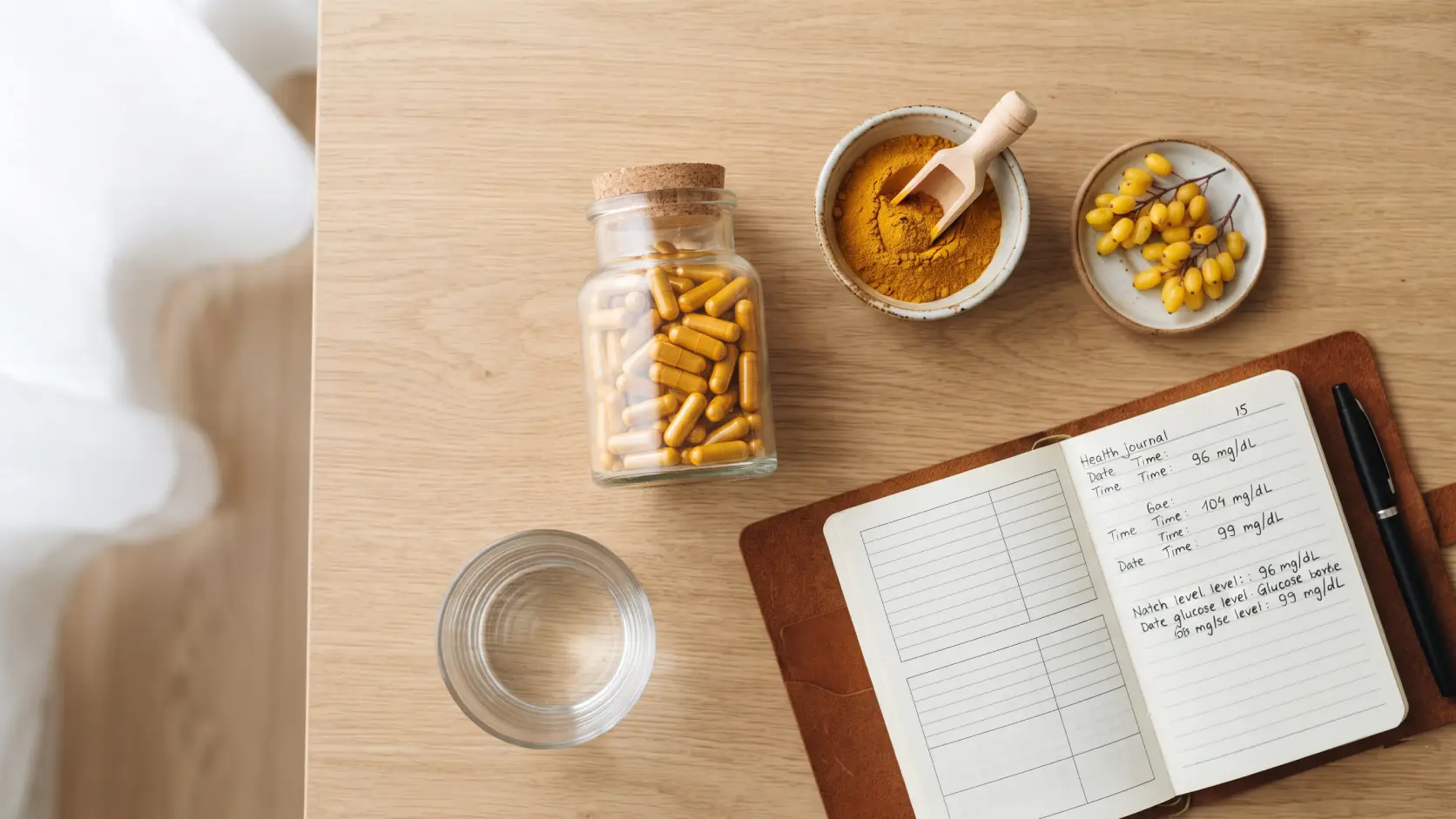
Berberine for Blood Sugar Support: Benefits, Dosage, and Safety
Often dubbed "nature's metabolic switch," Berberine activates AMPK enzymes to pull glucose out of your bloodstream and into cellular mitochondria. Explore human clinical trial data, optimal 500mg thrice-daily dosing protocols, and how to manage GI side effects safely.
Read article
Oral Probiotics for Gum Health: How They Work and What to Look For
Brushing and harsh antibacterial mouthwashes strip away the good bacteria your mouth needs to defend against plaque and gingivitis. Examine how targeted oral probiotics restore your dental microbiome, protect sensitive gums, and eliminate bad breath.
Read article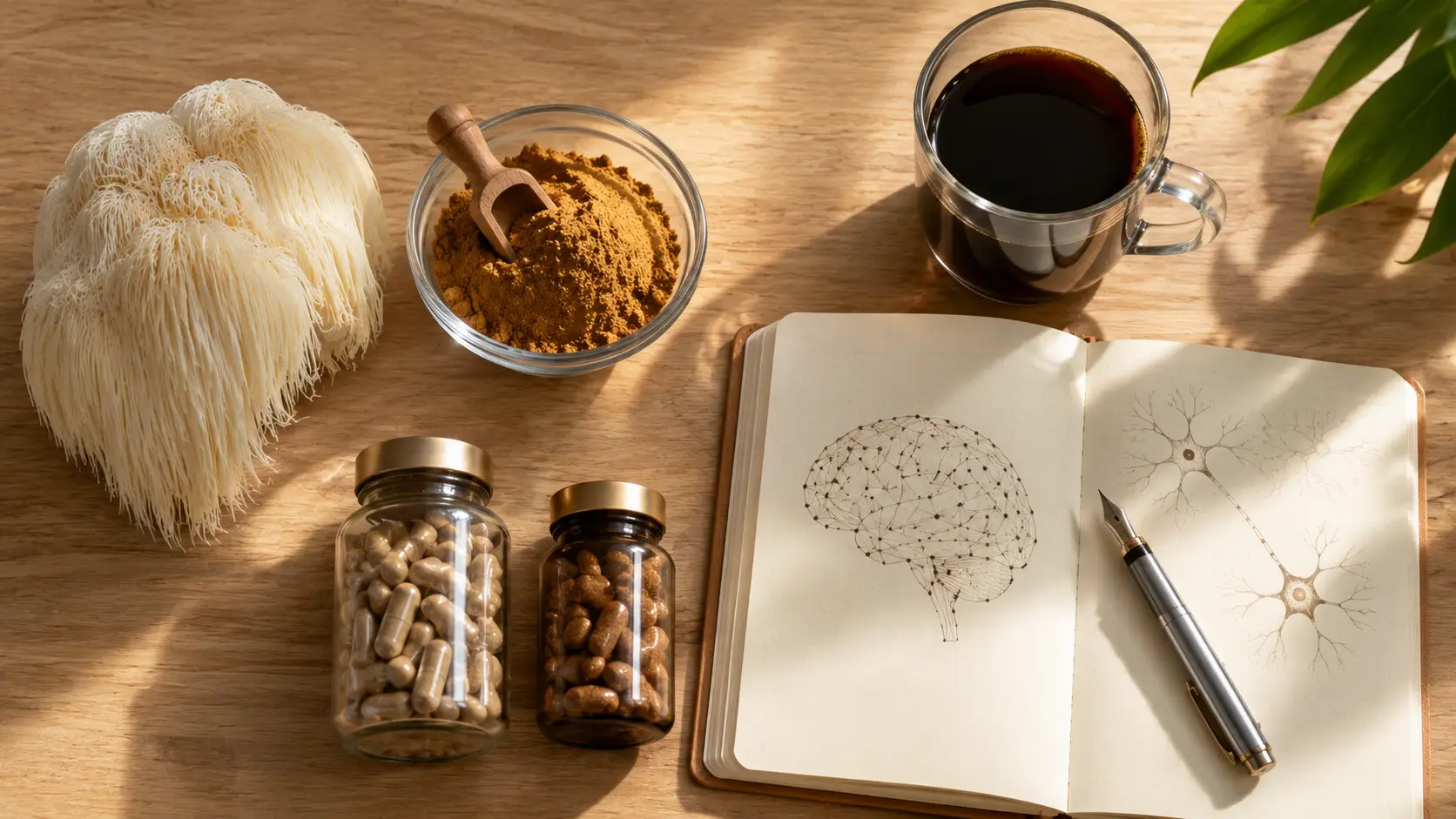
Lion's Mane Mushroom for Memory & Focus: What Science Shows
Brain fog, mental fatigue, and forgotten tasks often stem from declining Nerve Growth Factor (NGF). Explore how bioactive compounds in Lion’s Mane mushroom stimulate neuronal growth, sharp focus, and fit into modern brain health routines.
Read articleCompare Alternatives
Similar ingredients surfaced automatically from matching wellness categories and ingredient language.
Explore By Health Needs
Browse live wellness categories connected to broader supplement goals.