Licorice Extract
Glycyrrhiza glabra
Licorice Extract is a traditional botanical root extract used in wellness formulas, with important safety considerations related to glycyrrhizin content.
Licorice Extract Overview
A practical look at licorice root extract and its safety profile.
Licorice extract is made from the root of Glycyrrhiza glabra and related licorice species. It is used in herbal teas, throat lozenges, digestive wellness products, botanical blends, and dietary supplements. Licorice has a long history of use, but it also has one of the more important safety profiles among common herbal ingredients. The key issue is glycyrrhizin, a naturally occurring compound that can influence potassium balance, fluid retention, and blood pressure in susceptible people.
Not all licorice products are the same. Standard licorice extract may contain glycyrrhizin, while deglycyrrhizinated licorice, commonly called DGL, is processed to reduce glycyrrhizin content. DGL is often used in digestive comfort products because it may lower some of the concerns associated with glycyrrhizin-containing formulas. However, users should still read labels carefully and avoid assuming that every licorice product has the same safety profile.
Licorice is commonly positioned around throat comfort, digestive routines, and traditional botanical support. These uses should be framed responsibly. Licorice supplements are not substitutes for medical evaluation of reflux, ulcers, high blood pressure, kidney concerns, hormone-related symptoms, or persistent throat problems. Anyone with ongoing symptoms should seek professional care rather than relying on an herbal product.
The ingredient can also appear in multi-herb formulas where its sweetness and traditional use support the overall formula. In those cases, the licorice dose may be lower, but consumers should still check whether the product contains glycyrrhizin and whether the label includes duration limits. Long-term or high-dose use of glycyrrhizin-containing licorice is the scenario most often associated with safety concerns.
Licorice extract is best used with label awareness and medical caution. People with high blood pressure, kidney disease, heart disease, low potassium, pregnancy, or medication use should speak with a qualified healthcare professional before using licorice. This ingredient can be useful in well-designed products, but it is not a casual supplement for everyone.
For Suppriva readers, licorice extract should be evaluated in the same way as any other supplement ingredient: by matching the form to the goal, checking whether the label explains the source clearly, and reviewing the full formula instead of judging one ingredient in isolation. A product that lists Licorice Extract alongside several other active ingredients may behave differently from a single-ingredient product. Serving size, standardization, extraction method, route of use, and quality testing can all affect whether the ingredient fits a specific wellness routine.
It is also important to separate educational interest from medical decision-making. Research papers and traditional use can help explain why an ingredient appears in supplements, but they do not mean every consumer product has the same strength or outcome. People with ongoing symptoms, diagnosed conditions, medication use, pregnancy, nursing, or planned surgery should use professional guidance before adding concentrated botanicals, oils, or functional ingredients. This is especially important when an ingredient may overlap with sleep support, blood pressure, blood sugar, immune function, skin sensitivity, or digestive comfort.
The most practical way to compare licorice extract products is to look for transparent labeling. Strong labels identify the exact ingredient form, botanical or source name, plant part when relevant, amount per serving, intended route of use, cautions, and whether third-party testing is mentioned. Avoid products that make disease-treatment promises or hide important details behind vague blends. Used responsibly, Licorice Extract can be part of a thoughtful wellness routine, but it should complement balanced nutrition, healthy lifestyle habits, and qualified medical care when needed.
How Licorice Extract Works
Licorice extract is shaped by root compounds and whether glycyrrhizin is present.
Glycyrrhizin matters
Licorice products can differ greatly depending on whether they contain glycyrrhizin or use deglycyrrhizinated licorice, often called DGL.
Licorice extract works through several root compounds, including glycyrrhizin, flavonoids, and other plant constituents. Glycyrrhizin contributes to the classic licorice profile but is also responsible for many safety cautions.
DGL licorice is different because it is processed to reduce glycyrrhizin. This changes how the product is positioned and may make it more suitable for certain digestive wellness formulas, though label directions still matter.
Because licorice can interact with medications and health conditions, its mechanism should be considered alongside safety, not just potential benefits.
Safety Note
Licorice root naturally contains glycyrrhizin, a compound that can affect potassium balance and blood pressure when used in high amounts or for extended periods.
Potential Licorice Extract Benefits
Benefits depend on form, quality, serving size, and overall wellness routine.
Traditional Botanical Use
Licorice root has a long history in herbal wellness systems and is often included in botanical formulas.
Throat Comfort Positioning
Licorice is commonly used in teas and lozenges designed for soothing throat-focused routines.
Digestive Formula Fit
DGL licorice is often positioned in digestive comfort products where glycyrrhizin reduction is preferred.
Naturally Sweet Profile
Licorice root has a distinctive sweetness that influences flavor in herbal blends.
Safety Label Importance
The ingredient requires careful review because glycyrrhizin-containing products may affect blood pressure and potassium.
Product Comparison Value
Licorice helps users compare DGL versus standard extract, serving size, duration, and medication cautions.
Licorice Extract Uses
Common wellness contexts where licorice extract appears.
Licorice Extract is commonly used in botanical formulas, throat comfort products, and label-aware herbal routines. Product positioning should remain educational and should not imply disease treatment.
Supplement Formulas
Botanical formulas, throat comfort products, and label-aware herbal routines
Label Research
Useful for comparing form, dose, and safety notes.
Wellness Education
Best understood as one part of a broader routine.
Licorice Extract Sources
Where this ingredient naturally comes from or how it is typically sourced.
Licorice Extract is typically sourced from root of Glycyrrhiza glabra. Supplement formats may differ from culinary or traditional preparations, so label form and intended use matter.
Primary Source
Glycyrrhiza glabra
Common Form
Capsule, tea, extract, deglycyrrhizinated licorice
Label Check
Review plant part, serving size, extraction method, and safety directions.
Typical Licorice Extract Dosage
Serving size depends on the product format and label directions.
Licorice dosage depends on whether the product is standard extract, tea, lozenge, or DGL. Follow the product label exactly and avoid long-term use of glycyrrhizin-containing products unless supervised by a qualified clinician.
People with blood pressure, kidney, heart, potassium, or medication concerns should not use licorice casually. If a product lists DGL, compare serving size, chewable versus capsule format, and directions for timing.
Licorice Extract Safety Information
Use label directions carefully and consider personal sensitivity, medication use, and health status.
Side Effects
- Glycyrrhizin-containing licorice may raise blood pressure in some users.
- Excessive intake may contribute to low potassium, muscle weakness, or irregular heartbeat risk.
- Some users may notice swelling or water retention.
- Nausea, stomach upset, or loose stools may occur in sensitive users.
Drug Interactions
- Use caution with blood pressure medications, diuretics, heart medications, corticosteroids, and digoxin.
- Avoid combining with stimulant laxatives or other products that may lower potassium.
- Discuss use with a clinician if taking hormone-related therapies or medications.
- Review use before surgery or if managing kidney, heart, or liver conditions.
Who Should Avoid
- People with high blood pressure unless cleared by a healthcare professional.
- People with kidney disease, heart disease, or low potassium.
- Pregnant or nursing users unless specifically advised by a clinician.
- People taking diuretics, digoxin, corticosteroids, or blood pressure medication without guidance.
- Anyone planning long-term daily use of standard licorice extract.
Licorice Extract Research Notes
A responsible summary of the research context.
Research on licorice extract varies by preparation, dose, and study design. Human evidence may be limited for some uses, so supplement labels should be interpreted carefully and without disease-treatment assumptions.
Evidence Context
Research quality depends on form, dose, and population studied.
Practical Use
Use supplements as supportive tools, not replacements for care.
Licorice Extract References
Trusted educational references used for responsible content framing.
NIH and PubMed
General safety and research context for dietary supplement education.
Clinical Herb and Supplement References
Used to frame interactions, cautions, and label-awareness guidance.
Licorice Extract FAQs
Common questions about licorice extract supplements and label comparison.
It is used in throat comfort products, digestive wellness formulas, teas, and traditional botanical blends.
Glycyrrhizin is a natural licorice root compound linked to both licorice's profile and important safety concerns.
Related Blogs
Editorial resources automatically matched by ingredient, category, and wellness topic language.
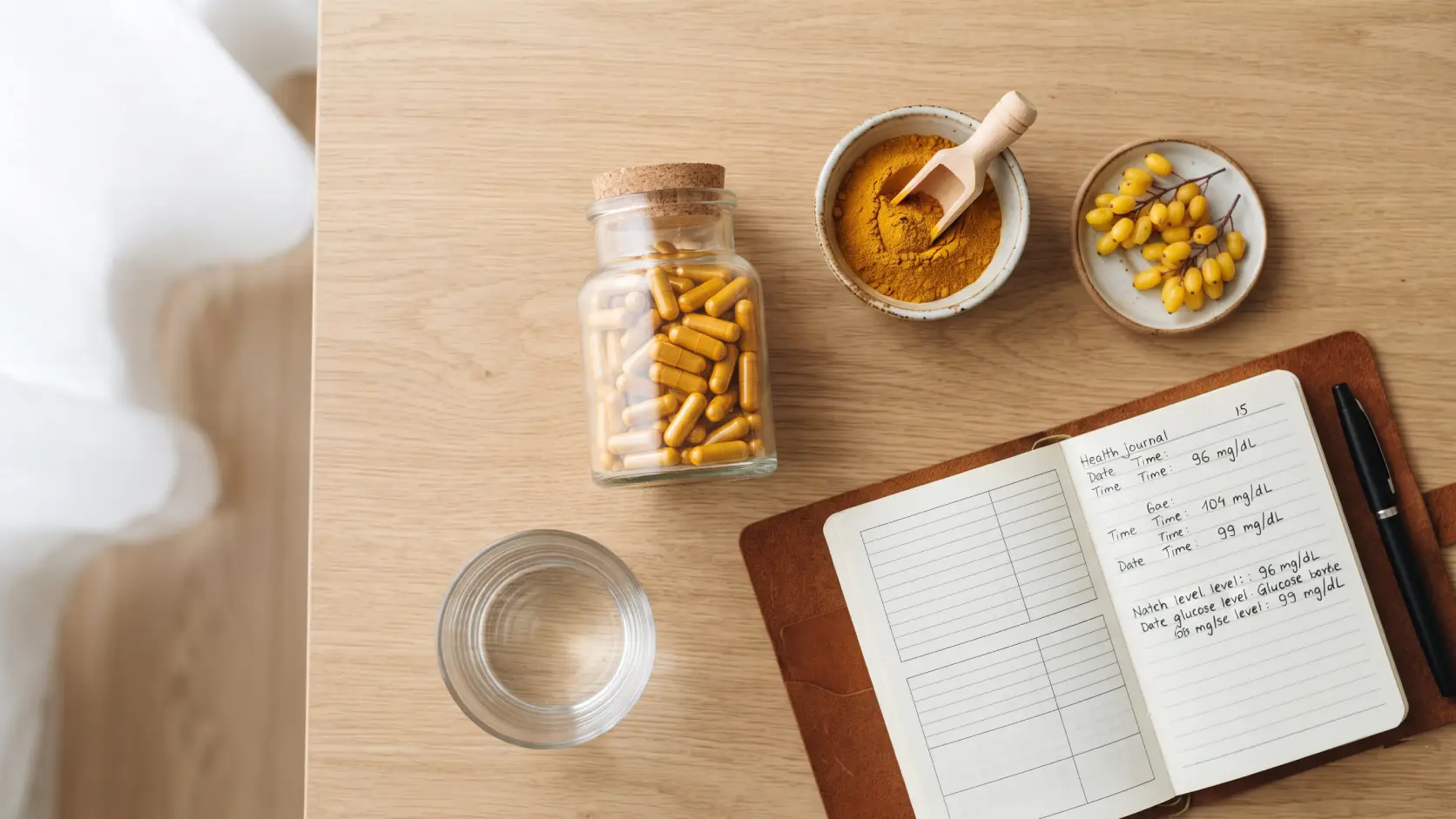
Berberine for Blood Sugar Support: Benefits, Dosage, and Safety
Often dubbed "nature's metabolic switch," Berberine activates AMPK enzymes to pull glucose out of your bloodstream and into cellular mitochondria. Explore human clinical trial data, optimal 500mg thrice-daily dosing protocols, and how to manage GI side effects safely.
Read article
Oral Probiotics for Gum Health: How They Work and What to Look For
Brushing and harsh antibacterial mouthwashes strip away the good bacteria your mouth needs to defend against plaque and gingivitis. Examine how targeted oral probiotics restore your dental microbiome, protect sensitive gums, and eliminate bad breath.
Read article
Lion's Mane Mushroom for Memory & Focus: What Science Shows
Brain fog, mental fatigue, and forgotten tasks often stem from declining Nerve Growth Factor (NGF). Explore how bioactive compounds in Lion’s Mane mushroom stimulate neuronal growth, sharp focus, and fit into modern brain health routines.
Read articleCompare Alternatives
Similar ingredients surfaced automatically from matching wellness categories and ingredient language.
Active Curcuminoids
Curcuminoids from Curcuma longa
Active Curcuminoids are concentrated turmeric compounds used in joint, antioxidant, recovery, and normal inflammatory-response supplement formulas.
Read MoreBerberine
Berberis species alkaloid
Berberine is a yellow plant alkaloid found in several botanicals and commonly discussed in metabolic, blood sugar, cholesterol, and gut-focused supplement formulas.
Read MoreBerberine HCl
Berberine hydrochloride
Berberine HCl is a common supplement form of berberine, used on labels for metabolic wellness, blood sugar support, and ingredient comparison.
Read MoreBitter Melon Extract
Momordica charantia
Bitter Melon Extract is a botanical ingredient from Momordica charantia used in blood sugar, metabolic, and traditional herbal supplement formulas.
Read MoreExplore By Health Needs
Browse live wellness categories connected to broader supplement goals.