Saffron Extract
Crocus sativus
Saffron extract is a botanical extract from Crocus sativus used in supplements for mood, emotional wellness, appetite-support, and eye-health positioning.
What Is Saffron Extract?
A guide to saffron extract, standardization, mood-support labels, and safety.
Saffron extract comes from the stigmas of Crocus sativus, the same plant used to produce the culinary spice saffron. Because saffron is labor-intensive and expensive, supplement labels often use concentrated extracts rather than large spice amounts. Saffron extract is commonly positioned around mood support, emotional wellness, appetite support, stress-related snacking, and eye-health formulas.
The most discussed saffron compounds include crocin, crocetin, picrocrocin, and safranal. Some products use branded or standardized extracts that disclose marker compounds or clinical-style serving sizes. This matters because saffron powder, culinary saffron, and standardized saffron extract are not identical. A strong label should explain the extract form, amount, and standardization rather than relying only on saffron's premium reputation.
Mood-support language requires responsibility. Saffron supplements should not be used as substitutes for mental-health care, antidepressants, therapy, or medical evaluation. People with depression, anxiety, bipolar disorder, suicidal thoughts, or medication use should speak with a qualified healthcare professional before using saffron extract. Supplement labels should avoid disease-treatment promises.
Saffron also appears in appetite and weight-management formulas. In that context, it may be positioned around emotional eating or snack control, but outcomes vary and should be paired with realistic nutrition habits. If a product combines saffron with stimulants, green tea, chromium, or other weight-management ingredients, the whole formula should be reviewed.
Safety depends on dose and individual context. Culinary saffron is used in foods, but concentrated extracts are different. High amounts may be unsafe, and saffron may not be appropriate during pregnancy or when combined with certain mood-related medications. Side effects can include digestive upset, headache, dizziness, sleepiness, or changes in mood or energy.
Suppriva presents saffron extract as an educational botanical profile. Readers should compare standardization, serving size, intended use, companion ingredients, and mental-health cautions before deciding whether a saffron-containing supplement fits their routine.
A useful way to read a Saffron Extract label is to separate ingredient identity from product promise. Ingredient identity includes the exact name, source, form, extract type, and serving size. Product promise is the marketing language around what the finished supplement is meant to support. This distinction helps shoppers compare products without assuming that every Saffron Extract formula is equivalent or that one ingredient can replace nutrition, sleep, movement, medical care, or a clinician-guided plan.
Saffron Extract may appear as a standalone ingredient, but it is often used inside a broader formula. Companion ingredients can change the intended audience, tolerability, and safety considerations. A product positioned for weight management, immune wellness, adaptogen support, mood education, or healthy aging may use the same ingredient name while creating a very different supplement experience. Always review the whole facts panel, not just the front label.
For Suppriva readers, the goal is practical ingredient literacy. Look for transparent amounts, clear directions, realistic claims, and safety language that acknowledges medication use, pregnancy, nursing, surgery, and health conditions. If a product hides key amounts in a proprietary blend or uses disease-treatment claims, it deserves extra caution. Supplements can support wellness routines, but they should not be used as substitutes for medical evaluation or prescribed treatment. A careful label review is especially useful when the same ingredient appears in multiple product categories with different audiences and claims.
How Saffron Extract Works
Saffron extract is used in mood, appetite, and eye-health supplement positioning.
Standardization Matters
Saffron extracts may disclose crocin, safranal, or branded extract forms to clarify quality and serving size.
Saffron extract contributes botanical compounds such as crocin, crocetin, and safranal depending on extract type. These compounds are often discussed in mood, emotional wellness, appetite, and eye-health research contexts.
Finished products vary widely. Some are standalone saffron extracts, while others combine saffron with magnesium, L-theanine, B vitamins, green tea, or weight-management ingredients.
Because saffron is often used in mood-related formulas, medication and mental-health context matter. It should not replace professional care.
Spice to Supplement
Saffron is one of the world's most labor-intensive spices, and supplements usually use concentrated extracts rather than culinary spice amounts.
Potential Saffron Extract Benefits
Benefits depend on formula quality, serving size, personal needs, and overall wellness routine.
Mood-Support Positioning
Commonly appears in emotional wellness formulas with careful, non-medical language.
Appetite Formula Context
Often used in products positioned around snacking and weight-management routines.
Eye-Health Interest
Appears in some vision-support formulas and antioxidant blends.
Premium Botanical Identity
Provides a recognizable spice-derived ingredient with strong label appeal.
Standardization Education
Encourages review of crocin, safranal, branded extracts, and serving size.
Safety-Aware Use
Highlights the importance of mental-health and medication review.
Saffron Extract Uses
Common wellness contexts where saffron extract appears.
Saffron Extract is commonly used in mood support, appetite-support, and eye-health supplement education. Product positioning should remain educational and should not imply disease treatment.
Supplement Formulas
Mood support, appetite-support, and eye-health supplement education
Label Research
Useful for comparing form, dose, standardization, and safety notes.
Wellness Education
Best understood as one part of a broader health routine.
Saffron Extract Sources
Where this ingredient naturally comes from or how it is typically sourced.
Saffron Extract is associated with crocus sativus stigmas. Supplement formats can differ from food, traditional, or clinical preparations, so label form and intended use matter.
When available, compare source material, extract type, serving size, standardization, and whether the formula uses transparent or proprietary amounts.
Crocus sativus Stigmas
The spice and extract source comes from saffron flower stigmas.
Standardized Extracts
Supplements may standardize for saffron marker compounds.
Mood and Appetite Blends
Often combined with calming nutrients or weight-management ingredients.
Typical Saffron Extract Dosage
Serving size depends on product form, label directions, and individual safety factors.
Saffron extract dosage depends on extract type and standardization. Follow the product label and avoid using high amounts beyond directions.
Mood-support and appetite-support products may use different serving strategies. Review whether the product is standalone or combined with stimulants, amino acids, vitamins, or botanicals.
People taking antidepressants, mood stabilizers, sedatives, blood pressure medications, or those with bipolar disorder, pregnancy, or nursing should seek professional guidance before use.
Saffron Extract Safety Information
Use label directions carefully and consider personal sensitivity, medication use, and health status.
Side Effects
- Nausea, stomach discomfort, or dry mouth may occur.
- Some users may experience headache, dizziness, or lightheadedness.
- Saffron may feel calming or sedating in some users.
- People with mood conditions should use professional guidance.
Saffron Extract Research Notes
A responsible summary of the research context.
Research on saffron extract varies by preparation, dose, and study design. Human evidence may be limited for some uses, so supplement labels should be interpreted carefully and without disease-treatment assumptions.
Evidence Context
Research quality depends on form, dose, population, and outcome measured.
Practical Use
Use supplements as supportive tools, not replacements for care.
Saffron Extract References
Trusted educational references used for responsible content framing.
NIH, NCCIH, and PubMed
General safety and research context for dietary supplement education.
Clinical Herb and Supplement References
Used to frame interactions, cautions, and label-awareness guidance.
Saffron Extract FAQs
Common questions about saffron extract supplements and label comparison.
It is a concentrated extract from Crocus sativus stigmas, the same plant used for culinary saffron.
It is commonly used in mood, emotional wellness, appetite-support, and eye-health formulas.
Found In Products
Published Suppriva products connected through the existing ingredient relationship table.
Related Blogs
Editorial resources automatically matched by ingredient, category, and wellness topic language.
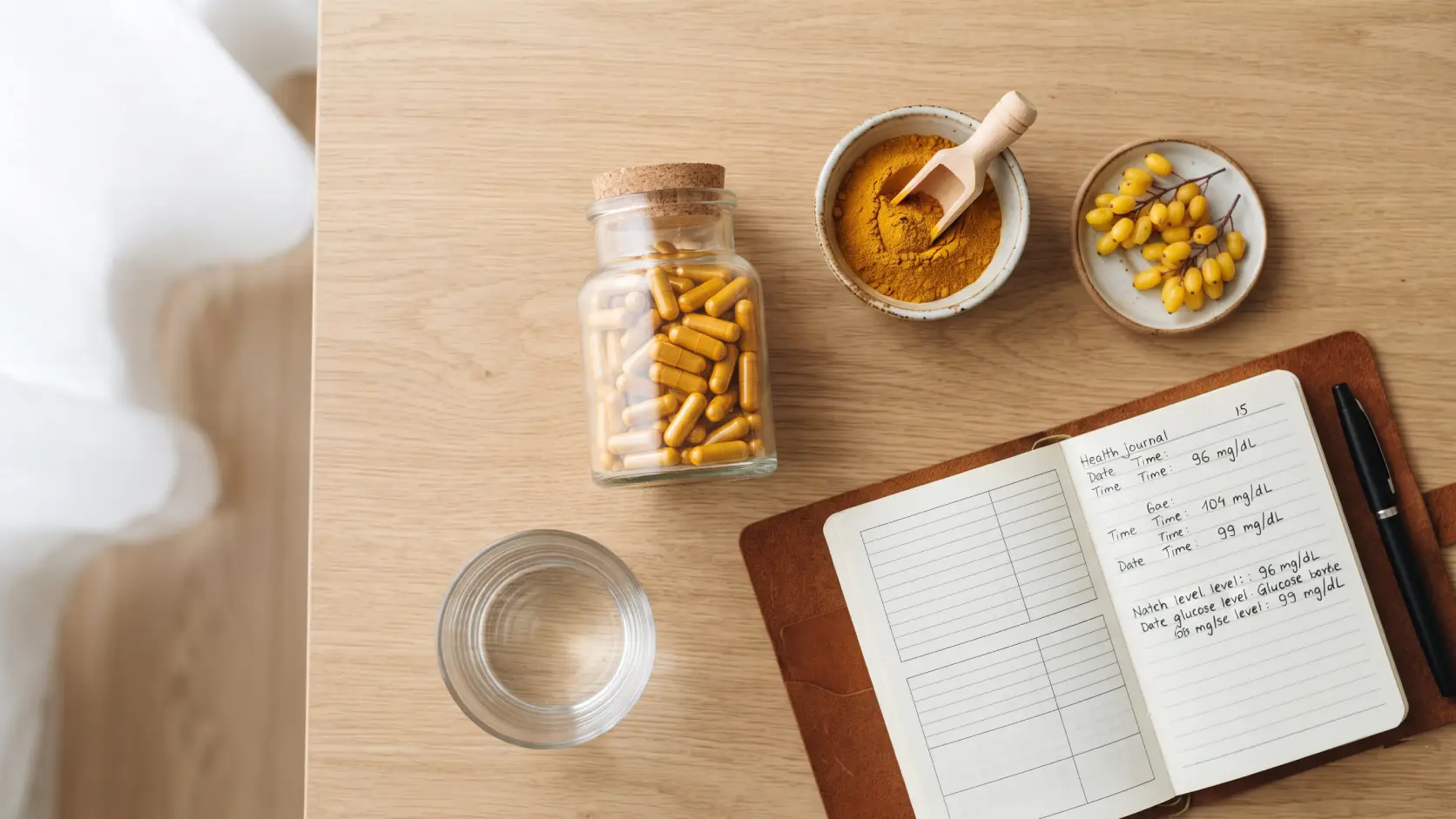
Berberine for Blood Sugar Support: Benefits, Dosage, and Safety
Often dubbed "nature's metabolic switch," Berberine activates AMPK enzymes to pull glucose out of your bloodstream and into cellular mitochondria. Explore human clinical trial data, optimal 500mg thrice-daily dosing protocols, and how to manage GI side effects safely.
Read article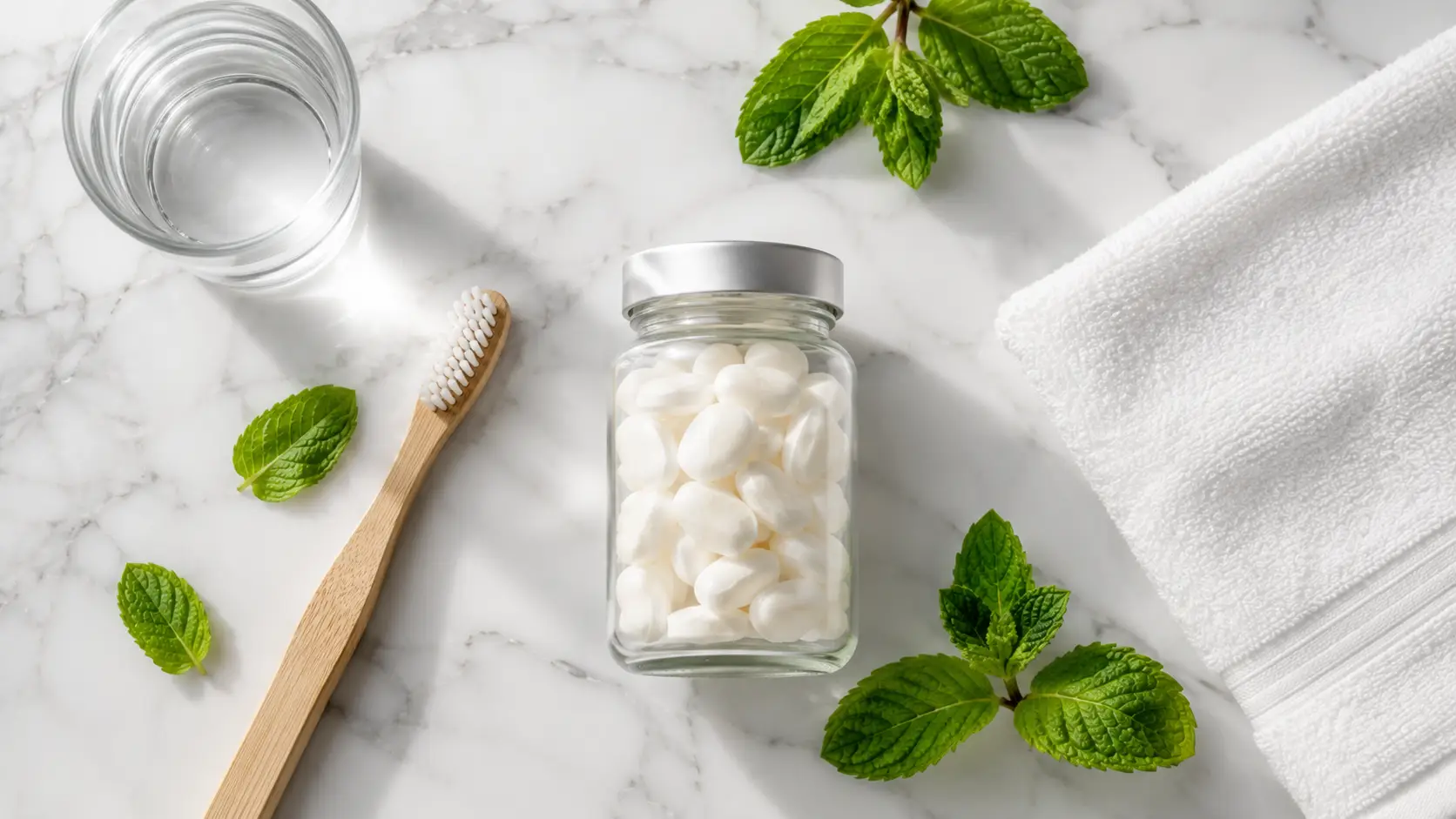
Oral Probiotics for Gum Health: How They Work and What to Look For
Brushing and harsh antibacterial mouthwashes strip away the good bacteria your mouth needs to defend against plaque and gingivitis. Examine how targeted oral probiotics restore your dental microbiome, protect sensitive gums, and eliminate bad breath.
Read article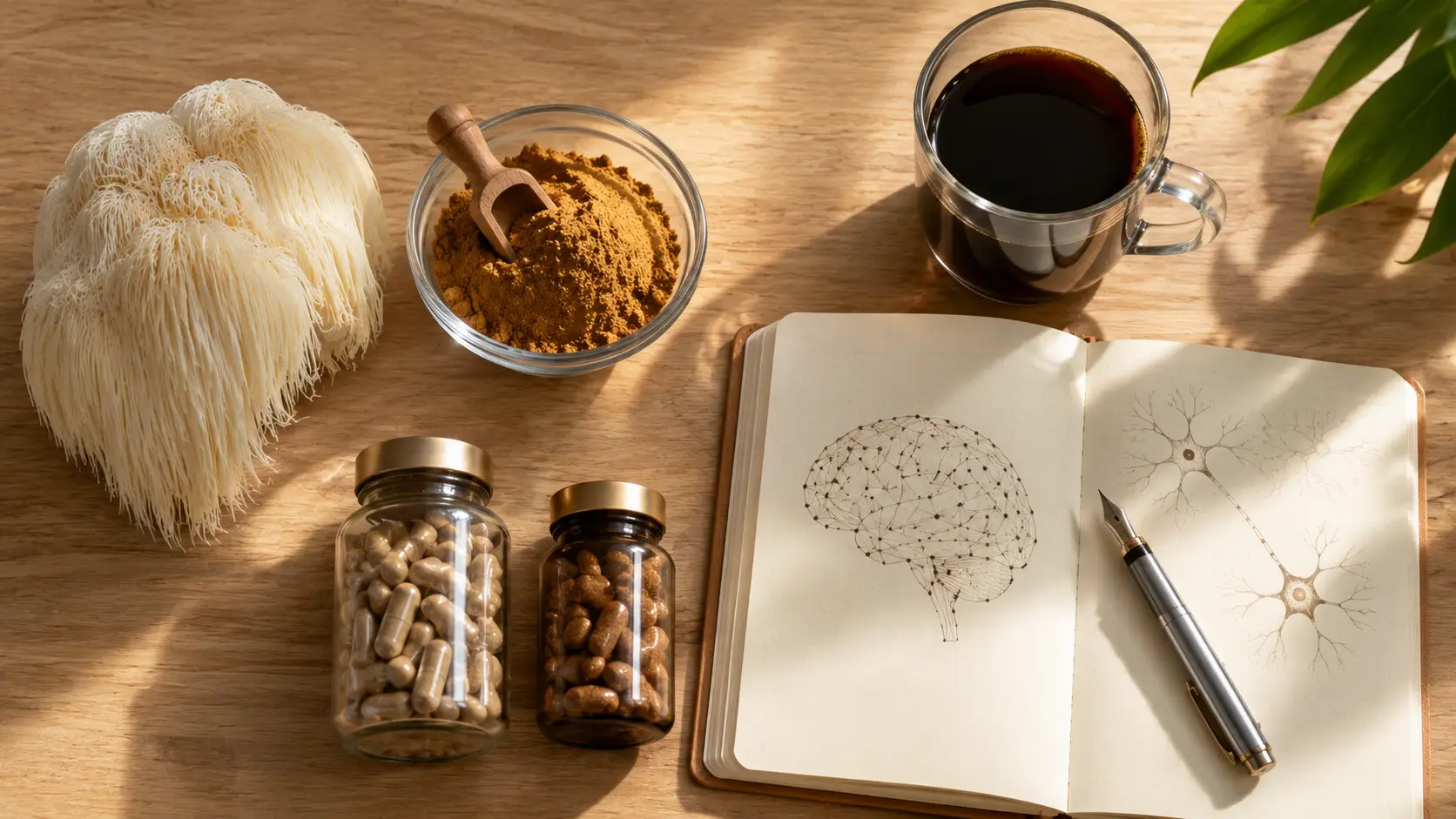
Lion's Mane Mushroom for Memory & Focus: What Science Shows
Brain fog, mental fatigue, and forgotten tasks often stem from declining Nerve Growth Factor (NGF). Explore how bioactive compounds in Lion’s Mane mushroom stimulate neuronal growth, sharp focus, and fit into modern brain health routines.
Read articleCompare Alternatives
Similar ingredients surfaced automatically from matching wellness categories and ingredient language.
Active Curcuminoids
Curcuminoids from Curcuma longa
Active Curcuminoids are concentrated turmeric compounds used in joint, antioxidant, recovery, and normal inflammatory-response supplement formulas.
Read MoreBerberine
Berberis species alkaloid
Berberine is a yellow plant alkaloid found in several botanicals and commonly discussed in metabolic, blood sugar, cholesterol, and gut-focused supplement formulas.
Read MoreBerberine HCl
Berberine hydrochloride
Berberine HCl is a common supplement form of berberine, used on labels for metabolic wellness, blood sugar support, and ingredient comparison.
Read MoreBitter Melon Extract
Momordica charantia
Bitter Melon Extract is a botanical ingredient from Momordica charantia used in blood sugar, metabolic, and traditional herbal supplement formulas.
Read MoreExplore By Health Needs
Browse live wellness categories connected to broader supplement goals.