Shilajit
Asphaltum punjabianum
Shilajit is a mineral-rich resin used in energy, vitality, men's wellness, and performance-oriented supplement formulas.
What Is Shilajit?
A specialty ingredient profile focused on purification, fulvic acid, and safety-aware label review.
Shilajit is an ingredient profile in Suppriva's wellness library, where readers can compare the source, supplement form, label language, safety context, and practical use of common dietary supplement ingredients. In product formulas, shilajit is usually included for vitality formulas, men's wellness, energy-support positioning, and performance supplement education. The most helpful labels explain the ingredient identity clearly, including the form used, serving size, standardization when relevant, and whether the ingredient is part of a broader blend.
This ingredient should be evaluated as part of the finished supplement, not in isolation. A formula that includes shilajit may also include vitamins, minerals, botanicals, amino acids, probiotics, enzymes, or branded complexes that change the intended audience and the safety profile. For that reason, two products can mention the same ingredient while supporting different wellness goals. Compare the supplement facts panel, the serving instructions, and the caution language before assuming two formulas are equivalent.
Shilajit is commonly discussed for fulvic acid, humic substances, and trace minerals, but product quality and purification are central safety considerations. This does not mean the ingredient treats, cures, or prevents disease. Suppriva presents ingredient information for education and label literacy, not as medical advice. People managing symptoms, using prescription medication, preparing for surgery, pregnant, nursing, or caring for children should use qualified healthcare guidance before relying on any supplement.
Quality markers matter. For botanicals and specialty ingredients, look for the plant part, extract ratio, standardized compounds, and third-party quality language. For minerals, look at the chemical form and the actual elemental amount. For mushroom ingredients, distinguish fruiting body, mycelium, extract, and whole powder. These details shape how a supplement is positioned and how confidently shoppers can compare one product to another.
The best use of shilajit is realistic and context-aware. It may support a wellness routine when paired with appropriate nutrition, sleep, movement, hydration, stress management, and professional care where needed. It should not be used to delay evaluation for persistent symptoms or to replace prescribed treatment. If a label uses exaggerated claims, hides amounts in proprietary blends, or makes disease-treatment promises, that product deserves extra caution.
For Suppriva readers, the goal is not hype. It is to understand what shilajit is, why it appears on supplement labels, what questions to ask, and when safety considerations should come first. Use this profile as a starting point for comparing product pages, ingredient combinations, and health-goal categories with a more informed eye.
A useful ingredient review separates three questions: what the ingredient is, what the formula is trying to support, and whether the product fits your personal context. Shilajit may be appropriate for some adults and unnecessary or unsuitable for others. Transparent labeling, conservative expectations, and professional guidance are especially important when combining supplements or using them alongside medication.
It also helps to check whether the product explains who should avoid the ingredient, how long the suggested routine is meant to last, and what other lifestyle steps are expected. Supplement benefits are often framed around support rather than guaranteed outcomes, so the most trustworthy product pages avoid absolute promises. If you are comparing multiple products that include shilajit, prioritize the one with clearer sourcing, safer directions, realistic claims, and enough context to understand the full formula.
How Shilajit Works
Shilajit is used in vitality formulas where source, purification, and testing matter more than hype.
Testing Is Essential
Responsible shilajit labels should emphasize purified material, contaminant testing, and clear serving directions.
Shilajit is a resinous material collected from mountainous regions and processed for supplement use. It is often positioned around energy, vitality, men's wellness, and performance routines.
Quality is the main issue. Because shilajit is naturally mineral-rich and sourced from the environment, products should be purified and tested for heavy metals, microbes, and adulterants. Raw shilajit should not be consumed casually.
Because shilajit is often used inside multi-ingredient products, shoppers should review the full formula and not judge safety or expected benefits from one ingredient name alone.
Purification Matters
Raw or poorly purified shilajit can contain contaminants, so supplement quality controls are especially important.
Potential Shilajit Benefits
Benefits depend on formula quality, serving size, personal needs, and the overall wellness routine.
Vitality Formula Context
Commonly used in energy and daily vitality supplement positioning.
Men's Wellness
Often appears in men's health and performance-oriented formulas.
Mineral-Rich Identity
Known for fulvic acid, humic substances, and trace mineral language.
Quality Awareness
Encourages review of purification and contaminant testing.
Performance Blends
Sometimes combined with adaptogens, minerals, or amino acids.
Label Comparison
Helps shoppers compare resin, powder, extract, and branded forms.
Shilajit Uses
Common wellness contexts where shilajit appears.
Shilajit is commonly used in vitality, energy-support, men's wellness, and performance supplement education. Product positioning should remain educational and should not imply disease treatment.
Supplement Formulas
Vitality, energy-support, men's wellness, and performance supplement education
Label Research
Useful for comparing form, dose, source, and safety notes.
Wellness Education
Best understood as one part of a broader health routine.
Shilajit Sources
Where this ingredient naturally comes from or how it is typically sourced.
Shilajit is a resin-like material associated with mountainous rock formations. Supplement products may use purified resin, powder, capsules, or standardized forms that disclose fulvic acid content.
When comparing supplements, review source material, extract type, serving size, standardization, and whether the formula uses transparent or proprietary amounts.
Purified Resin
A common supplement form when properly processed and tested.
Powder or Capsules
Convenient forms used in vitality formulas.
Standardized Extracts
Some labels disclose fulvic acid or branded ingredient forms.
Typical Shilajit Dosage
Serving size depends on product form, label directions, and individual safety factors.
Shilajit serving sizes vary by resin, powder, capsule, extract, and branded ingredient. More is not better, and raw material should be avoided unless properly purified and tested.
People with gout, high iron levels, kidney disease, blood pressure issues, diabetes medication use, pregnancy, or nursing should seek professional guidance before using shilajit.
Do not exceed label directions. People using medication, managing a medical condition, pregnant, nursing, or preparing for surgery should ask a qualified healthcare professional before use.
Shilajit Safety Information
Use shilajit with label directions, personal context, and medication awareness in mind.
Side Effects
- Nausea, stomach discomfort, or loose stool may occur.
- Some users may notice headache or lightheadedness.
- Poor-quality products may contain heavy metals or adulterants.
- Use caution with iron overload, gout, or kidney concerns.
Shilajit Research Notes
A responsible summary of the research context.
Research on shilajit varies by preparation, dose, population, and outcome measured. Ingredient evidence should be interpreted carefully and without disease-treatment assumptions.
Evidence Context
Research quality depends on form, dose, population, and outcome measured.
Practical Use
Use supplements as supportive tools, not replacements for care.
Shilajit References
Trusted educational references used for responsible content framing.
NIH, NCCIH, and PubMed
General safety and research context for dietary supplement education.
Clinical Herb and Supplement References
Used to frame interactions, cautions, and label-awareness guidance.
Shilajit FAQs
Common questions about shilajit supplements, label comparison, and safe use.
Shilajit is a mineral-rich resinous material used in vitality and men's wellness supplements.
It is commonly positioned around energy, vitality, performance, and men's wellness.
Related Blogs
Editorial resources automatically matched by ingredient, category, and wellness topic language.
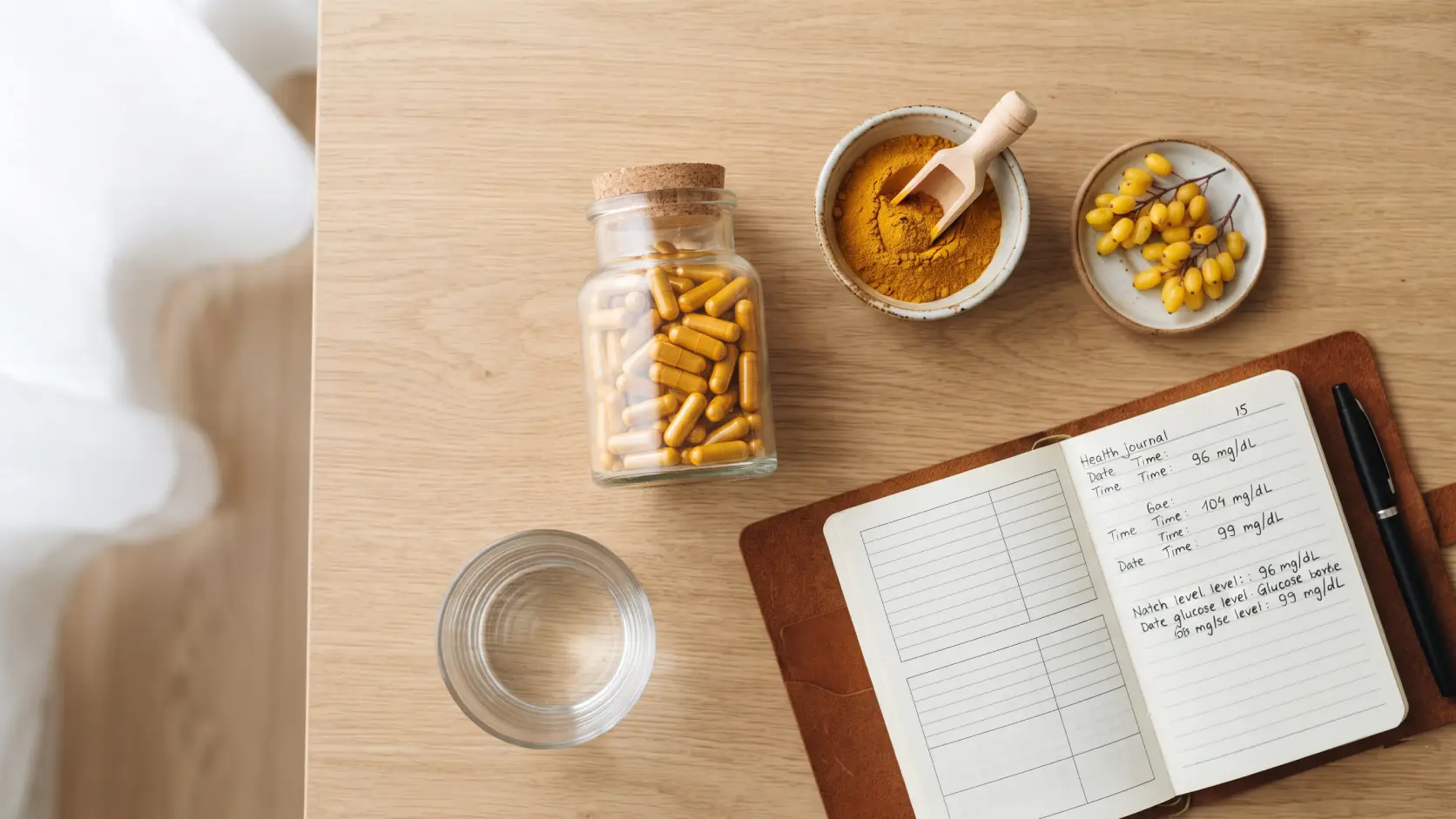
Berberine for Blood Sugar Support: Benefits, Dosage, and Safety
Often dubbed "nature's metabolic switch," Berberine activates AMPK enzymes to pull glucose out of your bloodstream and into cellular mitochondria. Explore human clinical trial data, optimal 500mg thrice-daily dosing protocols, and how to manage GI side effects safely.
Read article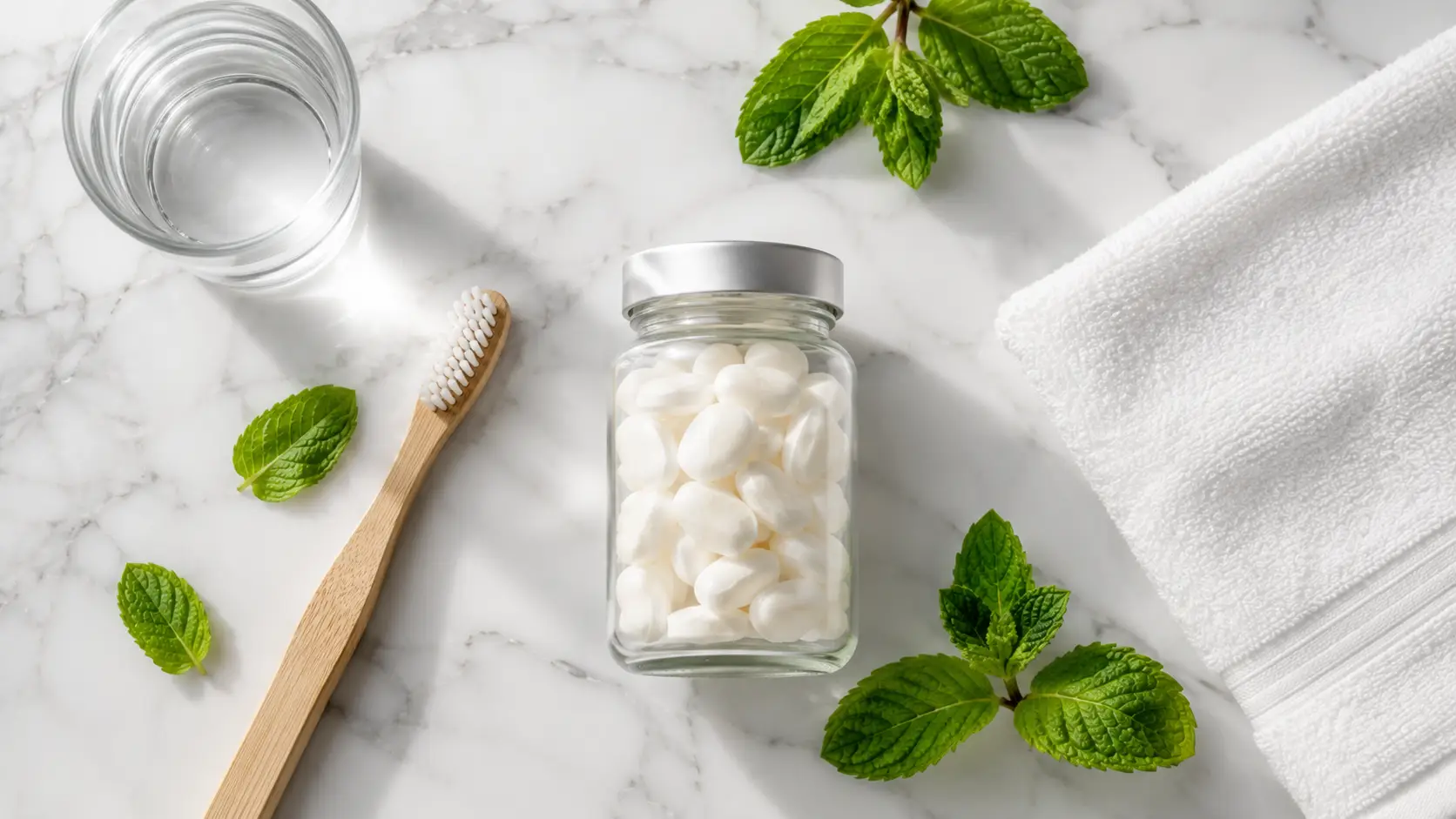
Oral Probiotics for Gum Health: How They Work and What to Look For
Brushing and harsh antibacterial mouthwashes strip away the good bacteria your mouth needs to defend against plaque and gingivitis. Examine how targeted oral probiotics restore your dental microbiome, protect sensitive gums, and eliminate bad breath.
Read article
Lion's Mane Mushroom for Memory & Focus: What Science Shows
Brain fog, mental fatigue, and forgotten tasks often stem from declining Nerve Growth Factor (NGF). Explore how bioactive compounds in Lion’s Mane mushroom stimulate neuronal growth, sharp focus, and fit into modern brain health routines.
Read articleCompare Alternatives
Similar ingredients surfaced automatically from matching wellness categories and ingredient language.
Betaine
Trimethylglycine
Betaine, also called trimethylglycine, is a naturally occurring compound used in methylation, homocysteine, sports performance, hydration, and digestive-support supplement contexts.
Read MoreBioFresh™ Clean Complex
Proprietary oral freshness blend
BioFresh Clean Complex is a proprietary blend name used in oral freshness and dental-wellness supplement contexts, best evaluated by its disclosed ingredient list and label transparency.
Read MoreBioPerine (Black Pepper Extract)
Piper nigrum extract standardized for piperine
BioPerine is a branded black pepper extract standardized for piperine and commonly used in formulas to support ingredient absorption and label differentiation.
Read MoreBlack Fungus
Auricularia polytricha
Black fungus is an edible mushroom ingredient used in supplement and food-based wellness formulas for fiber, polysaccharide, and antioxidant-focused support.
Read MoreExplore By Health Needs
Browse live wellness categories connected to broader supplement goals.