Spirulina
Arthrospira platensis
Spirulina is a nutrient-dense blue-green algae used in greens powders, antioxidant blends, and daily wellness supplements.
What Is Spirulina?
A blue-green algae profile for greens powders, protein, pigments, and contamination awareness.
Spirulina is included in Suppriva's ingredient library so readers can understand what the ingredient is, where it comes from, how it is commonly used in supplement labels, and what safety questions should be asked before use. In finished products, spirulina is usually positioned around greens powders, nutrient support, antioxidant blends, and plant-based wellness formulas. This profile is educational and should not be read as a claim that the ingredient diagnoses, treats, cures, or prevents disease.
The first step is ingredient identity. A product label should make clear whether it uses a whole-food powder, extract, oil, standardized material, or branded ingredient. That distinction matters because the same ingredient name can represent very different preparations. Serving size, extraction method, standardization, source quality, and companion ingredients all influence how the formula should be interpreted.
Spirulina provides plant-based protein, phycocyanin pigments, minerals, and naturally occurring nutrients, but quality testing is important because algae products can be contaminated if poorly sourced. This context can help shoppers compare formulas, but it does not replace clinical judgment. Evidence quality may vary by preparation, dose, study population, and outcome measured. Some ingredients have strong nutrition history as foods, while concentrated supplement forms require a separate safety review.
Safety is especially important when an ingredient appears in multiple product categories. It may be used in antioxidant blends, immune products, skin or oral-care products, digestive formulas, weight-management products, or general wellness supplements. The same ingredient may be appropriate in one context and unsuitable in another, especially for people using medication, managing a diagnosed condition, pregnant, nursing, preparing for surgery, or buying products for children.
A practical label review should ask five questions: What exact form is used? How much is provided per serving? Are active compounds or standardization disclosed? What other ingredients are included? Does the label provide realistic caution language? If a product hides important amounts in proprietary blends or promises disease-level results, that is a reason to slow down and compare alternatives.
It is also useful to separate food familiarity from supplement concentration. Many shoppers recognize spirulina from foods, oils, traditional preparations, or wellness trends, but a capsule, extract, powder, or topical formula may behave differently from everyday exposure. Processing can concentrate certain compounds, remove others, or add companion ingredients that change the product's purpose. This is why the supplement facts panel and usage directions matter more than the ingredient name by itself.
For daily wellness routines, spirulina should be viewed as one piece of a broader lifestyle picture. Nutrition, sleep, hydration, physical activity, stress management, and regular medical care matter more than any single supplement. If symptoms are persistent, severe, or unexplained, professional evaluation should come before self-directed supplementation.
Suppriva's goal is to make ingredient research easier. Use this page to understand the role spirulina may play in supplements, what benefits are commonly discussed, what cautions deserve attention, and how to compare product labels with more confidence. The best product choice is the one that fits your goal, uses transparent labeling, and respects your personal safety context.
When comparing products, look for plain-language explanations instead of dramatic claims. Responsible brands usually describe the ingredient's supportive role, list meaningful amounts, identify the source or extract type, and explain who should avoid use. A product that clearly states limitations is often easier to trust than one that promises fast results without context. Use this profile as a checklist for asking better questions before buying.
How Spirulina Works
Spirulina is used in greens and wellness formulas where sourcing and testing matter.
Quality Testing Matters
Algae products should be tested for heavy metals, microbes, and microcystin contamination.
Spirulina is commonly used in powders, tablets, capsules, and greens formulas. It contributes protein, pigments, and micronutrients, but amounts vary by serving size and product quality.
Because spirulina is grown in aquatic environments, sourcing and contaminant testing are central. Responsible labels should provide quality language rather than relying only on superfood claims.
Because spirulina may appear in broad formulas, evaluate the full supplement facts panel, not the ingredient name alone.
Colorful Pigment
Spirulina's blue-green color comes partly from phycocyanin, a pigment often highlighted in algae supplement marketing.
Potential Spirulina Benefits
Benefits depend on product form, formula quality, serving size, and individual context.
Greens Powder Fit
Commonly included in plant-based greens and daily wellness powders.
Antioxidant Pigments
Contains phycocyanin and other naturally occurring pigments.
Plant Protein Context
Provides plant-based protein in small supplemental amounts.
Quality Awareness
Encourages testing for contaminants and transparent sourcing.
Daily Energy Formulas
Often used in vitality, nutrition, and performance blends.
Label Comparison
Helps shoppers compare powder, tablet, serving size, and testing language.
Spirulina Uses
Common wellness contexts where spirulina appears.
Spirulina is commonly used in greens powders, daily nutrition blends, antioxidant wellness, and plant-based formulas. Product positioning should remain educational and should not imply disease treatment.
Supplement Formulas
Greens powders, daily nutrition blends, antioxidant wellness, and plant-based formulas
Label Research
Useful for comparing form, dose, source, and safety notes.
Wellness Education
Best understood as one part of a broader health routine.
Spirulina Sources
Where this ingredient naturally comes from or how it is typically sourced.
Spirulina is made from Arthrospira species cultivated for food and supplement use. It is sold as powder, tablets, capsules, and greens-blend ingredients.
Supplement forms may differ from food or traditional uses. Compare source material, processing, extraction, serving size, and safety directions before choosing a product.
Cultivated Algae
The source material used for spirulina powders and tablets.
Greens Powders
Common formula type where spirulina appears.
Tablets and Capsules
Convenient standalone spirulina formats.
Typical Spirulina Dosage
Serving size depends on the preparation, label directions, and safety considerations.
Spirulina serving sizes vary from small tablets to larger powder scoops. A greens powder may include spirulina as one ingredient among many, while standalone products may provide larger amounts.
Choose products with contaminant testing. People with autoimmune disease, phenylketonuria, seafood or algae sensitivity, pregnancy, nursing, or medication use should seek professional guidance.
Do not exceed label directions. People using medication, managing a health condition, pregnant, nursing, buying for children, or preparing for surgery should ask a qualified healthcare professional before use.
Spirulina Safety Information
Review spirulina safety based on product form, dose, personal health status, and medication use.
Side Effects
- Gas, nausea, or stomach discomfort may occur.
- Algae sensitivity may cause itching, rash, or breathing concerns.
- Poor-quality products may contain heavy metals or toxins.
- Use caution with autoimmune conditions or immune-related medication.
Spirulina Research Notes
A responsible summary of the research context.
Research on spirulina varies by preparation, dose, population, and outcome measured. Ingredient evidence should be interpreted carefully and without disease-treatment assumptions.
Evidence Context
Research quality depends on form, dose, population, and outcome measured.
Practical Use
Use supplements as supportive tools, not replacements for care.
Spirulina References
Trusted educational references used for responsible content framing.
NIH, NCCIH, and PubMed
General safety and research context for dietary supplement education.
Clinical Herb and Supplement References
Used to frame interactions, cautions, and label-awareness guidance.
Spirulina FAQs
Common questions about spirulina supplements and label comparison.
Spirulina is a blue-green algae used in powders, tablets, capsules, and greens formulas.
It is commonly used for daily wellness, greens powders, plant protein context, and antioxidant-pigment positioning.
Related Blogs
Editorial resources automatically matched by ingredient, category, and wellness topic language.
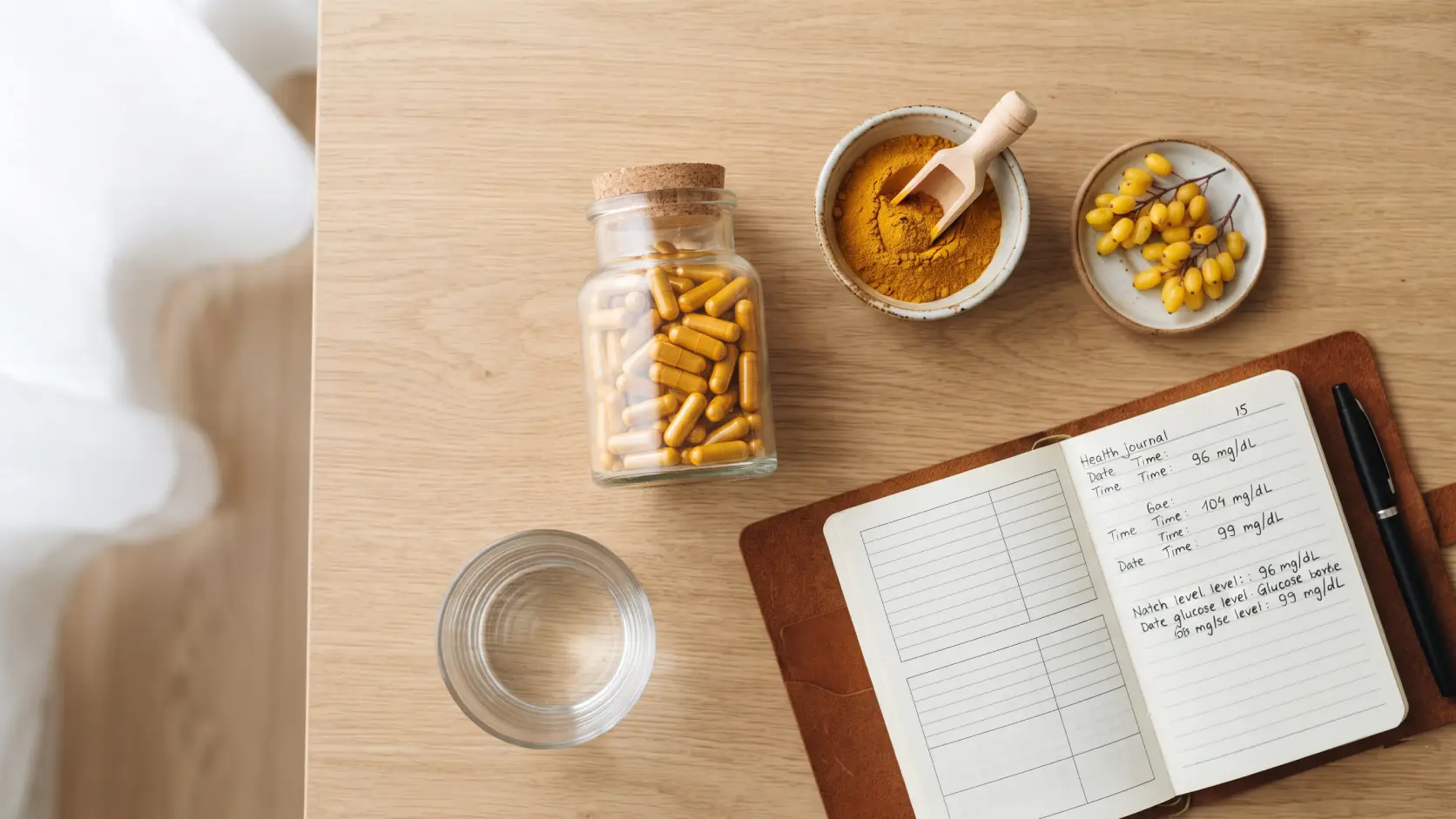
Berberine for Blood Sugar Support: Benefits, Dosage, and Safety
Often dubbed "nature's metabolic switch," Berberine activates AMPK enzymes to pull glucose out of your bloodstream and into cellular mitochondria. Explore human clinical trial data, optimal 500mg thrice-daily dosing protocols, and how to manage GI side effects safely.
Read article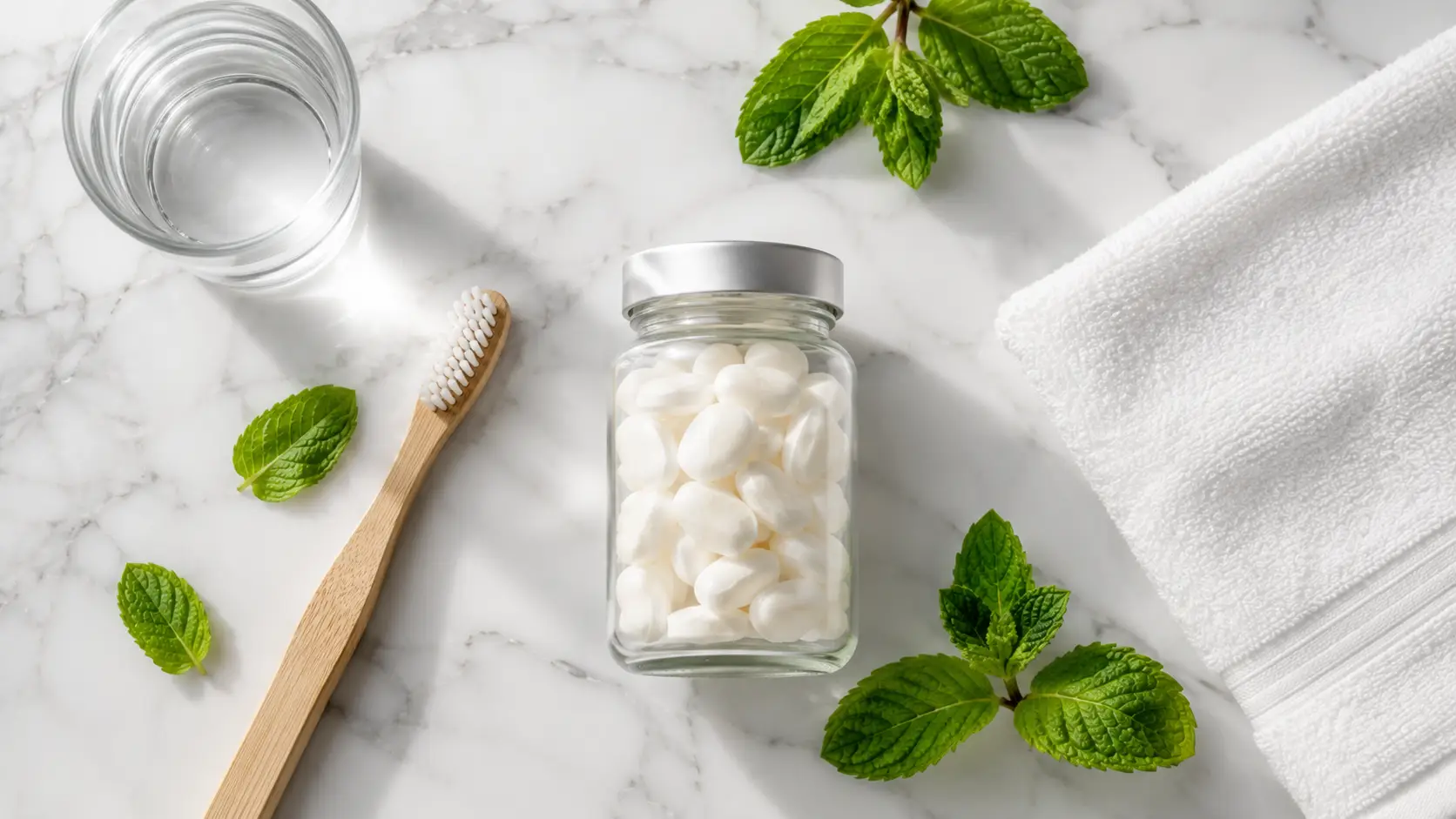
Oral Probiotics for Gum Health: How They Work and What to Look For
Brushing and harsh antibacterial mouthwashes strip away the good bacteria your mouth needs to defend against plaque and gingivitis. Examine how targeted oral probiotics restore your dental microbiome, protect sensitive gums, and eliminate bad breath.
Read article
Lion's Mane Mushroom for Memory & Focus: What Science Shows
Brain fog, mental fatigue, and forgotten tasks often stem from declining Nerve Growth Factor (NGF). Explore how bioactive compounds in Lion’s Mane mushroom stimulate neuronal growth, sharp focus, and fit into modern brain health routines.
Read articleCompare Alternatives
Similar ingredients surfaced automatically from matching wellness categories and ingredient language.
Betaine
Trimethylglycine
Betaine, also called trimethylglycine, is a naturally occurring compound used in methylation, homocysteine, sports performance, hydration, and digestive-support supplement contexts.
Read MoreBioFresh™ Clean Complex
Proprietary oral freshness blend
BioFresh Clean Complex is a proprietary blend name used in oral freshness and dental-wellness supplement contexts, best evaluated by its disclosed ingredient list and label transparency.
Read MoreBioPerine (Black Pepper Extract)
Piper nigrum extract standardized for piperine
BioPerine is a branded black pepper extract standardized for piperine and commonly used in formulas to support ingredient absorption and label differentiation.
Read MoreBlack Fungus
Auricularia polytricha
Black fungus is an edible mushroom ingredient used in supplement and food-based wellness formulas for fiber, polysaccharide, and antioxidant-focused support.
Read MoreExplore By Health Needs
Browse live wellness categories connected to broader supplement goals.