5-HTP
5-Hydroxytryptophan
5-HTP is a dietary supplement ingredient commonly researched for its role as a serotonin precursor. Suppriva reviews it through an educational lens, including how it may fit into sleep, mood, and relaxation-focused wellness routines.
What Is 5-HTP?
A practical look at how this serotonin-supporting ingredient is commonly discussed in wellness and supplement education.
5-HTP, short for 5-hydroxytryptophan, is a compound the body naturally makes from the amino acid tryptophan. It sits in an important metabolic pathway: tryptophan can be converted into 5-HTP, and 5-HTP can then be converted into serotonin. Because serotonin is involved in mood, appetite signaling, relaxation, and sleep-wake biology, 5-HTP has become a common ingredient in supplements positioned around sleep preparation, emotional wellness, and calmer evening routines.
In supplement form, 5-HTP is often sourced from the seeds of Griffonia simplicifolia, a West African plant. The ingredient is usually sold as capsules or tablets, sometimes as a standalone product and sometimes alongside calming ingredients such as magnesium, L-theanine, melatonin, valerian, or passionflower. Suppriva evaluates 5-HTP as an ingredient rather than as a promise. The goal is to help readers understand what the ingredient is, why it appears in formulas, and what safety questions should be considered before use.
The main reason people research 5-HTP is its relationship to serotonin production. Serotonin does not work in isolation, and wellness outcomes are influenced by sleep habits, stress load, diet, medications, health conditions, and individual biology. For that reason, responsible supplement education should avoid presenting 5-HTP as a guaranteed solution. It is better understood as a targeted ingredient that may be relevant to certain routines, especially when someone is comparing labels built around relaxation, mood support, or sleep quality.
5-HTP is different from general calming herbs because it is directly connected to serotonin pathways. That makes it useful to understand, but it also makes safety more important. A product may look gentle because it is sold as a dietary supplement, yet it can still overlap with prescription antidepressants, migraine medicines, sleep aids, sedatives, or other products that influence mood and sleep biology. The most responsible approach is to compare the label, dose, added ingredients, and caution statements before deciding whether it belongs in a routine.
5-HTP also deserves careful safety review. Because it may influence serotonin pathways, it should be approached cautiously by people who take antidepressants, migraine medications, mood-related prescriptions, or other serotonergic supplements. Combining serotonin-active substances can raise the risk of unwanted effects and should be discussed with a qualified healthcare professional. Commonly discussed side effects include nausea, digestive discomfort, drowsiness, vivid dreams, headache, or changes in sleep patterns.
For shoppers comparing supplement formulas, useful questions include: Is the 5-HTP dose clearly listed? Is it a standalone formula or part of a blend? Are there additional sedating or serotonin-related ingredients? Does the label explain timing and caution statements? Is the brand transparent about serving size and intended use? Does the product make realistic educational claims instead of promising emotional or sleep outcomes? Answering those questions can make 5-HTP easier to evaluate within a broader wellness routine.
This profile is educational only and should not be used as personal medical advice. Anyone who is pregnant, nursing, managing a medical condition, taking prescription medication, or unsure whether 5-HTP fits their routine should speak with a healthcare professional before using it.
For best comparison, readers should also consider sleep hygiene, caffeine intake, evening screen exposure, stress routines, and medication context before attributing results to any single supplement ingredient.
How 5-HTP Works
Understanding the serotonin pathway helps explain why 5-HTP appears in sleep and mood-support formulas.
Serotonin Precursor Pathway
5-HTP is commonly described as a direct precursor to serotonin. The body can convert 5-HTP into serotonin, a neurotransmitter involved in mood regulation, relaxation, appetite signaling, and sleep-related biology.
5-HTP is part of a natural pathway that begins with tryptophan, an essential amino acid found in protein-containing foods. The body can convert tryptophan into 5-HTP, and then convert 5-HTP into serotonin. Because serotonin is involved in several nervous system functions, 5-HTP is often included in supplements designed around sleep preparation, relaxation, and emotional wellness support.
This pathway is the main educational reason 5-HTP receives attention. Serotonin plays a role in mood signaling and also connects indirectly with melatonin biology, since melatonin is produced from serotonin through additional steps. That relationship helps explain why some people compare 5-HTP with nighttime ingredients, though it should not be treated as interchangeable with melatonin or as a guaranteed sleep aid.
The practical effect of 5-HTP can vary. Individual response may depend on baseline nutrition, stress, sleep habits, medication use, digestive tolerance, dose, timing, and the presence of other ingredients in a formula. Some people may find serotonin-supporting ingredients too calming or may experience digestive discomfort. Others may not notice a clear effect.
Safety is especially important because serotonin pathways are also affected by many medications. Antidepressants, certain migraine medications, and other serotonin-active products may not be appropriate to combine with 5-HTP unless a qualified clinician has reviewed the situation. For supplement comparison, 5-HTP should be evaluated with both potential benefits and interaction risks in mind.
Ingredient Insight
5-HTP is one step closer to serotonin than tryptophan in the body's natural conversion pathway. That is why it is often discussed differently from general amino acid supplements and why medication interactions deserve special attention.
Potential Benefits of 5-HTP
Educational benefits commonly discussed in relation to serotonin support, sleep preparation, and relaxation routines.
Sleep Preparation Support
5-HTP is often researched in evening routines because serotonin is connected to sleep-related biology and downstream melatonin production.
Mood Pathway Support
As a serotonin precursor, 5-HTP is commonly discussed in the context of emotional wellness and balanced mood signaling.
Relaxation Routine Fit
Many formulas position 5-HTP alongside calming ingredients for people comparing relaxation-focused supplement stacks.
Appetite Signaling Context
Serotonin is involved in appetite-related signaling, which is why 5-HTP sometimes appears in wellness formulas tied to cravings or routine consistency.
Clear Label Comparison
Because 5-HTP is usually listed with a defined milligram amount, it can be easier to compare across formulas than vague proprietary blends.
Targeted Ingredient Education
Understanding 5-HTP helps shoppers ask better questions about timing, serving size, sedating ingredients, and serotonin-related safety cautions.
Typical Dosage
Common serving ranges are discussed for education only; individual needs and safety factors vary.
5-HTP dosage varies widely by product, intended use, timing, and individual tolerance. Many supplement labels commonly list servings in the 50 mg to 200 mg range, although some products may use lower or higher amounts. These ranges are educational observations from typical supplement guidance and should not be interpreted as a personal recommendation.
People comparing 5-HTP products should review the full Supplement Facts panel rather than focusing only on the front label. Important details include the amount of 5-HTP per serving, whether the product is standalone or part of a blend, suggested timing, serving frequency, and any caution language related to medications or drowsiness.
Starting any serotonin-active supplement should be approached carefully. Individual response can differ, and more is not always better. People taking medications, managing mood disorders, preparing for surgery, pregnant or nursing individuals, and anyone with a medical condition should speak with a healthcare professional before using 5-HTP. If a product causes uncomfortable effects such as nausea, unusual drowsiness, agitation, or sleep disruption, the label directions and professional guidance should be reviewed.
Safety Information
Key cautions to review before considering 5-HTP as part of a wellness routine.
Side Effects
- Nausea, stomach upset, heartburn, or loose stools are among the commonly discussed side effects.
- 5-HTP may feel calming or sedating for some people, especially when combined with sleep-focused ingredients.
- Some users report headache, vivid dreams, or feeling unsettled, depending on dose and individual sensitivity.
- Unusual agitation, confusion, sweating, rapid heartbeat, or severe symptoms require prompt medical attention.
Drug Interactions
- Antidepressants such as SSRIs, SNRIs, MAOIs, tricyclic antidepressants, or other medications that affect serotonin should not be combined with 5-HTP unless a clinician approves.
- Migraine medications in the triptan class may also affect serotonin pathways and should be reviewed with a healthcare professional.
- Sedatives, sleep aids, alcohol, or formulas containing multiple calming ingredients may increase drowsiness or next-day grogginess.
- Herbal or supplemental products that may influence serotonin or sedation, such as St. John's wort, SAM-e, melatonin, valerian, or tryptophan, should be reviewed before stacking.
Who Should Avoid
- People taking antidepressants, migraine medications, or other serotonin-active prescriptions unless supervised by a qualified healthcare professional.
- Pregnant or nursing individuals unless specifically advised by a clinician.
- People with bipolar disorder, significant mood disorders, or a history of serotonin syndrome unless medically supervised.
- Anyone scheduled for surgery or using sedating medications should ask a healthcare professional before use.
- Children and adolescents should not use 5-HTP unless directed by a qualified pediatric healthcare professional.
Frequently Asked Questions
Educational answers to common questions about 5-HTP, serotonin support, and supplement safety.
5-HTP stands for 5-hydroxytryptophan. It is a compound the body can make from tryptophan and then convert into serotonin.
5-HTP is commonly included in supplements because of its role as a serotonin precursor. It often appears in formulas positioned around sleep preparation, relaxation, mood support, or appetite-related wellness routines.
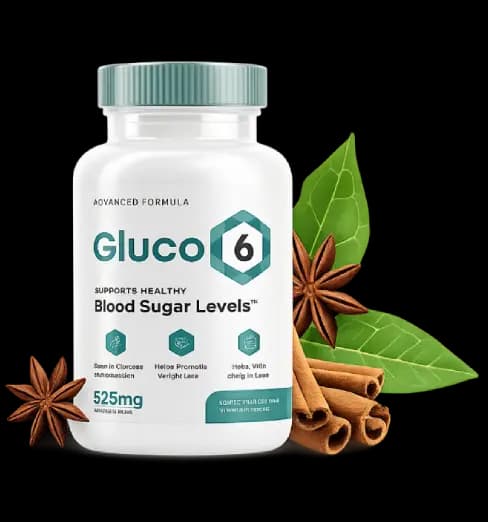
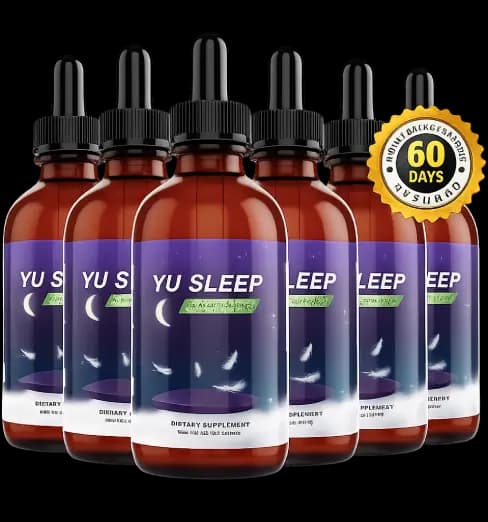
Found In Products
Published Suppriva products connected through the existing ingredient relationship table.
Related Blogs
Editorial resources automatically matched by ingredient, category, and wellness topic language.

Berberine for Blood Sugar Support: Benefits, Dosage, and Safety
Often dubbed "nature's metabolic switch," Berberine activates AMPK enzymes to pull glucose out of your bloodstream and into cellular mitochondria. Explore human clinical trial data, optimal 500mg thrice-daily dosing protocols, and how to manage GI side effects safely.
Read article
Oral Probiotics for Gum Health: How They Work and What to Look For
Brushing and harsh antibacterial mouthwashes strip away the good bacteria your mouth needs to defend against plaque and gingivitis. Examine how targeted oral probiotics restore your dental microbiome, protect sensitive gums, and eliminate bad breath.
Read article
Lion's Mane Mushroom for Memory & Focus: What Science Shows
Brain fog, mental fatigue, and forgotten tasks often stem from declining Nerve Growth Factor (NGF). Explore how bioactive compounds in Lion’s Mane mushroom stimulate neuronal growth, sharp focus, and fit into modern brain health routines.
Read articleCompare Alternatives
Similar ingredients surfaced automatically from matching wellness categories and ingredient language.
Ashwagandha (KSM-66)
Withania somnifera
Ashwagandha is an adaptogenic root extract used in stress, relaxation, sleep, and performance-support supplement education.
Read MoreCalifornia Poppy Seed
Eschscholzia californica
California Poppy Seed refers to a calming botanical ingredient associated with relaxation, sleep-support blends, and nervous-system wellness formulas.
Read MoreMagnesium Glycinate
Magnesium bisglycinate chelate
Magnesium Glycinate is a chelated magnesium form paired with glycine and commonly used in gentle mineral, relaxation, and evening wellness formulas.
Read MoreMelatonin
N-acetyl-5-methoxytryptamine
Melatonin is a hormone-like sleep timing compound used in supplements to support occasional sleep schedule adjustment and bedtime routines.
Read MoreExplore By Health Needs
Browse live wellness categories connected to broader supplement goals.