Passionflower
Passiflora incarnata
Passionflower is a calming botanical traditionally used in sleep, relaxation, and stress-support supplement formulas.
Passionflower Overview
A practical guide to passionflower for calm-focused formulas, sleep blends, and safety awareness.
Passionflower is a botanical ingredient from Passiflora incarnata, a climbing plant traditionally used in calming teas and herbal formulas. In modern supplements, it appears in sleep blends, stress-support capsules, relaxation tinctures, and formulas designed for evening routines. It is most often positioned around calm, occasional tension, and sleep quality support. Responsible language matters: passionflower should not be presented as a treatment for anxiety disorders, insomnia, panic attacks, depression, or withdrawal symptoms.
The most important label detail is context. Passionflower may appear alone, but it is commonly blended with valerian, lemon balm, chamomile, magnesium, L-theanine, GABA, hops, or melatonin. These combinations may be useful for some people, but they can also increase drowsiness. A user comparing products should look at the whole formula, serving size, extract type, alcohol content in tinctures, timing directions, and warnings about driving or medication use.
Passionflower is often discussed in relation to GABA-related calming pathways, although supplement effects depend on extract quality, dose, and individual sensitivity. Some users may find it gently relaxing, while others may feel sleepy, lightheaded, or unaffected. Because sleep and stress concerns can have many causes, passionflower works best as part of a broader routine that includes consistent sleep timing, reduced late caffeine, light management, and medical evaluation when symptoms are persistent.
Safety requires care. Passionflower may cause drowsiness, dizziness, confusion, nausea, or coordination changes in some users. It may increase the effects of sedatives, sleep medications, benzodiazepines, barbiturates, alcohol, antihistamines, opioids, and other calming supplements. It should generally be avoided before surgery unless a clinician provides direction. Pregnant users should avoid passionflower unless specifically advised by a qualified healthcare professional.
For Suppriva readers, passionflower is a label literacy ingredient for the sleep and relaxation category. It helps shoppers understand why calming formulas can feel different depending on herb combinations and timing. A product that pairs passionflower with melatonin is different from a daytime stress formula with L-theanine, and both are different from a tincture used as needed.
Passionflower can be an interesting botanical for people researching gentle relaxation support, but it should not replace diagnosis or treatment. If anxiety, panic, insomnia, mood symptoms, or daytime impairment are ongoing, a healthcare professional should be involved.
A useful way to research Passionflower is to compare the ingredient form, serving size, supporting ingredients, and safety language together. Many supplement labels use similar front-of-bottle claims while relying on very different formulas behind the scenes. Suppriva's ingredient library is designed to help readers slow down, read the facts panel, and understand whether passionflower is being used as a primary ingredient, a supporting ingredient, or part of a broader blend.
People also respond differently to the same ingredient because of age, diet, medications, health conditions, dose, consistency, and product quality. For that reason, Passionflower should be viewed as an educational wellness ingredient rather than a guaranteed result. Anyone managing a medical condition, taking prescription medication, preparing for surgery, pregnant, nursing, or buying for a child should speak with a qualified healthcare professional before starting a new supplement.
For shoppers, the strongest labels explain what form is used, why the dose was chosen, and how the ingredient fits the complete formula. This makes it easier to compare products without relying only on marketing language.
How Passionflower Works
Passionflower is studied for calming pathways, but it should be used carefully with sedating medications.
Relaxation support, not sedation replacement
Passionflower belongs in calming formulas, but persistent anxiety or insomnia needs professional evaluation.
Passionflower contains flavonoids and other plant compounds studied in relation to calming pathways and nervous system signaling.
Its effects are usually discussed as gentle relaxation support rather than forceful sedation. Still, formulas that combine multiple calming ingredients can increase drowsiness.
Because the ingredient is often used in evening formulas, users should pay attention to timing, driving cautions, alcohol use, and medication interactions.
Calming Botanical
Passionflower is often paired with valerian, lemon balm, chamomile, magnesium, or GABA, so the full formula matters as much as the herb itself.
Potential Passionflower Benefits
Benefits depend on dose, form, product quality, and overall wellness routine.
Relaxation Formula Context
Commonly used in sleep and calming blends designed for evening routines.
Traditional Botanical Use
Helps users understand a long-used calming herb in modern supplement labels.
Blend Comparison
Useful for comparing formulas with valerian, lemon balm, chamomile, magnesium, GABA, or melatonin.
Sedation Safety Review
Highlights medication, alcohol, surgery, and driving cautions.
Evening Routine Fit
Best evaluated by timing instructions and whether the product is meant for day or night use.
Calm Education
Supports informed research without treating anxiety or insomnia as supplement-only issues.
Passionflower Uses
Common wellness contexts where passionflower appears.
Passionflower is commonly used in relaxation formulas, occasional sleep support, and calming botanical label comparison. Product positioning should remain educational and should not imply disease treatment.
Supplement Formulas
Relaxation formulas, occasional sleep support, and calming botanical label comparison
Label Research
Useful for comparing form, dose, and safety notes.
Wellness Education
Best understood as one part of a broader routine.
Passionflower Sources
Where this ingredient naturally comes from or how it is typically sourced.
Passionflower is typically associated with passionflower aerial parts. Supplement formats can differ from food, traditional, or clinical preparations, so label form and intended use matter.
Primary Source
Passionflower aerial parts
Common Form
Capsule, tea, tincture, extract, sleep blend
Label Check
Review serving size, source, form, safety directions, and combination ingredients.
Typical Passionflower Dosage
Serving size depends on product form, label directions, and individual safety factors.
Passionflower dosage varies by tea, tincture, capsule, and extract. Label directions may differ greatly depending on concentration and whether it is used alone or in a blend.
Use caution before driving or operating machinery. Do not combine with alcohol, sedatives, or sleep medications unless directed by a healthcare professional.
Passionflower Safety Information
Use label directions carefully and consider personal sensitivity, medication use, and health status.
Side Effects
- Passionflower may cause sleepiness or reduced alertness, especially in blends.
- Some users may feel lightheaded or less coordinated.
- Nausea, stomach discomfort, or mild digestive changes may occur.
- Sensitive users may feel mentally foggy, especially with sedatives or alcohol.
Drug Interactions
- Use caution with sedatives, benzodiazepines, barbiturates, sleep medications, opioids, antihistamines, and alcohol.
- Avoid stacking with multiple calming supplements unless reviewed by a professional.
- Tell clinicians about passionflower before surgery or procedures involving anesthesia.
- Discuss use with a healthcare professional if taking psychiatric, seizure, or sleep-related medications.
Who Should Avoid
- Pregnant or nursing users unless specifically advised by a qualified clinician.
- People using sedatives, sleep medications, alcohol, or opioids without professional guidance.
- People who need to drive or operate machinery after use.
- Anyone preparing for surgery without medical review.
- People with persistent anxiety, insomnia, or mood symptoms who have not been evaluated.
Passionflower Research Notes
A responsible summary of the research context.
Research on passionflower varies by preparation, dose, and study design. Human evidence may be limited for some uses, so supplement labels should be interpreted carefully and without disease-treatment assumptions.
Evidence Context
Research quality depends on form, dose, and population studied.
Practical Use
Use supplements as supportive tools, not replacements for care.
Passionflower References
Trusted educational references used for responsible content framing.
NIH and PubMed
General safety and research context for dietary supplement education.
Clinical Herb and Supplement References
Used to frame interactions, cautions, and label-awareness guidance.
Passionflower FAQs
Common questions about passionflower supplements and label comparison.
Passionflower is a botanical from Passiflora incarnata commonly used in calming, relaxation, and sleep-support supplements.
It often appears in sleep blends, but it should not replace medical evaluation for chronic insomnia.
Related Blogs
Editorial resources automatically matched by ingredient, category, and wellness topic language.
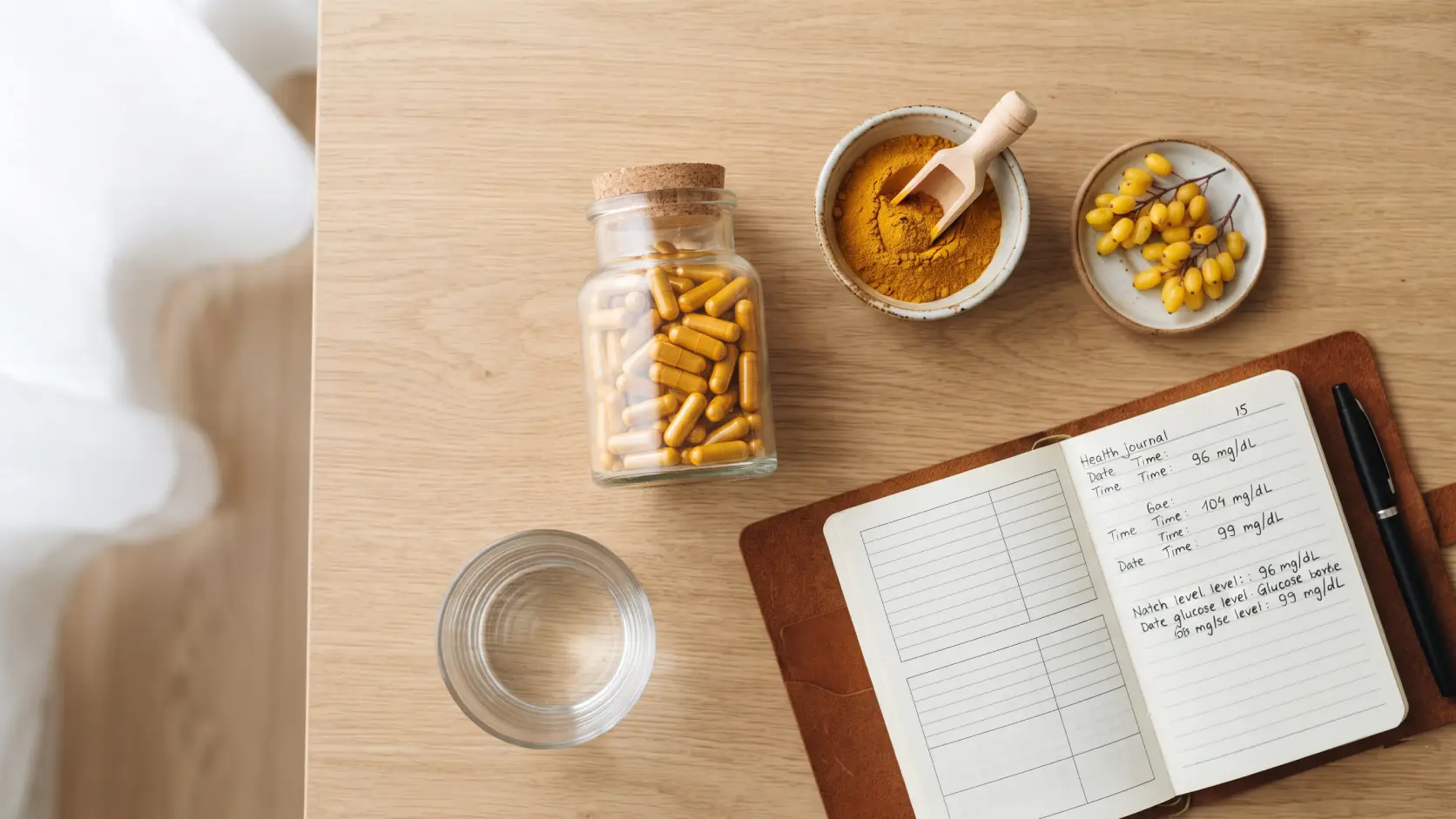
Berberine for Blood Sugar Support: Benefits, Dosage, and Safety
Often dubbed "nature's metabolic switch," Berberine activates AMPK enzymes to pull glucose out of your bloodstream and into cellular mitochondria. Explore human clinical trial data, optimal 500mg thrice-daily dosing protocols, and how to manage GI side effects safely.
Read article
Oral Probiotics for Gum Health: How They Work and What to Look For
Brushing and harsh antibacterial mouthwashes strip away the good bacteria your mouth needs to defend against plaque and gingivitis. Examine how targeted oral probiotics restore your dental microbiome, protect sensitive gums, and eliminate bad breath.
Read article
Lion's Mane Mushroom for Memory & Focus: What Science Shows
Brain fog, mental fatigue, and forgotten tasks often stem from declining Nerve Growth Factor (NGF). Explore how bioactive compounds in Lion’s Mane mushroom stimulate neuronal growth, sharp focus, and fit into modern brain health routines.
Read articleCompare Alternatives
Similar ingredients surfaced automatically from matching wellness categories and ingredient language.
5-HTP
5-Hydroxytryptophan
5-HTP is a dietary supplement ingredient commonly researched for its role as a serotonin precursor. Suppriva reviews it through an educational lens, including how it may fit into sleep, mood, and relaxation-focused wellness routines.
Read MoreAshwagandha (KSM-66)
Withania somnifera
Ashwagandha is an adaptogenic root extract used in stress, relaxation, sleep, and performance-support supplement education.
Read MoreCalifornia Poppy Seed
Eschscholzia californica
California Poppy Seed refers to a calming botanical ingredient associated with relaxation, sleep-support blends, and nervous-system wellness formulas.
Read MoreMagnesium Glycinate
Magnesium bisglycinate chelate
Magnesium Glycinate is a chelated magnesium form paired with glycine and commonly used in gentle mineral, relaxation, and evening wellness formulas.
Read MoreExplore By Health Needs
Browse live wellness categories connected to broader supplement goals.