Melatonin
N-acetyl-5-methoxytryptamine
Melatonin is a hormone-like sleep timing compound used in supplements to support occasional sleep schedule adjustment and bedtime routines.
Melatonin Overview
A practical look at melatonin for sleep timing and bedtime routine support.
Melatonin is a compound produced naturally by the body, primarily in response to darkness, that helps signal sleep timing. In supplements, melatonin is commonly used for occasional sleep schedule support, jet lag routines, shift changes, and bedtime consistency. It is not a general cure for insomnia, anxiety, fatigue, or poor sleep quality. Instead, it is best understood as a timing signal that may help some people align their sleep window when used with good sleep habits.
Melatonin products vary widely. Some provide very small amounts, while others use several milligrams per serving. Labels may also differ by release type. Immediate-release melatonin is generally positioned for sleep onset timing, while extended-release products are marketed around staying asleep. Gummies, liquids, dissolvable tablets, and capsules can all feel different because of dose, absorption timing, sugar content, and added ingredients such as L-theanine, magnesium, chamomile, or GABA.
The most responsible way to evaluate melatonin is to consider why it is being used. If the issue is late-night screen exposure, irregular sleep timing, caffeine use, stress, pain, sleep apnea, restless legs, or medication effects, melatonin may not address the root cause. Persistent sleep problems should be discussed with a qualified healthcare professional, especially when daytime sleepiness, breathing changes, mood symptoms, or long-term sleep medication use are involved.
Safety matters because melatonin can cause next-day drowsiness, vivid dreams, headache, dizziness, or changes in alertness. It may also interact with sedatives, alcohol, blood thinners, seizure medications, immune-related medications, diabetes medications, and blood pressure drugs. Children, pregnant or nursing users, older adults, and people with medical conditions should use professional guidance rather than treating melatonin as a harmless candy.
For Suppriva readers, melatonin should be evaluated by matching the form to the goal, checking whether the label explains the dose clearly, and reviewing the full formula instead of judging one ingredient in isolation. A 0.3 mg product, a 1 mg tablet, and a 10 mg gummy are not equivalent simply because each says melatonin on the front label. Timing also matters; taking it too late or at an unnecessarily high dose can work against the intended routine.
Melatonin can be useful for occasional sleep timing support when combined with consistent bedtime habits, morning light exposure, reduced evening light, and a calm sleep environment. It should complement, not replace, medical evaluation for chronic insomnia or sleep disorders.
A useful way to research Melatonin is to compare the ingredient form, serving size, supporting ingredients, and safety language together. Many supplement labels use similar front-of-bottle claims while relying on very different formulas behind the scenes. Suppriva's ingredient library is designed to help readers slow down, read the facts panel, and understand whether melatonin is being used as a primary ingredient, a supporting ingredient, or part of a broader blend.
People also respond differently to the same ingredient because of age, diet, medications, health conditions, dose, consistency, and product quality. For that reason, Melatonin should be viewed as an educational wellness ingredient rather than a guaranteed result. Anyone managing a medical condition, taking prescription medication, preparing for surgery, pregnant, nursing, or buying for a child should speak with a qualified healthcare professional before starting a new supplement.
For shoppers, the strongest labels explain what form is used, why the dose was chosen, and how the ingredient fits the complete formula. This makes it easier to compare products without relying only on marketing language.
How Melatonin Works
Melatonin helps signal sleep timing rather than acting like a traditional sedative.
Sleep schedule signal
Melatonin is best understood as a circadian timing signal that may support occasional schedule adjustment when used carefully.
Melatonin works by signaling to the body's circadian rhythm that it is time to prepare for sleep. It does not force sleep in the same way a sedative medication might, and its effect depends heavily on timing, dose, light exposure, and individual biology.
Immediate-release products are typically designed to raise melatonin levels more quickly, while extended-release products attempt to maintain levels for longer. The right format depends on the reason for use and should be guided by label directions or professional advice.
Because melatonin influences sleep-wake timing, it should be used thoughtfully. More is not always better, and high doses can increase side effects without improving results for every person.
Sleep Timing Note
Melatonin is naturally produced by the body in response to darkness, which is why light exposure and screen habits can influence bedtime routines.
Potential Melatonin Benefits
Benefits depend on dose, form, product quality, and overall wellness routine.
Sleep Timing Support
Melatonin is commonly used to support occasional sleep schedule adjustment and bedtime timing routines.
Travel Routine Fit
It is often used around jet lag or time zone changes when timing is planned carefully.
Routine Consistency
Melatonin may fit routines that also include consistent sleep and wake times.
Light-Aware Sleep Habits
Its role highlights the importance of darkness, light exposure, and screen management.
Short-Term Use Awareness
Melatonin is usually best approached as occasional support rather than a casual nightly habit for everyone.
Label Comparison Value
Melatonin helps shoppers compare dose, release type, timing instructions, and added calming ingredients.
Melatonin Uses
Common wellness contexts where melatonin appears.
Melatonin is commonly used in occasional sleep timing support, travel routines, and bedtime schedule consistency. Product positioning should remain educational and should not imply disease treatment.
Supplement Formulas
Occasional sleep timing support, travel routines, and bedtime schedule consistency
Label Research
Useful for comparing form, dose, and safety notes.
Wellness Education
Best understood as one part of a broader routine.
Melatonin Sources
Where this ingredient naturally comes from or how it is typically sourced.
Melatonin is typically sourced from synthesized supplement ingredient modeled after endogenous melatonin. Supplement formats can differ from food, clinical, or traditional preparations, so label form and intended use matter.
Primary Source
N-acetyl-5-methoxytryptamine
Common Form
Tablet, capsule, gummy, liquid, dissolvable tablet
Label Check
Review serving size, source, form, safety directions, and combination ingredients.
Typical Melatonin Dosage
Serving size depends on the product form and label directions.
Melatonin serving sizes vary widely, commonly from less than 1 mg to several milligrams. Some people use low doses, while others use higher label-directed servings. The best approach is to follow the product label and use the lowest effective amount when appropriate.
Timing is important. Many products are taken 30 to 60 minutes before bedtime, but travel or circadian schedule use may require different timing. Avoid driving or operating machinery after use if drowsy.
Melatonin Safety Information
Use label directions carefully and consider personal sensitivity, medication use, and health status.
Side Effects
- Some users may feel groggy, slowed, or less alert the next morning.
- Melatonin can contribute to vivid dreams or unusual sleep experiences in some people.
- Headache, dizziness, nausea, or general discomfort may occur.
- Some users may notice irritability, low mood, or changes in daytime alertness.
Drug Interactions
- Use caution with sedatives, sleep medications, alcohol, and other calming supplements.
- Discuss use with a clinician if taking blood thinners, seizure medications, immune-related medications, diabetes medications, or blood pressure medications.
- Review use before surgery or if using medications that affect alertness.
- Ask a healthcare professional before giving melatonin to children or adolescents.
Who Should Avoid
- Pregnant or nursing users unless advised by a qualified healthcare professional.
- Children unless directed by a pediatric clinician.
- People with seizure disorders, autoimmune conditions, or complex medication use without guidance.
- People who need to drive or operate machinery soon after use.
- Anyone with chronic insomnia or suspected sleep apnea who has not been evaluated.
Melatonin Research Notes
A responsible summary of the research context.
Research on melatonin varies by preparation, dose, and study design. Human evidence may be limited for some uses, so supplement labels should be interpreted carefully and without disease-treatment assumptions.
Evidence Context
Research quality depends on form, dose, and population studied.
Practical Use
Use supplements as supportive tools, not replacements for care.
Melatonin References
Trusted educational references used for responsible content framing.
NIH and PubMed
General safety and research context for dietary supplement education.
Clinical Herb and Supplement References
Used to frame interactions, cautions, and label-awareness guidance.
Melatonin FAQs
Common questions about melatonin supplements and label comparison.
Melatonin is commonly used for occasional sleep timing support, jet lag routines, and bedtime schedule consistency.
No. It is better understood as a sleep timing signal rather than a traditional sedative medication.
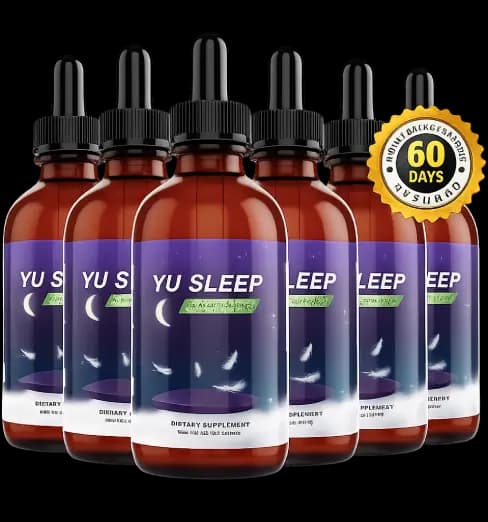
Found In Products
Published Suppriva products connected through the existing ingredient relationship table.
Related Blogs
Editorial resources automatically matched by ingredient, category, and wellness topic language.

Berberine for Blood Sugar Support: Benefits, Dosage, and Safety
Often dubbed "nature's metabolic switch," Berberine activates AMPK enzymes to pull glucose out of your bloodstream and into cellular mitochondria. Explore human clinical trial data, optimal 500mg thrice-daily dosing protocols, and how to manage GI side effects safely.
Read article
Oral Probiotics for Gum Health: How They Work and What to Look For
Brushing and harsh antibacterial mouthwashes strip away the good bacteria your mouth needs to defend against plaque and gingivitis. Examine how targeted oral probiotics restore your dental microbiome, protect sensitive gums, and eliminate bad breath.
Read article
Lion's Mane Mushroom for Memory & Focus: What Science Shows
Brain fog, mental fatigue, and forgotten tasks often stem from declining Nerve Growth Factor (NGF). Explore how bioactive compounds in Lion’s Mane mushroom stimulate neuronal growth, sharp focus, and fit into modern brain health routines.
Read articleCompare Alternatives
Similar ingredients surfaced automatically from matching wellness categories and ingredient language.
5-HTP
5-Hydroxytryptophan
5-HTP is a dietary supplement ingredient commonly researched for its role as a serotonin precursor. Suppriva reviews it through an educational lens, including how it may fit into sleep, mood, and relaxation-focused wellness routines.
Read MoreAshwagandha (KSM-66)
Withania somnifera
Ashwagandha is an adaptogenic root extract used in stress, relaxation, sleep, and performance-support supplement education.
Read MoreCalifornia Poppy Seed
Eschscholzia californica
California Poppy Seed refers to a calming botanical ingredient associated with relaxation, sleep-support blends, and nervous-system wellness formulas.
Read MoreMagnesium Glycinate
Magnesium bisglycinate chelate
Magnesium Glycinate is a chelated magnesium form paired with glycine and commonly used in gentle mineral, relaxation, and evening wellness formulas.
Read MoreExplore By Health Needs
Browse live wellness categories connected to broader supplement goals.