Ashwagandha (KSM-66)
Withania somnifera
Ashwagandha is an adaptogenic root extract used in stress, relaxation, sleep, and performance-support supplement education.
What Is Ashwagandha?
A practical guide to ashwagandha root extract, KSM-66 positioning, and how to compare labels responsibly.
Ashwagandha is a botanical ingredient from the root of Withania somnifera, a shrub used in traditional wellness systems and now widely seen in modern stress-support and sleep-support supplements. KSM-66 is one branded full-spectrum root extract, but shoppers may also see Sensoril, Shoden, generic root powders, and other standardized extracts. The important point is that ashwagandha products are not all identical. Root-only extracts, root-and-leaf extracts, withanolide percentages, serving size, and clinical-study positioning can vary substantially from one label to another.
In wellness education, ashwagandha is most often discussed as an adaptogen. This means it is commonly positioned for helping the body maintain a balanced stress response, though that does not mean it treats anxiety, insomnia, hormone disorders, or any medical condition. Some people use ashwagandha in evening routines, while others prefer it earlier in the day. Responses can differ because extract type, dose, sleep habits, medication use, stress level, and personal tolerance all matter.
KSM-66 is frequently marketed as a root-only extract standardized for withanolides and used in formulas for stress resilience, relaxation, workout recovery, and general performance support. The branded nature of the extract can make labels easier to compare, but it still does not guarantee that a product is appropriate for every person. A quality ashwagandha label should clearly state the extract name or plant part, serving size, standardization, suggested timing, and safety cautions.
Safety context is especially important. Ashwagandha may cause drowsiness, digestive upset, headache, or changes in how some people feel emotionally. It is generally not recommended during pregnancy, and people with thyroid conditions, autoimmune conditions, liver concerns, or those using sedatives, thyroid medication, immune-modulating drugs, or other prescriptions should seek professional guidance before use. Rare liver-related reports have also made careful label review and conservative use important.
Suppriva reviews ashwagandha as an educational ingredient rather than a promise-based solution. The best use of this ingredient profile is to help readers understand what ashwagandha is, how KSM-66 differs from other forms, what safety questions to ask, and how to compare supplement claims before buying. It should be considered one part of a broader wellness routine that includes sleep, nutrition, stress management, and professional medical care when needed.
For shoppers, the most practical question is not whether ashwagandha is popular, but whether the specific product is transparent. A useful label should explain whether the ingredient is KSM-66, another branded extract, or a generic extract. It should also state the plant part, the serving amount, the withanolide standardization when available, and whether the formula includes other calming or performance-focused ingredients. Without those details, it becomes harder to compare products fairly or understand why two ashwagandha supplements may feel different.
It is also important to separate wellness support from medical claims. Ashwagandha may be discussed in relation to stress resilience, sleep quality, and exercise recovery, but it should not be used to self-treat anxiety disorders, insomnia, thyroid disease, hormone concerns, depression, or any diagnosed condition. Readers should use this profile to prepare better questions, compare labels with more confidence, and decide when professional advice is needed before adding ashwagandha to a routine.
How Ashwagandha Works
Ashwagandha is discussed for stress-response pathways, relaxation routines, and recovery-support formulas.
Stress-Response Support Context
Ashwagandha is commonly evaluated by extract type, plant part, withanolide standardization, dose, and medication cautions.
Ashwagandha is studied for its relationship to stress-response systems, including pathways connected to perceived stress, cortisol-related markers, sleep quality, and recovery. It does not work like a sedative or stimulant, and it should not be treated as a fast medical fix. Instead, it is usually positioned as a consistency-based botanical that may support relaxation and resilience when paired with healthy routines.
Different extracts may emphasize different outcomes. KSM-66 is generally positioned as a root extract, while other branded ingredients may use different plant parts or extraction methods. When comparing products, look for standardization, serving size, clinical context, and whether the formula adds sleep, mood, testosterone, or performance-support ingredients. Those combinations can change both expectations and safety considerations.
Adaptogen Insight
KSM-66 is a branded ashwagandha root extract, but the broader ingredient category includes many extract types with different plant parts, standardizations, and research histories.
Potential Benefits of Ashwagandha (KSM-66)
Educational benefits commonly discussed for Ashwagandha (KSM-66) in supplement routines.
Adaptogen Education
Helps readers understand how ashwagandha is positioned in stress and resilience supplement routines.
Relaxation Routine Fit
Commonly included in formulas designed for calm, evening routines, and stress-management support.
Performance Context
KSM-66 and similar extracts are often compared in active-lifestyle and recovery-support products.
Label Transparency
Encourages comparison of extract brand, plant part, standardization, serving size, and cautions.
Stress-Response Research
Frequently discussed in relation to perceived stress, mood-support education, and daily resilience.
Routine Consistency
Best evaluated as part of a consistent wellness routine rather than a one-time quick fix.
Typical Dosage
Serving amounts vary by product form, standardization, and individual health context.
Ashwagandha dosage depends on the extract used, the withanolide standardization, and the purpose of the formula. Many KSM-66-style products provide 300 mg to 600 mg per day, while powders and other extracts may use different serving amounts. Always follow the product label instead of assuming one ashwagandha dose applies to all forms.
Some people take ashwagandha with food to reduce digestive discomfort. Others prefer evening use if the product feels calming. Avoid combining multiple ashwagandha products or stacking it with sedative supplements without professional guidance. Pregnant individuals, people with thyroid or autoimmune conditions, liver concerns, or medication use should consult a qualified healthcare professional before use.
Safety Information
Ashwagandha is not appropriate for everyone, especially during pregnancy, thyroid concerns, autoimmune conditions, liver concerns, or sedative medication use.
Side Effects
- Some people feel sleepy or slowed down, especially when ashwagandha is combined with calming supplements.
- Nausea, stomach upset, or loose stools may occur, particularly with higher amounts.
- People with thyroid conditions or thyroid medication should seek professional guidance before use.
- Ashwagandha is generally avoided during pregnancy unless specifically advised by a clinician.
Drug Interactions
- Sedatives, sleep aids, alcohol, or calming supplements may increase drowsiness.
- Thyroid medications should be reviewed because ashwagandha may not be suitable for all thyroid conditions.
- Immune-modulating medications or autoimmune conditions require professional guidance.
- People with liver concerns or unexplained symptoms should avoid self-directed use until medically reviewed.
Who Should Avoid
- Pregnant individuals unless a qualified clinician specifically advises otherwise.
- People with autoimmune conditions without professional guidance.
- People with thyroid disorders or thyroid medication use without clinician review.
- People with liver disease or prior supplement-related liver concerns.
- Anyone using sedative medication or multiple calming supplements without guidance.
Frequently Asked Questions
Answers to common questions about Ashwagandha (KSM-66), supplement labels, dosage, and safety.
Ashwagandha (KSM-66) is a branded form of Withania somnifera root extract used in stress, relaxation, and performance-support supplement education.
Yes. KSM-66 is a branded root extract with specific standardization and positioning. Other ashwagandha products may use different plant parts or extraction methods.
Found In Products
Published Suppriva products connected through the existing ingredient relationship table.
Related Blogs
Editorial resources automatically matched by ingredient, category, and wellness topic language.
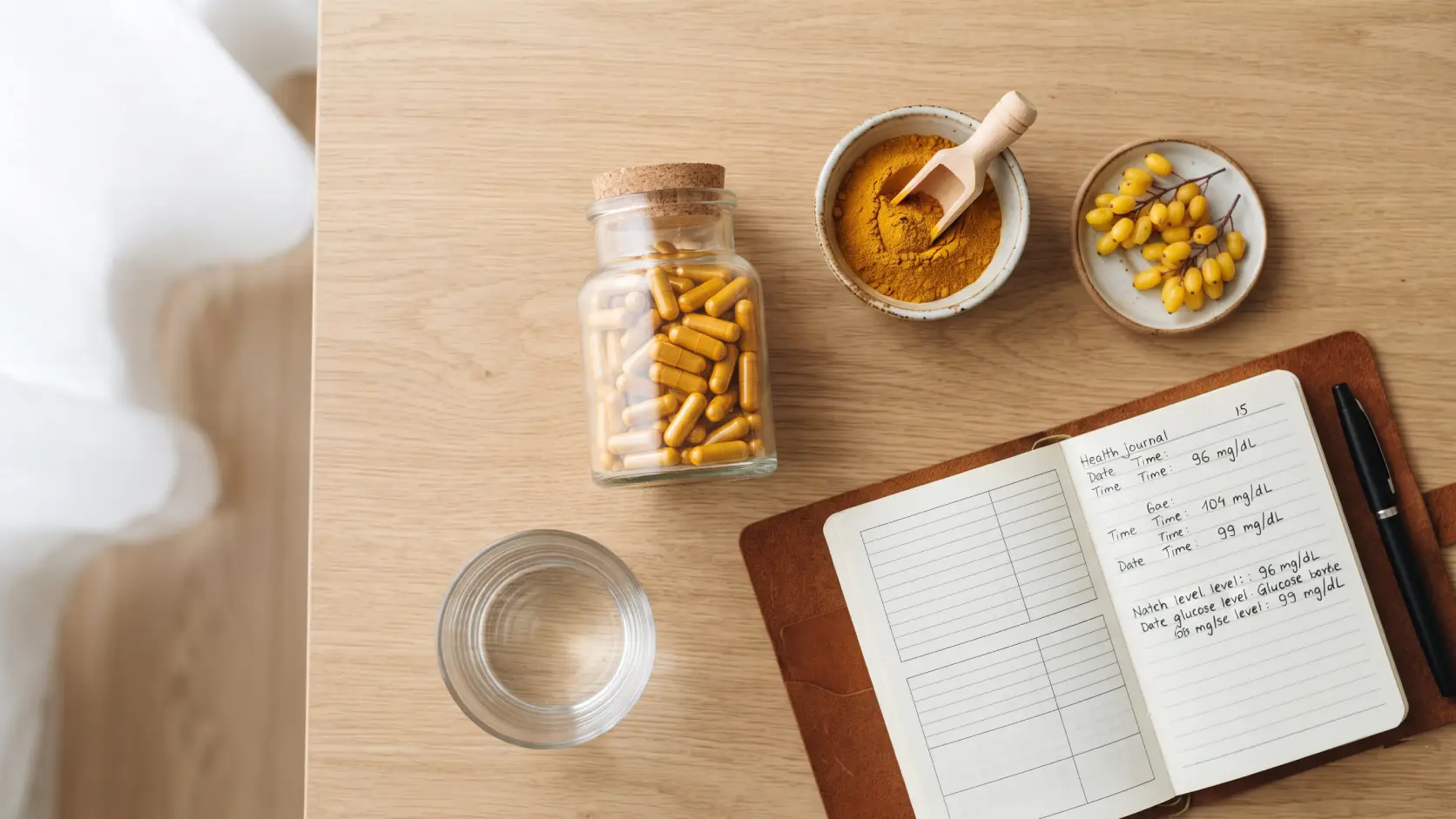
Berberine for Blood Sugar Support: Benefits, Dosage, and Safety
Often dubbed "nature's metabolic switch," Berberine activates AMPK enzymes to pull glucose out of your bloodstream and into cellular mitochondria. Explore human clinical trial data, optimal 500mg thrice-daily dosing protocols, and how to manage GI side effects safely.
Read article
Oral Probiotics for Gum Health: How They Work and What to Look For
Brushing and harsh antibacterial mouthwashes strip away the good bacteria your mouth needs to defend against plaque and gingivitis. Examine how targeted oral probiotics restore your dental microbiome, protect sensitive gums, and eliminate bad breath.
Read article
Lion's Mane Mushroom for Memory & Focus: What Science Shows
Brain fog, mental fatigue, and forgotten tasks often stem from declining Nerve Growth Factor (NGF). Explore how bioactive compounds in Lion’s Mane mushroom stimulate neuronal growth, sharp focus, and fit into modern brain health routines.
Read articleCompare Alternatives
Similar ingredients surfaced automatically from matching wellness categories and ingredient language.
5-HTP
5-Hydroxytryptophan
5-HTP is a dietary supplement ingredient commonly researched for its role as a serotonin precursor. Suppriva reviews it through an educational lens, including how it may fit into sleep, mood, and relaxation-focused wellness routines.
Read MoreCalifornia Poppy Seed
Eschscholzia californica
California Poppy Seed refers to a calming botanical ingredient associated with relaxation, sleep-support blends, and nervous-system wellness formulas.
Read MoreMagnesium Glycinate
Magnesium bisglycinate chelate
Magnesium Glycinate is a chelated magnesium form paired with glycine and commonly used in gentle mineral, relaxation, and evening wellness formulas.
Read MoreMelatonin
N-acetyl-5-methoxytryptamine
Melatonin is a hormone-like sleep timing compound used in supplements to support occasional sleep schedule adjustment and bedtime routines.
Read MoreExplore By Health Needs
Browse live wellness categories connected to broader supplement goals.